A reliable water heater is essential for maintaining comfort and convenience in any home or commercial property. From taking warm showers to washing dishes and cleaning clothes, hot water is part of everyday life. However, choosing the right location for a new water heater is just as important as selecting the equipment itself. Proper placement can improve safety, energy efficiency, accessibility, and the overall performance of the system.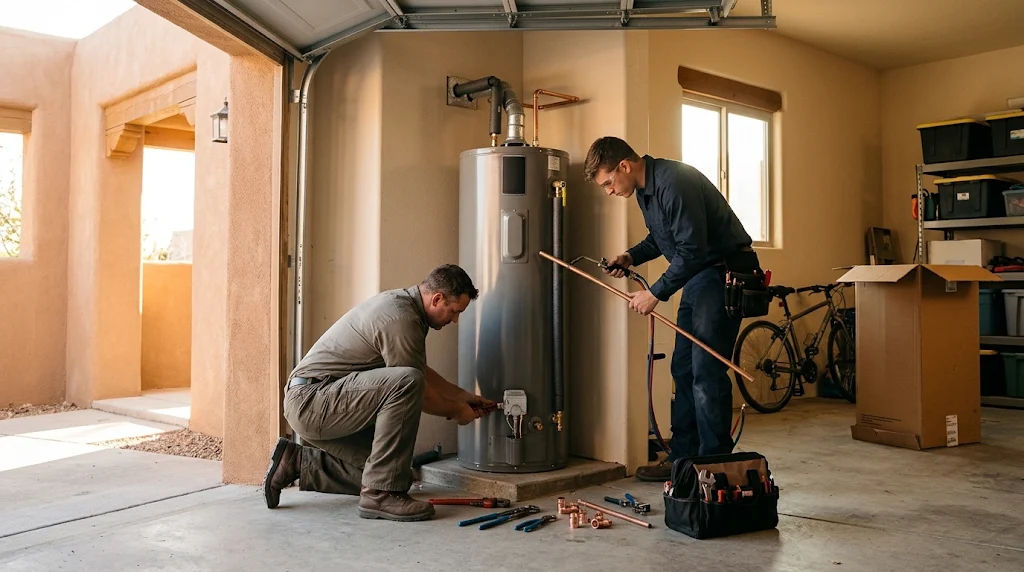
Understanding where Water Heater Installation Albuquerque NM can be done helps homeowners make informed decisions before starting an installation project. Different properties have different layouts, plumbing arrangements, ventilation requirements, and available spaces. A location that works well in one house may not be suitable for another.
Albuquerque properties also experience seasonal temperature changes, dry conditions, and occasional cold weather. These environmental factors make it important to consider insulation, plumbing protection, and equipment placement. Whether someone owns a small house, a large family property, an apartment building, or a commercial facility, selecting the correct installation area can make a significant difference.
This comprehensive guide explains the most suitable locations for water heater installation, important safety considerations, residential and commercial options, and the factors that influence placement decisions.
Importance of Water Heater Placement
Water heater placement affects more than the appearance of a property. It influences how efficiently the system operates and how easily homeowners can maintain it.
A properly selected location should provide sufficient space, appropriate ventilation when required, convenient plumbing connections, and protection from environmental conditions.
Improving Energy Efficiency
The distance between a water heater and frequently used plumbing fixtures can influence energy consumption.
When a water heater is installed close to bathrooms, kitchens, and laundry areas, hot water generally reaches these fixtures more quickly. This can reduce the amount of water wasted while waiting for the desired temperature.
However, the shortest possible distance is not the only consideration. The location must also satisfy manufacturer requirements, building codes, and safety standards.
Making Maintenance Easier
Water heaters require periodic inspection and maintenance. Some models also need flushing, component replacement, or professional servicing.
An accessible installation location allows technicians to inspect connections, identify leaks, and complete maintenance without unnecessary difficulty.
Homeowners should avoid placing equipment behind permanent walls or in extremely crowded spaces where servicing becomes complicated.
Supporting Household Safety
Water heaters combine water, electricity or fuel, and heat. Incorrect placement can create unnecessary risks.
For example, a gas-powered unit requires appropriate combustion air and exhaust arrangements. An electric model requires suitable electrical connections and protection against water exposure.
Professional installation helps ensure that the selected location supports safe operation.
Common Locations for Water Heater Installation in Albuquerque Homes
Several areas of a residential property can accommodate a water heater. The most appropriate choice depends on the type of equipment, available space, existing plumbing, and local requirements.
Garage Installation
Water Heater Installation Albuquerque NM the common locations for traditional storage water heaters.
They often provide enough space for larger equipment while keeping it away from the main living areas. A garage installation can also make maintenance more convenient because technicians have relatively easy access to the equipment.
However, homeowners should consider several factors.
-
The unit should be protected against accidental vehicle impacts.
-
Combustion and ventilation requirements must be satisfied.
-
Plumbing should receive appropriate insulation where necessary.
-
The installation should follow applicable clearance requirements.
-
Any required drainage or protective measures should be provided.
In Albuquerque, garages can experience significant temperature changes. Proper protection of exposed pipes is therefore important.
Utility Room Installation
A dedicated utility room is another practical installation location.
These rooms are generally designed to accommodate household equipment such as heating systems, electrical panels, and plumbing components.
A utility room can provide several advantages:
-
Equipment remains separate from everyday living spaces.
-
Maintenance access can be organized.
-
Plumbing connections may already be available.
-
Noise from certain equipment stays away from bedrooms.
-
Additional protective measures can be incorporated into the room.
Before installation, professionals should confirm that the room has adequate dimensions and meets the equipment manufacturer's requirements.
Basement Installation
Some Albuquerque properties have basements that can accommodate water heating equipment.
A basement installation may be convenient because plumbing connections can often be arranged near the main water supply and distribution lines.
However, basements require careful consideration of moisture, drainage, accessibility, and ventilation.
If a leak occurs, water can accumulate and damage stored belongings or building materials. A suitable drain pan, drainage arrangement, or leak detection system may be appropriate depending on the installation.
Professionals should also assess whether the basement provides enough clearance for equipment replacement and future servicing.
Laundry Room Installation
Laundry rooms can provide convenient locations for certain water heater models.
These spaces are often close to plumbing connections, making them practical for installations that serve nearby bathrooms and kitchens.
However, the available space should be evaluated carefully. Washing machines, dryers, cabinets, and storage shelves must not obstruct equipment access.
The water heater should also be positioned according to manufacturer clearance requirements.
A professional can determine whether the room has appropriate ventilation, drainage, and electrical or fuel connections.
Indoor Closet Installation
Some modern water heaters, particularly compact tankless models, may be installed in approved indoor closets.
This option can be useful in homes where garage or utility room space is limited.
However, not every closet is suitable.
A closet installation must satisfy the specific equipment requirements for combustion air, exhaust venting, service access, and clearances. Gas appliances cannot simply be placed inside an enclosed storage area without evaluating ventilation and applicable safety rules.
Homeowners should never block required openings or use an installation closet for general storage if doing so interferes with safe operation.
Outdoor Water Heater Installation Options
Certain water heaters are specifically designed for outdoor installation. These systems can be useful when indoor space is limited.
Exterior Wall Installation
Outdoor-rated tankless water heaters are sometimes installed on exterior walls.
This arrangement can save indoor space and provide convenient access for servicing.
However, homeowners must select equipment designed and approved for outdoor conditions.
Albuquerque's climate requires consideration of temperature fluctuations, sun exposure, wind, and occasional freezing conditions.
An outdoor unit should have the protection required by its manufacturer. Plumbing connections may also need appropriate freeze protection.
Dedicated Outdoor Enclosures
Some installations require specially designed enclosures to protect equipment from environmental exposure.
An enclosure should not interfere with the appliance's ventilation or combustion requirements.
It must also allow technicians to access the equipment for inspections and repairs.
Using an ordinary storage cabinet or building an enclosure without checking manufacturer instructions can create safety and performance problems.
Considerations for Outdoor Placement
Before choosing an outdoor location, homeowners should evaluate:
-
Distance from windows and doors.
-
Manufacturer-approved exhaust locations.
-
Protection against freezing temperatures.
-
Exposure to direct sunlight.
-
Access for maintenance.
-
Local building and installation requirements.
Outdoor installation is not appropriate for every water heater. Equipment specifications should always guide the decision.
Where Can Commercial Water Heater Installation Be Done?
Commercial buildings often require larger hot water systems because they serve multiple bathrooms, kitchens, employees, customers, or residents.
The installation location must support higher demand while maintaining accessibility and safety.
Restaurants and Commercial Kitchens
Restaurants depend on consistent hot water for cleaning, sanitation, food preparation, and daily operations.
Commercial water heaters are commonly placed in dedicated mechanical rooms or approved service areas.
These locations should provide adequate space for equipment, plumbing connections, drainage, and maintenance.
Restaurants may also need systems capable of handling periods of high demand, particularly during busy operating hours.
Hotels and Hospitality Properties
Hotels have substantial hot water requirements because multiple guests may use showers and sinks simultaneously.
Large storage systems, commercial tankless units, or combined arrangements may be considered depending on building design.
Mechanical rooms are frequently suitable because they provide centralized access to plumbing and equipment.
However, the system must be designed according to occupancy, peak demand, and the building's distribution network.
Office Buildings
Office properties generally require hot water for restrooms, kitchens, and cleaning facilities.
Smaller buildings may use a compact water heater in a dedicated utility area.
Larger properties may require multiple units or centralized equipment.
The best arrangement depends on the number of fixtures, distance between service areas, and expected daily consumption.
Apartment Complexes
Apartment buildings can use individual water heaters for each unit or a centralized system serving multiple residences.
Individual installations allow residents to have separate equipment, while centralized arrangements can simplify certain maintenance activities.
Both options require careful planning.
Building managers should consider energy efficiency, service accessibility, plumbing distribution, and the effect of equipment failure on residents.
Choosing the Right Water Heater for Your Installation Location
The installation area and equipment type should be considered together.
A water heater that works well in a spacious garage may not be appropriate for a small indoor closet.
Traditional Storage Tank Water Heaters
Storage tank water heaters keep a supply of heated water available for household use.
They are available in different capacities and can operate using electricity or gas.
These systems generally require sufficient floor space and appropriate plumbing connections.
A garage, basement, or utility room may be suitable when the area meets the manufacturer's installation requirements.
Tankless Water Heaters
Tankless water heaters heat water as it passes through the system instead of storing a large quantity in a tank.
Their compact design allows more flexible placement in certain properties.
They may be installed in approved utility rooms, exterior walls, or other locations permitted by the manufacturer.
Nevertheless, tankless systems have specific requirements involving electrical capacity, gas supply, exhaust venting, and water flow.
Heat Pump Water Heaters
Heat pump water heaters use heat from surrounding air to heat water.
They can provide energy-efficient operation under suitable conditions.
However, they need sufficient surrounding air volume and clearance. Their operation may also affect the temperature of the installation area.
A garage or adequately sized mechanical room may be appropriate, depending on the model.
Homeowners should also consider condensate drainage and manufacturer temperature requirements.
Important Factors to Consider Before Installation
Selecting a location involves more than finding an empty corner. Several technical and practical factors should be evaluated before work begins.
Plumbing Accessibility
The installation area should allow convenient connections to the cold-water supply and hot-water distribution system.
If the new water heater is far from existing plumbing, additional pipework may be necessary.
This can increase installation costs and make the project more complicated.
A professional plumber can inspect the property's existing plumbing arrangement and identify practical options.
Ventilation Requirements
Ventilation is particularly important for gas-powered water heaters.
These appliances need appropriate combustion air and safe exhaust arrangements.
The requirements differ between conventional atmospheric-vented, power-vented, direct-vent, and other approved systems.
Homeowners should never assume that an existing opening or chimney is automatically suitable for a new appliance.
Electrical Connections
Electric water heaters require electrical connections that match their specifications.
Tankless electric models may have substantial electrical demands, sometimes requiring dedicated circuits or electrical panel upgrades.
Before installation, an electrician or qualified professional should evaluate the available electrical capacity.
Drainage and Leak Protection
Water heater leaks can damage flooring, walls, and nearby belongings.
The installation area should be evaluated for suitable drainage and leak protection.
A drain pan may be required or recommended in certain situations.
Its discharge arrangement should comply with applicable requirements rather than simply releasing water into an unsuitable area.
Available Space
Every water heater has specific clearance and service-access requirements.
A location should provide sufficient room for installation, inspection, repairs, and eventual replacement.
Homeowners should also consider the dimensions of doors, hallways, and access routes. A water heater that fits inside a room may still be difficult to bring into the building.
Albuquerque Climate and Water Heater Placement
Local environmental conditions can influence installation decisions.
Albuquerque experiences warm periods, cooler winters, and occasional freezing temperatures. These conditions make equipment protection and pipe insulation important considerations.
Protecting Pipes During Cold Weather
Exposed water pipes can be vulnerable during freezing conditions.
This is particularly important when equipment is installed in garages, outdoor areas, or other unheated spaces.
Suitable insulation can help protect vulnerable plumbing.
Depending on the installation, additional freeze-protection measures may also be necessary.
Managing Heat Exposure
Outdoor equipment can experience substantial sun exposure.
The selected location should follow manufacturer recommendations for temperature limits and environmental protection.
Installing equipment in an unsuitable area can affect performance and equipment longevity.
Considering Local Water Conditions
Mineral content and water quality can influence maintenance needs.
Some water heaters may develop mineral deposits over time, affecting heating performance.
A qualified technician can evaluate the water conditions and recommend appropriate maintenance or treatment options.
Permits, Building Codes, and Professional Installation
Water heater installation is a technical project involving plumbing, electrical systems, and sometimes gas connections.
For this reason, homeowners should understand applicable local requirements before beginning work.
Checking Local Permit Requirements
Certain water heater replacements and new installations may require permits or inspections.
Requirements can depend on the project scope, equipment type, and property characteristics.
Homeowners should confirm current requirements with the relevant City of Albuquerque or Bernalillo County building authority.
Following Manufacturer Instructions
Every water heater comes with installation instructions specifying acceptable locations, clearances, connections, and operating conditions.
These instructions are important for both safety and warranty protection.
A qualified installer should review them before deciding where equipment can be placed.
Hiring Qualified Professionals
Professional installation helps ensure that the system is connected and configured correctly.
When selecting a contractor, homeowners should consider:
-
Relevant plumbing or mechanical licensing.
-
Experience with the selected water heater type.
-
Familiarity with local building requirements.
-
Written estimates and project details.
-
Warranty information.
-
Maintenance and service availability.
A professional should also explain why a particular location is suitable and identify any necessary improvements before installation.
How Much Does Water Heater Installation Cost in Albuquerque?
Installation costs vary according to the water heater type, location, labor requirements, and condition of existing connections.
A straightforward replacement may cost less than a project requiring substantial plumbing or electrical modifications.
Equipment Costs
Different water heaters have different purchase prices.
Traditional tank models, tankless systems, and heat pump units vary in capacity, technology, and efficiency.
The right choice should reflect household demand rather than price alone.
Labor and Installation Costs
Labor expenses depend on how complicated the installation is.
For example, replacing an existing tank in the same location may involve fewer modifications than moving equipment to a different room.
Additional work may include:
-
New plumbing connections.
-
Electrical upgrades.
-
Gas line modifications.
-
Venting improvements.
-
Drainage arrangements.
-
Removal and disposal of old equipment.
Location-Related Expenses
Some installation areas require additional preparation.
A basement might need drainage improvements, while an outdoor installation may require specialized equipment and weather protection.
Homeowners should request an itemized estimate to understand what is included in the quoted price.
Common Mistakes to Avoid When Choosing an Installation Location
Even a high-quality water heater can experience problems if installed in an unsuitable location.
Understanding common mistakes can help homeowners avoid unnecessary expenses.
Ignoring Manufacturer Clearance Requirements
Placing a water heater too close to walls, storage items, or other equipment can interfere with safe operation and maintenance.
Always follow the manufacturer's clearance instructions.
Choosing an Inaccessible Area
Hidden or crowded installation spaces can make routine servicing difficult.
A suitable location should provide convenient access to important components.
Overlooking Ventilation
Gas water heaters need appropriate combustion air and exhaust arrangements.
Incorrect ventilation can create serious safety concerns.
Forgetting About Future Replacement
Homeowners should think beyond the initial installation.
The selected location should allow the existing unit to be removed and a replacement brought into position without major structural changes.
Ignoring Freeze Protection
Plumbing in unheated spaces may require insulation or other protective measures.
Ignoring cold-weather conditions can result in damaged pipes and expensive repairs.
Preparing Your Property for Water Heater Installation
Good preparation can make the installation process more organized.
Start by clearing the area where the equipment will be installed. Remove unnecessary storage items, furniture, and objects that could obstruct technicians.
Next, identify the existing water, electrical, and gas connections.
If the new unit will be installed in a different location, ask the contractor to evaluate the additional work before scheduling the project.
It is also helpful to discuss the following matters:
-
The expected installation timeline.
-
Whether the existing unit will be removed.
-
Required permits and inspections.
-
Potential plumbing modifications.
-
Equipment warranty coverage.
-
Recommended maintenance.
-
Any temporary interruption to hot water.
Clear communication helps prevent misunderstandings and makes it easier to prepare the property.
Conclusion
Choosing the correct location for a water heater is an important part of creating a safe, efficient, and reliable hot water system. Albuquerque homeowners have several potential options, including garages, utility rooms, basements, laundry rooms, approved indoor closets, and suitable outdoor areas.
The best location depends on the water heater's design, household hot water requirements, available space, plumbing connections, ventilation, drainage, and environmental conditions.
Traditional storage tank systems often work well in garages, basements, and dedicated utility rooms. Tankless models can provide more flexible placement options, while heat pump water heaters need sufficient surrounding air and appropriate drainage.
Commercial properties require additional planning because their hot water demands can be significantly higher. Restaurants, hotels, office buildings, and apartment complexes must consider equipment capacity, distribution systems, and convenient maintenance access.
Homeowners should also pay attention to Albuquerque's seasonal weather conditions. Protecting exposed pipes, following manufacturer instructions, and selecting appropriate equipment can help reduce future problems.
Most importantly, professional assessment should take place before choosing an installation area. Qualified installers can evaluate plumbing, electrical connections, ventilation, local code requirements, and safety considerations.
Ultimately, successful Water Heater Installation Albuquerque NM depends on selecting a location that supports the equipment throughout its useful life. Careful planning, appropriate equipment selection, and professional workmanship can help property owners enjoy dependable hot water, easier maintenance, and better long-term performance.
About the Author