In recent years, Pakistani fashion has experienced a remarkable transformation, effortlessly blending traditional Eastern aesthetics with Western influences. From the vibrant streets of Karachi to the glamorous runways of Lahore, designers are increasingly experimenting with innovative styles that resonate with both global trends and local culture.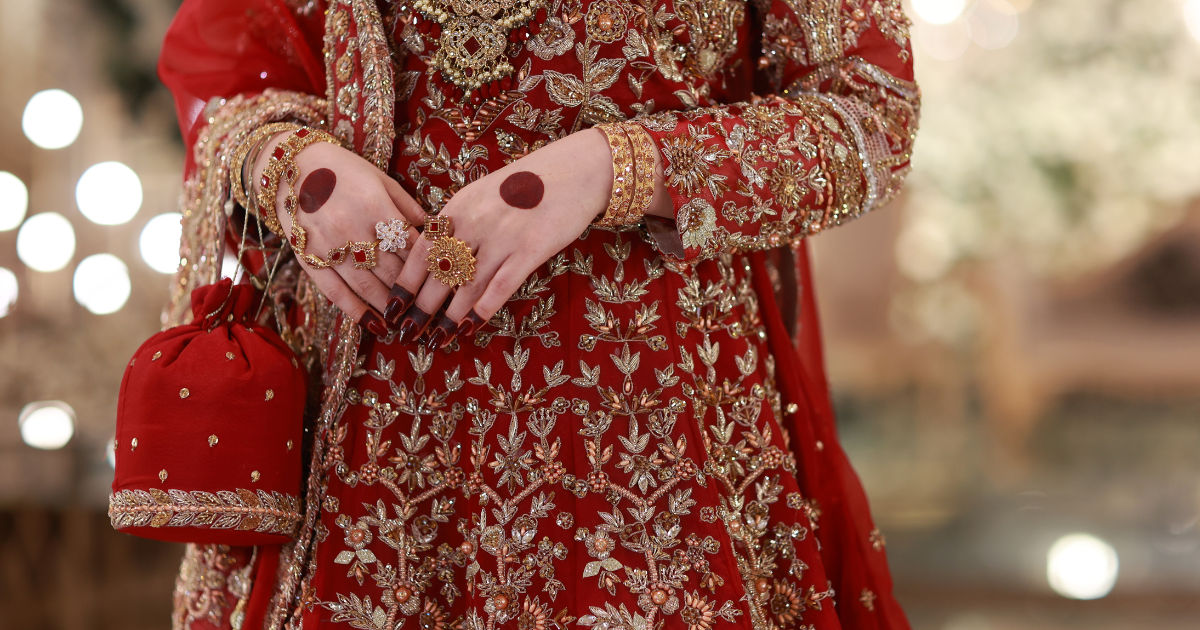
One of the names gaining prominence in this fusion fashion movement is Nani je, whose designs showcase how Pakistani fashion can honor its heritage while embracing modernity.
Through this article, we will explore how modern Pakistani fashion merges Eastern and Western elements, its impact on society, the role of designers like Nani je, and why this blend is shaping the future of fashion in Pakistan.
The Roots of Pakistani Fashion
Traditional Eastern Fashion
Pakistani fashion has always been deeply rooted in Eastern traditions. Classic clothing items such as shalwar kameez, lehengas, dupattas, and sherwanis are symbols of cultural heritage. Each province in Pakistan has its own unique style:
-
Punjab is known for bright phulkari embroidery on dupattas and kurtas.
-
Sindh brings in ajrak prints, bandhani techniques, and mirror work.
-
Balochistan offers intricate needlework and traditional tunics.
-
Khyber Pakhtunkhwa presents embroidered caps and woolen shawls reflecting tribal artistry.
These garments are often crafted using handwoven fabrics, vibrant colors, and detailed embroidery, making them not only visually appealing but also a testament to centuries-old cultural practices.
Influence of Religion and Tradition
Eastern fashion in Pakistan is also closely tied to religious and cultural values. Modesty in clothing is often emphasized, which is why garments like long tunics, loose pants, and covered sleeves are staples. Even festivals and weddings revolve around specific attire, such as the heavily embroidered bridal lehenga or festive shalwar kameez for Eid. Nani je draws inspiration from these traditions, creating designs that respect cultural values while allowing freedom of expression through modern adaptations.
Western Influence on Pakistani Fashion
Globalization and Media
The influence of Western fashion on Pakistan has grown considerably with globalization, social media, and international exposure. Platforms like Instagram, YouTube, and Pinterest have enabled designers and fashion enthusiasts to access the latest trends from around the world. This exposure has led to a fusion of ideas: traditional fabrics and embroidery styles combined with Western cuts, silhouettes, and styling.
Western Cuts and Styles
Modern Pakistani designers are experimenting with Western-style elements such as:
-
Fitted blazers paired with embroidered trousers
-
Crop tops worn with traditional lehengas
-
Maxi dresses using handloom fabrics
-
Off-shoulder tops combined with shalwar
This combination allows young Pakistanis to enjoy the comfort and aesthetics of both worlds. Nani je, in particular, has been praised for creating pieces that merge these Western silhouettes with classic Eastern fabrics and patterns, achieving a unique, contemporary style.
The Art of Fusion: East Meets West
Fabric and Textile Choices
One key aspect of blending Eastern and Western fashion lies in textile selection. Pakistani designers use traditional fabrics like silk, chiffon, khaddar, and lawn, but cut and style them in a Western manner. For instance, a chiffon dupatta may be tailored into a modern scarf or layered over a structured Western dress. Nani je has successfully experimented with such combinations, making traditional fabrics appeal to urban, fashion-conscious audiences.
Embroidery and Detailing
Embroidery is the heart of Pakistani fashion. Modern fusion styles use hand-stitched details, intricate patterns, and embellishments from Eastern traditions while applying them to Western garments. Sequins, beads, mirror work, and zardozi embroidery now adorn jackets, skirts, and dresses, creating a blend that is both culturally rich and globally stylish.
Color Palettes and Patterns
Eastern fashion is known for bold, vibrant colors like deep red, mustard yellow, royal blue, and emerald green. Western fashion, however, often emphasizes muted tones, pastels, and monochrome shades. Modern Pakistani designers combine these approaches: traditional bright colors with minimalist Western cuts, or muted Western tones with rich Eastern embroidery. Nani je often experiments with such contrasts, creating visually stunning collections that appeal to both local and international audiences.
Fusion in Everyday Wear
Casual and Semi-Formal Wear
The fusion of East and West is not limited to formal occasions; it has permeated everyday wear as well. Young professionals in Pakistan now wear embroidered kurtis with jeans, tunics with leggings, or even crop tops with traditional skirts. This trend shows how versatile Pakistani fashion has become, blending comfort, practicality, and aesthetics.
Party and Evening Wear
Evening and party wear have seen significant evolution. Designers are using traditional Eastern fabrics like organza or velvet to create Western-style gowns, jumpsuits, and cocktail dresses. Sequined shalwar kameez sets with asymmetrical cuts or peplum tops paired with flowing skirts are becoming a norm at weddings and festive events.
Role of Designers in East-West Fashion Fusion
Nani je: A Case Study
Among the contemporary designers making waves in this movement, Nani je stands out for a distinct approach. Her designs honor traditional Pakistani motifs while incorporating Western trends such as:
-
Minimalist silhouettes
-
Layered outfits
-
Western tailoring techniques
-
Innovative use of embroidery and embellishments
Her work exemplifies the perfect marriage of tradition and modernity, appealing to diverse audiences who want cultural authenticity alongside modern elegance.
Other Prominent Designers
Alongside Nani je, designers like Sana Safinaz, HSY, and Maria B have also contributed to blending East and West. They frequently present collections that combine:
-
Traditional bridal embroidery with contemporary cuts
-
Casual fusion wear for urban lifestyles
-
Western accessories like belts, hats, and jackets paired with Eastern garments
This trend is gradually redefining how Pakistani fashion is perceived both locally and globally.
Cultural Significance of Fusion Fashion
Preserving Heritage
While fusion fashion embraces modernity, it also ensures that Pakistani heritage is preserved. Traditional crafts like hand embroidery, block printing, and weaving remain central to modern designs, keeping local artisans employed and promoting cultural identity.
Promoting Global Recognition
Fusion fashion has elevated Pakistan's status in the global fashion industry. Designers like Nani je have showcased their collections internationally, allowing Pakistani clothing to reach broader markets and encouraging cultural exchange. This blending of styles is helping Pakistan compete on an international level, proving that its fashion is versatile and innovative.
Challenges in Fusion Fashion
Balancing Tradition and Modernity
The biggest challenge in blending East and West is striking a balance. Over-Westernization can alienate traditional customers, while sticking too closely to Eastern designs may fail to appeal to younger, globalized audiences. Designers must carefully combine fabrics, colors, and silhouettes to create a harmonious fusion.
Ethical and Sustainability Concerns
Modern fashion consumers are increasingly concerned about sustainability. Fusion fashion often involves using luxurious fabrics and heavy embellishments, which can be resource-intensive. Designers like Nani je are exploring eco-friendly fabrics, upcycling, and ethical production to maintain a balance between fashion innovation and environmental responsibility.
The Impact on Pakistani Youth
Fashion as Self-Expression
Fusion fashion has given Pakistani youth an outlet for self-expression. By blending Eastern and Western elements, they can honor their cultural roots while embracing contemporary global trends. This approach allows for creativity, individuality, and confidence in personal style.
Bridging Generational Gaps
Younger generations often struggle to relate to traditional clothing, while older generations may resist Western influences. Fusion fashion serves as a bridge, making traditional attire appealing to youth while retaining cultural values. Designers like Nani je play a crucial role in creating garments that resonate with multiple age groups.
Future of Pakistani Fusion Fashion
Technological Innovations
Digital technology, 3D printing, and online fashion platforms are shaping the future of Pakistani fashion. Designers are experimenting with virtual fashion shows, AI-assisted design tools, and digital textiles to reach global audiences and enhance creativity.
Expanding Global Presence
As fusion fashion continues to grow, Pakistani designers are likely to participate in more international fashion weeks, collaborations, and online retail ventures. Nani je and other pioneering designers are setting the stage for Pakistani fashion to become a global trendsetter, blending heritage and modernity seamlessly.
Conclusion
Modern Pakistani fashion has successfully carved a niche by blending Eastern tradition with Western innovation. This fusion is evident in casual wear, formal attire, and high fashion, making clothing more versatile, appealing, and globally recognized. Designers like Nani je exemplify this trend by combining traditional fabrics, embroidery, and motifs with contemporary cuts, styles, and global fashion sensibilities.
Fusion fashion not only preserves Pakistan's rich cultural heritage but also encourages creativity, self-expression, and international recognition. The future of Pakistani fashion looks bright, with continued experimentation, technological integration, and a growing global audience ready to embrace the East-West blend. By honoring tradition while innovating boldly, modern Pakistani fashion is proving that style can be both culturally authentic and globally relevant.
About the Author