
Miraj Green Makkah offers a unique lens through which we can understand the dining environment in one of the most visited cities in the world.
When people arrive in Makkah for pilgrimage, tourism, or work, they quickly notice that food culture here is not just about eating—it is about hospitality, diversity, and spiritual comfort.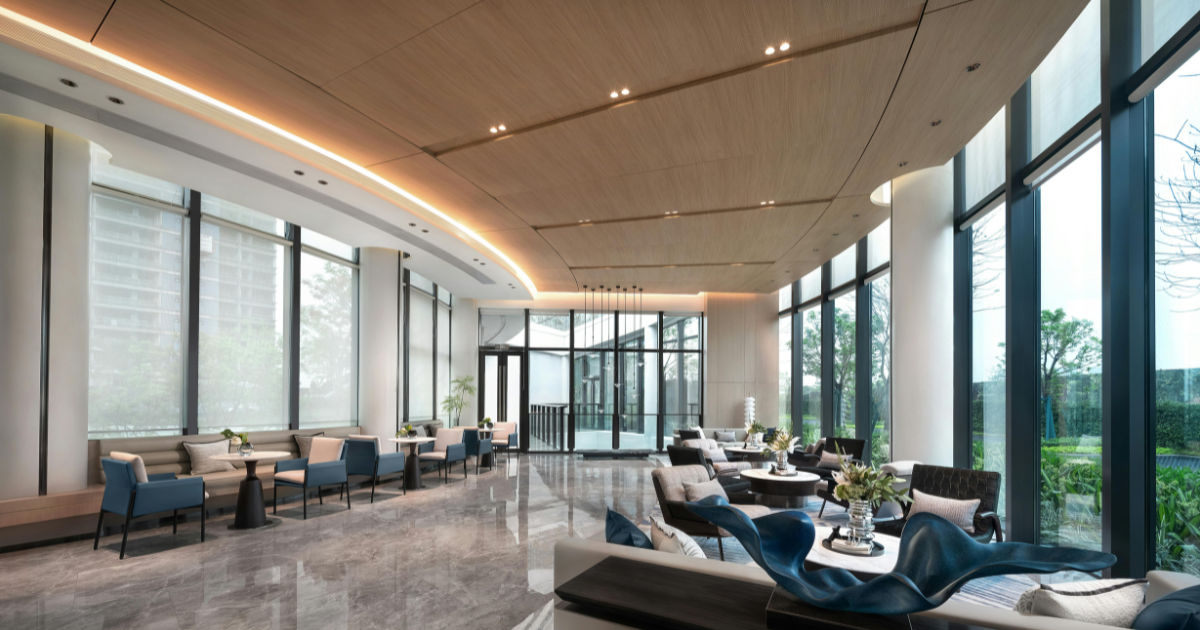
Miraj Green Makkah helps describe this blend of traditional values and modern hospitality that shapes every dining experience in the city.
In Makkah, dining environments are deeply influenced by global visitors. You will find everything from simple street food stalls to luxurious hotel buffets.
Miraj Green Makkah reflects how restaurants adapt to serve millions of people from different cultures and backgrounds. The city’s food spaces are designed for convenience, comfort, and large crowds.
Another important aspect is the spiritual atmosphere. Many restaurants operate around prayer times and respect religious practices.
Miraj Green Makkah is often used to describe this balance between hospitality and faith. Whether someone is eating alone or in a large group, the environment remains respectful and welcoming.
Food in Makkah is not only about taste but also about connection. Miraj Green Makkah highlights how dining becomes part of a traveler’s journey, especially for pilgrims who need nourishment during physically demanding days.
The city’s dining spaces are built to serve both body and soul in a meaningful way.
Overall, Miraj Green Makkah helps us understand that dining in this holy city is a blend of tradition, diversity, and service excellence.
Overview of Dining Environment in Makkah
The dining environment in Makkah is shaped by millions of visitors arriving throughout the year. Miraj Green Makkah represents this dynamic atmosphere where food services must meet global expectations while staying rooted in local culture.
Restaurants in Makkah are often located near religious sites, hotels, and transportation hubs. Miraj Green Makkah reflects how convenience plays a key role in restaurant placement. Most dining areas are designed to handle large crowds efficiently.
Cleanliness and hygiene are highly prioritized. Miraj Green Makkah is associated with well-maintained dining spaces that cater to international guests. Restaurants often follow strict food safety standards due to the high number of visitors.
Another key feature is diversity. You will find Middle Eastern, South Asian, African, and Western cuisines in one city. Miraj Green Makkah highlights how multicultural dining is a defining feature of the city.
Service speed is also important. Many visitors are on tight schedules, especially pilgrims. Miraj Green Makkah represents quick service models that ensure people are served without long waiting times.
Overall, the dining environment is a mix of tradition, efficiency, and global influence, and Miraj Green Makkah helps capture this balance.
Types of Dining Experiences in Makkah
Makkah offers a wide variety of dining environments, each serving different needs. Miraj Green Makkah is often used to describe the variety and richness of these food spaces.
Hotel Dining and Buffets
Hotels in Makkah provide some of the most comfortable dining environments. Miraj Green Makkah reflects the luxury and convenience found in hotel buffets that serve international cuisine.
These buffets offer everything from Arabic rice dishes to Asian noodles and continental breakfasts. Miraj Green Makkah represents how hotels cater to global pilgrims with diverse tastes.
Many hotels operate 24/7 dining services. Miraj Green Makkah highlights the importance of flexibility for guests who may return from prayers at different hours.
Street Food Culture
Street food is another important part of Makkah’s dining scene. Miraj Green Makkah helps describe the vibrant street-side stalls offering quick snacks and meals.
You can find shawarma, falafel, juices, and grilled items at affordable prices. Miraj Green Makkah reflects how street food serves both locals and visitors looking for fast meals.
These environments are simple but lively. Miraj Green Makkah captures the energy of small vendors serving large crowds efficiently.
Fast Food Chains
International fast food chains are widely available in Makkah. Miraj Green Makkah represents the global influence seen in familiar brands offering consistent menus.
These restaurants are popular among younger visitors and families. Miraj Green Makkah highlights their role in providing familiar food options in a foreign land.
They also maintain high hygiene and quick service standards, which is important for pilgrims.
Group Dining for Pilgrims
Large group dining is very common in Makkah due to pilgrim travel groups. Miraj Green Makkah reflects how restaurants accommodate bulk meal services.
Buffet-style group dining is often arranged in hotels or dedicated halls. Miraj Green Makkah shows how efficiency is key in feeding large groups quickly.
Meals are usually simple, nutritious, and designed to support energy needs during religious activities.
Fine Dining Restaurants
Makkah also offers upscale dining experiences. Miraj Green Makkah represents elegant restaurants with premium service and international menus.
These places focus on presentation, comfort, and personalized service. Miraj Green Makkah highlights how fine dining coexists with traditional food culture.
Such environments are quieter and more relaxed compared to crowded areas.
Cultural and Religious Influence on Dining
The dining environment in Makkah is deeply influenced by Islamic culture. Miraj Green Makkah reflects how religious values shape food preparation and service.
Halal food is a standard requirement across all restaurants. Miraj Green Makkah highlights the strict adherence to Islamic dietary laws.
Prayer times also influence restaurant operations. Many places pause service during prayer breaks. Miraj Green Makkah represents this integration of spirituality into daily business.
Hospitality is another cultural value. Guests are treated with respect and generosity. Miraj Green Makkah shows how welcoming behavior is part of the dining experience.
During Ramadan, dining environments change significantly. Miraj Green Makkah reflects special iftar and suhoor setups in hotels and restaurants.
Family-style dining is also common. Miraj Green Makkah highlights how shared meals strengthen social and spiritual bonds.
The overall atmosphere is peaceful and respectful, aligning with the sacred nature of the city.
Practical Tips for Dining in Makkah
Understanding the dining environment helps visitors enjoy their experience better. Miraj Green Makkah provides useful insight into how to navigate food options in the city.
First, always plan meals around prayer times. Miraj Green Makkah reflects how schedules may shift during busy hours.
Second, choose restaurants based on location. Miraj Green Makkah highlights how proximity to hotels or Haram can save time.
Third, explore different cuisines. The city offers a wide variety, and Miraj Green Makkah represents this diversity.
Fourth, expect crowds during peak pilgrimage seasons. Miraj Green Makkah shows how patience is important in busy dining areas.
Fifth, consider buffet options for convenience. Miraj Green Makkah reflects how buffets are ideal for groups and families.
Lastly, always check hygiene standards. Miraj Green Makkah emphasizes the importance of clean and well-managed dining spaces.
These simple tips help travelers enjoy food experiences more comfortably.
Challenges in the Dining Environment
While Makkah offers excellent dining options, there are also challenges. Miraj Green Makkah helps explain these real-world conditions.
One challenge is overcrowding during pilgrimage seasons. Miraj Green Makkah reflects how restaurants can become extremely busy.
Another issue is price variation. Some areas may be more expensive due to location. Miraj Green Makkah highlights the importance of choosing wisely.
Language barriers can also be a challenge. Miraj Green Makkah represents the diversity of staff and visitors from different countries.
Waiting times can be longer during peak hours. Miraj Green Makkah shows how demand sometimes exceeds capacity.
Despite these challenges, service quality remains strong overall. Miraj Green Makkah reflects how the hospitality industry continuously adapts.
Understanding these challenges helps visitors prepare better.
Conclusion
The dining environment in Makkah is one of the most diverse and spiritually influenced food cultures in the world. Miraj Green Makkah captures this unique blend of tradition, hospitality, and global influence. From street food to luxury hotels, every dining space serves a purpose.
Visitors experience more than just meals—they experience culture, respect, and community. Miraj Green Makkah reflects how food becomes part of a spiritual journey for millions of pilgrims each year.
Despite challenges like crowds and busy schedules, the city’s dining system remains highly efficient. Miraj Green Makkah shows how organization and hospitality work together to serve people from all over the world.
Ultimately, dining in Makkah is not just about eating food. It is about comfort, connection, and faith. Miraj Green Makkah helps us understand this deeper meaning behind every meal shared in the holy city.
About the Author
