Choosing the perfect upholstery fabric is one of the most important parts of interior design. The way a fabric feels can completely change the comfort, beauty, and mood of a room.
Many homeowners focus only on color or pattern, but texture matters just as much. A sofa may look stylish, but if the fabric feels rough, sticky, or uncomfortable, it can affect the entire experience of using the furniture.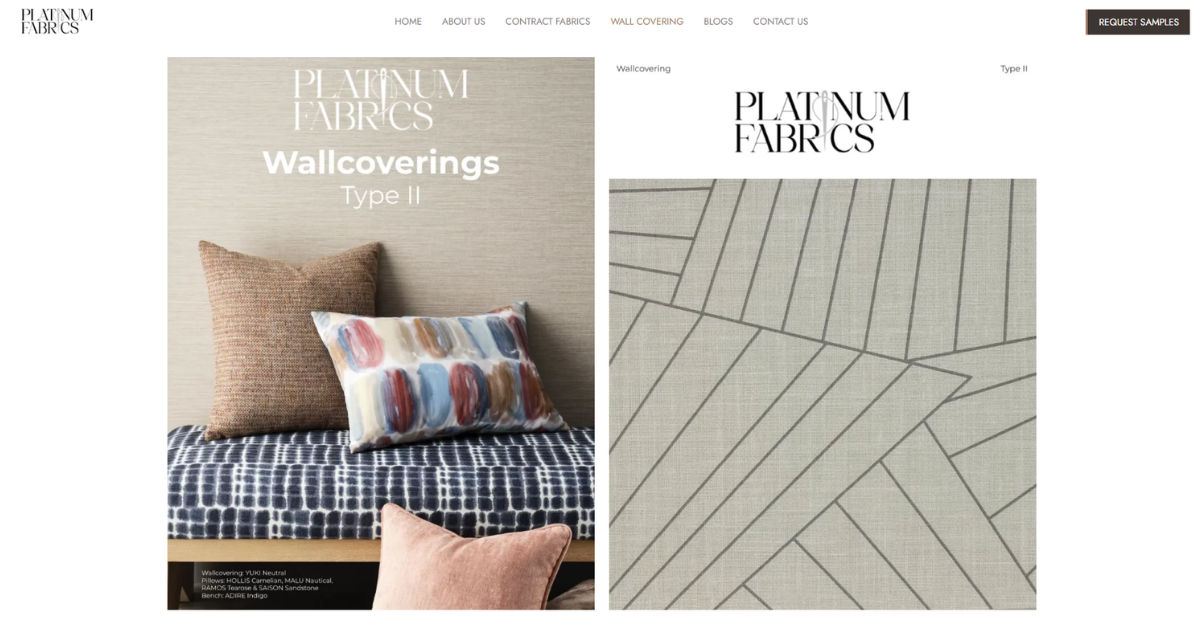
Today, interior trends are changing quickly, especially in luxury markets like the UAE. Many designers combine furniture fabrics with stylish wall solutions such as Wall Covering UAE products to create balanced interiors.
The texture of upholstery should work together with flooring, curtains, lighting, and even Wall Covering UAE designs to create harmony inside the space.
This guide explains everything you need to know about upholstery fabric textures. You will learn how different textures feel, where they work best, and how to choose the perfect one for your home or office.
Why Upholstery Fabric Texture Matters
Texture affects both comfort and appearance. When someone sits on a chair or sofa, the texture is the first thing they notice. Soft textures feel warm and relaxing, while rough textures feel more natural and casual.
Texture also changes how furniture looks under light. Smooth fabrics reflect light differently compared to textured materials. This is why many modern designers pair textured sofas with elegant Wall Covering UAE styles to create depth and visual interest.
The right texture can make furniture:
- Feel more comfortable
- Look more luxurious
- Last longer
- Hide stains and scratches
- Match the overall room design
Without the right texture, even expensive furniture may not feel inviting.
Understanding Upholstery Fabric Types
Different upholstery fabrics offer different textures. Some feel silky and smooth, while others feel thick and cozy. Understanding the main types helps you make better decisions.
Cotton Upholstery Fabric
Cotton is one of the most common upholstery materials. It feels soft, breathable, and natural. Cotton works well in family homes because it is comfortable for daily use.
Benefits include:
- Soft texture
- Comfortable in warm climates
- Easy to dye in many colors
- Affordable
However, cotton wrinkles easily and may absorb stains faster than synthetic fabrics.
Many homeowners pair cotton furniture with modern Wall Covering UAE installations because the natural texture creates a calm and elegant atmosphere.
Linen Upholstery Fabric
Linen feels light, airy, and slightly textured. It gives furniture a relaxed and sophisticated appearance.
Advantages include:
- Natural luxury look
- Breathable texture
- Excellent for modern interiors
- Eco-friendly material
Linen works beautifully in bright living rooms with soft lighting and neutral Wall Covering UAE designs.
The only downside is that linen wrinkles more easily than other fabrics.
Velvet Upholstery Fabric
Velvet is known for its rich and luxurious texture. It feels extremely soft and smooth.
Velvet furniture creates a premium look in:
- Luxury homes
- Hotels
- Formal living rooms
- Elegant office lounges
Velvet reflects light beautifully, which adds depth to interiors. Designers often combine velvet sofas with dramatic Wall Covering UAE patterns for a luxurious statement.
However, velvet may require more maintenance because it can attract dust and fingerprints.
Leather Upholstery
Leather feels smooth, cool, and sophisticated. It is one of the most durable upholstery choices available.
Benefits include:
- Long-lasting durability
- Easy cleaning
- Timeless appearance
- Stylish texture
Leather develops character over time, making it even more attractive as it ages.
Modern apartments often use leather seating alongside textured Wall Covering UAE panels to create a contemporary design style.
Chenille Upholstery Fabric
Chenille has a soft and fuzzy texture. It feels warm and cozy, making it perfect for family spaces.
Key benefits:
- Comfortable texture
- Strong durability
- Attractive appearance
- Great for casual interiors
Chenille works especially well in colder environments where comfort matters most.
Microfiber Upholstery
Microfiber feels smooth and soft while remaining highly durable. It is a practical choice for homes with pets and children.
Advantages include:
- Stain resistance
- Easy maintenance
- Soft touch
- Affordable pricing
Microfiber is becoming increasingly popular in modern UAE interiors alongside minimalist Wall Covering UAE concepts.
How Texture Affects Comfort
Comfort is not only about softness. Some people prefer firm textures, while others enjoy plush fabrics.
Here are the main comfort factors:
Warm vs Cool Textures
Velvet and chenille feel warmer because they trap heat. Leather and linen feel cooler because they allow more airflow.
In hot climates like the UAE, breathable fabrics often work better for daily comfort.
Smooth vs Rough Textures
Smooth fabrics feel elegant and modern. Rough textures feel natural and rustic.
Smooth options include:
- Leather
- Silk blends
- Velvet
Rough textures include:
- Linen
- Tweed
- Woven cotton
The right balance often depends on the room’s style and nearby Wall Covering UAE elements.
Firm vs Plush Feel
Some textures provide more cushioning than others. Plush fabrics create a cozy atmosphere, while firmer textures support better posture.
For example:
- Velvet = plush comfort
- Leather = firm support
- Linen = balanced comfort
Matching Upholstery Texture with Interior Style
Furniture texture should match the overall room design.
Modern Interiors
Modern spaces usually favor clean and smooth textures.
Best options include:
- Leather
- Velvet
- Microfiber
These pair beautifully with sleek Wall Covering UAE designs and minimalist décor.
Traditional Interiors
Traditional homes often use textured fabrics like:
- Chenille
- Cotton blends
- Woven fabrics
These textures create warmth and timeless appeal.
Luxury Interiors
Luxury spaces focus on rich textures.
Popular choices include:
- Velvet
- Silk blends
- Premium leather
Luxury furniture works especially well with decorative Wall Covering UAE panels featuring metallic or textured finishes.
Rustic Interiors
Rustic spaces benefit from natural textures like:
- Linen
- Burlap blends
- Woven cotton
These fabrics create a comfortable and earthy atmosphere.
Best Upholstery Textures for Families
Families need fabrics that are both comfortable and durable.
Pet-Friendly Textures
Pets can scratch or stain delicate fabrics. Good pet-friendly options include:
- Microfiber
- Leather
- Tight woven fabrics
These are easier to clean and resist damage better.
Child-Friendly Fabrics
Children often spill food or drinks. Durable textures help reduce stress.
Best choices include:
- Performance fabrics
- Microfiber
- Stain-resistant cotton blends
Many family homes in the UAE combine practical furniture textures with washable Wall Covering UAE materials for easier maintenance.
Texture and Durability
Some textures wear out faster than others.
High-Durability Textures
The strongest upholstery textures include:
- Leather
- Microfiber
- Synthetic blends
These work well in busy homes or offices.
Medium-Durability Textures
Moderately durable fabrics include:
- Cotton
- Chenille
- Linen blends
These require regular care but still offer good lifespan.
Delicate Textures
Some luxurious textures need careful handling.
Examples include:
- Pure silk
- Delicate velvet
- Loose woven fabrics
These are better for decorative furniture rather than daily use.
How Lighting Changes Fabric Texture
Lighting plays a huge role in how texture appears.
Natural sunlight highlights woven details, while artificial lighting enhances shine and softness.
For example:
- Velvet changes color tones under light
- Leather reflects lighting sharply
- Linen creates soft shadows
Interior designers often coordinate lighting with furniture and Wall Covering UAE finishes to create balanced visual effects.
Choosing Texture Based on Climate
Climate affects comfort more than many people realize.
Hot Climate Fabrics
In warm regions, breathable textures work best.
Recommended options:
- Linen
- Cotton
- Lightweight woven fabrics
These allow airflow and reduce heat buildup.
Cold Climate Fabrics
Cold regions benefit from insulating textures.
Good choices include:
- Velvet
- Chenille
- Thick woven materials
These create warmth and coziness.
Popular Upholstery Texture Trends
Interior trends continue evolving every year.
Sustainable Fabrics
Eco-friendly textures are becoming very popular.
Examples include:
- Recycled fabrics
- Organic cotton
- Eco linen
These support sustainable living while maintaining style.
Bouclé Fabric
Bouclé features looped yarn texture that feels soft and modern.
It is currently trending in luxury interiors because it adds depth and elegance.
Bouclé pairs beautifully with minimalist Wall Covering UAE styles.
Mixed Texture Design
Modern interiors often combine multiple textures together.
For example:
- Leather chairs
- Velvet cushions
- Linen curtains
- Textured wall panels
This layering technique creates visual richness.
Upholstery Texture for Different Rooms
Different rooms require different textures.
Living Room
Living rooms need comfort and durability.
Best options:
- Chenille
- Velvet
- Microfiber
These feel welcoming while remaining practical.
Bedroom
Bedroom seating should feel soft and relaxing.
Recommended textures:
- Velvet
- Linen
- Soft cotton blends
These pair well with calming Wall Covering UAE designs.
Dining Room
Dining chairs require stain-resistant textures.
Good choices:
- Leather
- Performance fabrics
- Tight woven materials
Office Spaces
Office furniture should look professional while staying comfortable.
Popular textures include:
- Leather
- Structured woven fabrics
- Microfiber
These create a clean and polished appearance.
Texture and Color Combination
Texture changes how colors appear.
Dark Colors with Texture
Dark textured fabrics feel dramatic and luxurious.
Examples:
- Navy velvet
- Black leather
- Charcoal chenille
These create bold interiors.
Light Colors with Texture
Light textures feel airy and spacious.
Popular examples:
- Beige linen
- Cream bouclé
- White cotton
These work beautifully in modern UAE homes using bright Wall Covering UAE concepts.
How to Test Upholstery Texture
Before buying upholstery, always test the texture.
Touch Test
Run your hand across the fabric. Check whether it feels:
- Soft
- Scratchy
- Slippery
- Warm
- Cool
Sit Test
Sit on the furniture for several minutes.
Notice:
- Comfort level
- Breathability
- Support
- Heat retention
Light Test
View the texture under different lighting conditions.
This helps reveal how the fabric will appear during the day and night.
Upholstery Texture Maintenance
Maintenance affects how long fabric stays beautiful.
Vacuum Regularly
Dust damages fibers over time. Regular vacuuming protects the texture.
Clean Spills Quickly
Immediate cleaning prevents permanent stains.
Protect from Sunlight
Direct sunlight may fade or weaken fabrics.
Rotate Cushions
Rotating cushions prevents uneven wear.
Many homeowners also maintain their surrounding Wall Covering UAE materials carefully to keep the entire room looking fresh.
Common Upholstery Texture Mistakes
Many people choose texture based only on appearance.
Here are common mistakes to avoid:
Ignoring Lifestyle Needs
Luxury velvet may look beautiful, but it may not suit homes with pets or children.
Choosing Trend Over Comfort
Some trendy textures may feel uncomfortable during daily use.
Forgetting Maintenance Requirements
Delicate fabrics require more care and cleaning.
Ignoring Room Balance
Furniture texture should complement flooring, curtains, and Wall Covering UAE features.
Professional Designer Tips
Interior designers use several techniques when selecting upholstery textures.
Layer Different Textures
Combining textures adds richness to interiors.
For example:
- Velvet sofa
- Linen curtains
- Leather ottoman
- Textured wall finish
Use Texture for Contrast
Smooth furniture looks better beside textured walls and rugs.
Prioritize Function
Always choose texture based on how the room will actually be used.
Sample Before Buying
Small fabric samples help prevent expensive mistakes.
Luxury Upholstery Trends in UAE
The UAE interior market is known for elegance and innovation.
Popular texture trends include:
- Soft velvet seating
- Neutral bouclé fabrics
- Sustainable linen
- Premium leather furniture
These are often paired with decorative Wall Covering UAE installations to create sophisticated luxury interiors.
Hotels, villas, and apartments across the UAE increasingly use texture layering to create visually rich spaces.
Emotional Impact of Texture
Texture influences emotions more than people realize.
Soft Textures
Soft fabrics create feelings of:
- Relaxation
- Comfort
- Warmth
Smooth Textures
Smooth materials create feelings of:
- Sophistication
- Cleanliness
- Modern elegance
Rough Textures
Rougher fabrics create feelings of:
- Natural beauty
- Authenticity
- Casual comfort
Interior designers carefully combine upholstery and Wall Covering UAE materials to shape emotional experiences inside rooms.
Future of Upholstery Fabric Textures
Technology is changing upholstery fabrics rapidly.
Future trends include:
- Smart stain-resistant materials
- Eco-friendly production
- Advanced performance fabrics
- Sustainable recycled textiles
Consumers now want textures that combine luxury, comfort, and practicality.
This demand continues influencing furniture and Wall Covering UAE industries worldwide.
Conclusion
Choosing the right upholstery fabric texture is about much more than appearance. Texture affects comfort, durability, mood, maintenance, and overall design harmony. Every fabric creates a different experience, whether it is the soft elegance of velvet, the cool sophistication of leather, or the relaxed beauty of linen.
The best upholstery texture depends on your lifestyle, room purpose, climate, and personal taste. Families may prefer durable microfiber, while luxury interiors may focus on velvet or leather. Modern designers also emphasize coordination between furniture textures and decorative features such as Wall Covering UAE solutions to create complete and balanced interiors.
By understanding fabric texture carefully, homeowners can create spaces that feel comfortable, stylish, and welcoming for years to come. The perfect upholstery texture is not simply the one that looks beautiful. It is the one that feels right every single day.
About the Author