If you are searching for answers about what happens after you report illegal workers Canada, you are not alone. Many people want to understand how the process works, what government agencies do next, and whether a report leads to action.
In many cases, people also search phrases like cbsa report illegal workers online how to report illegal worker in Canada because they want to know the correct steps and what to expect after submitting information.
Canada takes immigration fraud, unauthorized employment, and labour abuse seriously. However, the process after a report is not always immediate or visible to the public.
Investigations can take time, evidence must be reviewed carefully, and privacy laws often prevent agencies from sharing updates.
This guide explains the full process in simple language. You will learn who handles reports, what investigators look for, possible outcomes, how long it can take, and what rights workers and employers have.
Understanding Illegal Workers in Canada
Before discussing what happens after a report, it helps to understand what “illegal workers” can mean.
The term may refer to:
- A person working without a valid work permit
- Someone working after a permit expired
- A worker doing a job not allowed under their visa conditions
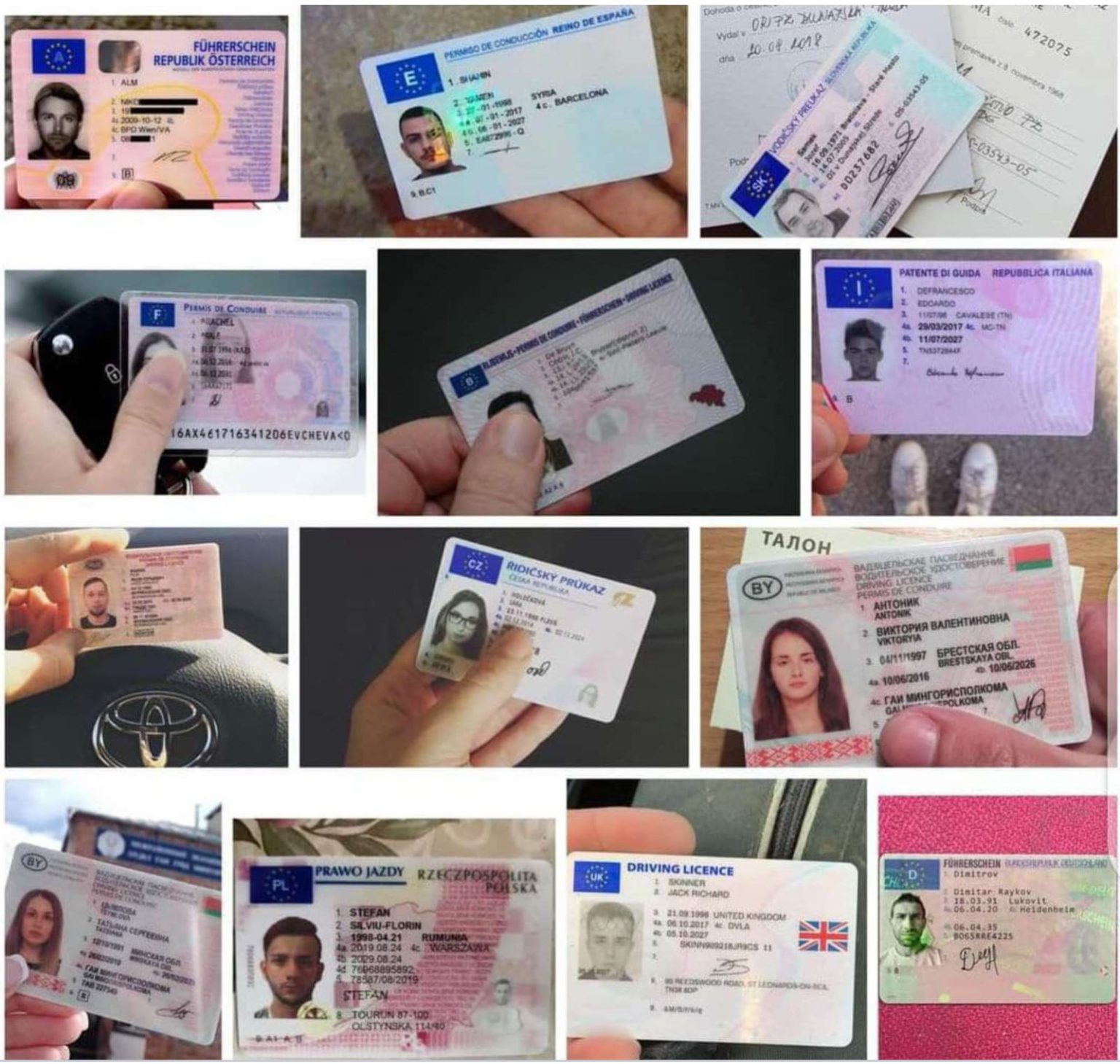
- A person using false documents
- An employer hiring foreign nationals without authorization
- Cash jobs that violate immigration or tax laws
- Fraud involving the Temporary Foreign Worker Program
Not every situation is simple. Some people may have pending applications, implied status, refugee claims, appeals, or other legal protections. That is why authorities investigate before taking action.
Who Receives the Report in Canada?
Different agencies may handle different complaints.
Canada Border Services Agency (CBSA)
CBSA often investigates immigration violations, unauthorized work, false documents, and inadmissibility matters. Canada advises people to use the Border Watch system to report suspected immigration fraud or violations.
Many users search cbsa report illegal workers online how to report illegal worker in Canada because CBSA is one of the main agencies involved.
Service Canada / Employment and Social Development Canada (ESDC)
If the issue involves abuse or misuse of the Temporary Foreign Worker Program, Service Canada may investigate employers. The government states that employers who abuse workers or misuse the program may face penalties or bans.
Immigration, Refugees and Citizenship Canada (IRCC)
IRCC may become involved if there are issues with applications, misrepresentation, or immigration status.
Canada Revenue Agency (CRA)
If wages are hidden, taxes are unpaid, or workers are paid under the table, tax authorities may also be relevant.
What Happens Immediately After You Submit a Report?
After you file a report, several things usually happen behind the scenes.
1. Your Report Is Received
The agency logs your complaint into its system. It may be submitted online, by phone, or by other approved methods.
2. Information Is Reviewed
Officials check:
- Names provided
- Employer details
- Address of workplace
- Dates and times
- Type of suspected violation
- Documents or photos submitted
- Whether similar complaints already exist
3. Risk Level Is Assessed
Not every case gets the same priority. Reports involving fraud rings, document forgery, human trafficking, worker abuse, or public safety risks may receive faster attention.
4. Privacy Rules Apply
You usually will not receive detailed updates. Government departments often do not disclose investigation details because of privacy and enforcement rules. Canada notes that for privacy reasons, they may not tell you what happens after a report.
Does the Government Investigate Every Report?
Not always in the same way.
Some reports lead to a full investigation. Others may be screened, merged with existing files, or closed if there is not enough evidence.
Agencies consider:
- Credibility of the information
- Specific details provided
- Evidence attached
- Severity of allegations
- Available resources
- Existing intelligence
A vague complaint like “I think they hire illegal workers” is weaker than a report with names, dates, job locations, schedules, and proof.
What Investigators May Do Next
If officials believe the report needs further review, they may take several steps.
Database Checks
Authorities may compare names, permits, employer records, and immigration files.
Surveillance or Monitoring
In some cases, officers may observe a business or gather intelligence lawfully.
Contacting Other Departments
They may share relevant information with other authorized agencies.
Workplace Inspection
Inspectors may review records, payroll, job duties, and worker authorization.
Interviews
They may interview:
- Employers
- Managers
- Workers
- Witnesses
- Neighbours
- Former staff
Document Verification
Officers may verify:
- Work permits
- Passports
- SIN records (where legally permitted)
- Payroll records
- LMIA records
- Job contracts
How Long Does It Take?
There is no single timeline.
Some simple matters may be reviewed quickly. Larger investigations may take weeks, months, or longer.
Timing depends on:
- Complexity of case
- Number of workers involved
- Need for evidence gathering
- Legal processes
- Cooperation of witnesses
- Priority level
If you submit a report and hear nothing, that does not always mean nothing happened.
Possible Outcomes for the Worker
If authorities confirm unauthorized work or another violation, several outcomes are possible.
Warning or Compliance Review
Sometimes a worker may be asked to clarify status or provide documents.
Loss of Status
If the person has no legal authorization, they may be found out of status.
Removal Proceedings
Some cases may lead to enforcement steps or a removal order, depending on the law and the person’s circumstances.
Inadmissibility Findings
Fraud, misrepresentation, or serious violations can create future immigration problems.
Opportunity to Respond
In many legal systems, people often have procedural rights such as responding, appealing, or seeking legal advice depending on the case.
Possible Outcomes for the Employer
Employers can also face serious consequences.
Fines
Businesses may be fined for employing foreign nationals without authorization. In one public case, several businesses pleaded guilty and were fined after an investigation into illegal hiring of foreign nationals.
Program Bans
Canada states that employers who abuse workers or misuse the Temporary Foreign Worker Program may be banned from the program.
Inspections and Audits
Employers may be required to provide records and prove compliance.
Reputation Damage
Public enforcement actions can harm trust and business reputation.
Criminal Charges
Serious fraud, trafficking, or organized schemes may lead to stronger penalties.
What If the Report Was False?
False or malicious reports can waste resources and harm innocent people.
That is why investigators verify facts before acting. A report alone does not automatically prove guilt.
If you are reporting, be honest, factual, and specific. Avoid exaggeration or personal revenge motives.
Can You Report Anonymously?
In many situations, yes. Some reporting channels allow anonymous tips.
However, anonymous reports may have limits:
- Investigators cannot contact you for clarification
- You may not receive updates
- Missing details can weaken the case
Still, anonymous reports can be useful when they include strong evidence.
This is one reason many people search cbsa report illegal workers online how to report illegal worker in Canada because they want a safe and private way to submit information.
What Information Helps a Strong Report?
Useful details include:
- Business name
- Exact address
- Worker names if known
- Job type
- Work schedule
- Vehicle details
- Dates observed
- How you know the facts
- Screenshots or ads
- Photos if lawfully obtained
- Payment method described
- Names of supervisors
The more specific the facts, the easier it is to assess credibility.
What You Should Not Do
Do not try to investigate on your own in risky ways.
Avoid:
- Harassing workers
- Threatening staff
- Trespassing
- Recording illegally
- Posting accusations online without proof
- Confronting suspected traffickers
- Using fake identities to trap people
If danger exists, contact police or emergency services.
What If the Worker Is Being Exploited?
Sometimes the real issue is abuse, not just status.
A worker may be:
- Underpaid
- Threatened
- Forced to work
- Living in unsafe housing
- Having documents withheld
- Trapped by debt
Canada states workers are protected by law and abuse can be reported.
In such cases, protecting the worker may become a priority.
Can Someone Be Working Illegally by Mistake?
Yes, sometimes.
Examples:
- Permit expired and renewal misunderstood
- Wrong job conditions not understood
- Employer misled the worker
- Consultant gave false advice
- Worker thought an application allowed continued work
That is why investigations matter. Not every suspected case is deliberate fraud.
What If You Are the Employer?
If you are an employer worried about compliance:
Check Work Authorization
Verify permits and conditions before hiring.
Keep Records
Maintain payroll, contracts, and identity records as required by law.
Train Managers
Ensure hiring staff understand immigration rules.
Respond Quickly to Notices
If contacted by authorities, cooperate and seek professional legal advice if needed.
What If You Are the Worker?
If you are worried about your own status:
Review Your Documents
Check expiry dates and conditions.
Seek Legal Advice
Speak with a licensed immigration lawyer or authorized professional.
Avoid Fraud
Do not use fake papers or false job offers.
Keep Evidence
Save contracts, pay slips, emails, and applications.
Common Myths About Reporting Illegal Workers
Myth 1: Authorities Raid Every Business Immediately
False. Many reports are reviewed quietly first.
Myth 2: One Complaint Guarantees Deportation
False. Evidence and legal process matter.
Myth 3: Anonymous Reports Are Ignored
False. They can still be useful if detailed.
Myth 4: Only Workers Get in Trouble
False. Employers may face penalties too.
Myth 5: You Will Be Told Everything
False. Privacy laws often limit updates.
Why Some Cases Seem to Go Nowhere
People sometimes assume nothing happened because they never hear back. But many actions are confidential.
Other reasons include:
- Not enough evidence
- Worker had valid status
- Matter handled by another agency
- Investigation still ongoing
- Lower priority case
- Legal barriers to immediate action
How to Report Responsibly
If you decide to report:
- Gather facts, not rumors
- Write clear dates and details
- Use official channels
- Stay truthful
- Keep copies of what you submit
- Be patient
Many users searching cbsa report illegal workers online how to report illegal worker in Canada are looking for the correct and responsible path. Using official government channels is the best approach.
Real-World Enforcement Shows It Can Lead to Action
Canada has publicly announced enforcement cases involving businesses that employed foreign nationals without authorization. In one case, businesses pleaded guilty and received fines. This shows reports and investigations can lead to real consequences when evidence supports the allegations.
Frequently Asked Questions
Will I know the final result?
Usually not in detail. Privacy laws often prevent agencies from sharing case outcomes.
Can I report without proof?
Yes, but detailed facts help much more than suspicion alone.
Can workers defend themselves?
Often yes, depending on the legal process and their status.
Can employers be punished even if workers agreed?
Yes. Employer obligations still matter.
Is cash work always illegal?
Not automatically. But hidden wages, no taxes, or unauthorized employment can create legal problems.
Conclusion
So, what happens after you report illegal workers Canada? First, your report is logged and reviewed. Then officials assess credibility, risk, and evidence. Some cases move to investigation, inspections, interviews, or data checks. If violations are proven, workers may face immigration consequences and employers may face fines, bans, audits, or prosecution.
The most important thing to understand is that the process is not instant and not always visible. Privacy rules mean you may never know the final result. That does not mean your report was ignored. It means the system must balance fairness, evidence, enforcement, and legal rights.
If you choose to report, do it responsibly. Use facts, not rumors. Use official channels. Include clear details. And remember that sometimes the bigger issue is worker exploitation, fraud, or employer abuse rather than the worker alone.
For anyone researching cbsa report illegal workers online how to report illegal worker in Canada, the best next step is always to use trusted government reporting systems and provide accurate information. Responsible reporting helps protect legal workers, honest employers, and the integrity of Canada’s immigration system.
About the Author