
Understanding the signals from your Lost THC V4 3 Gram CB9A Disposable can help you know how the device is operating and when something may need attention.
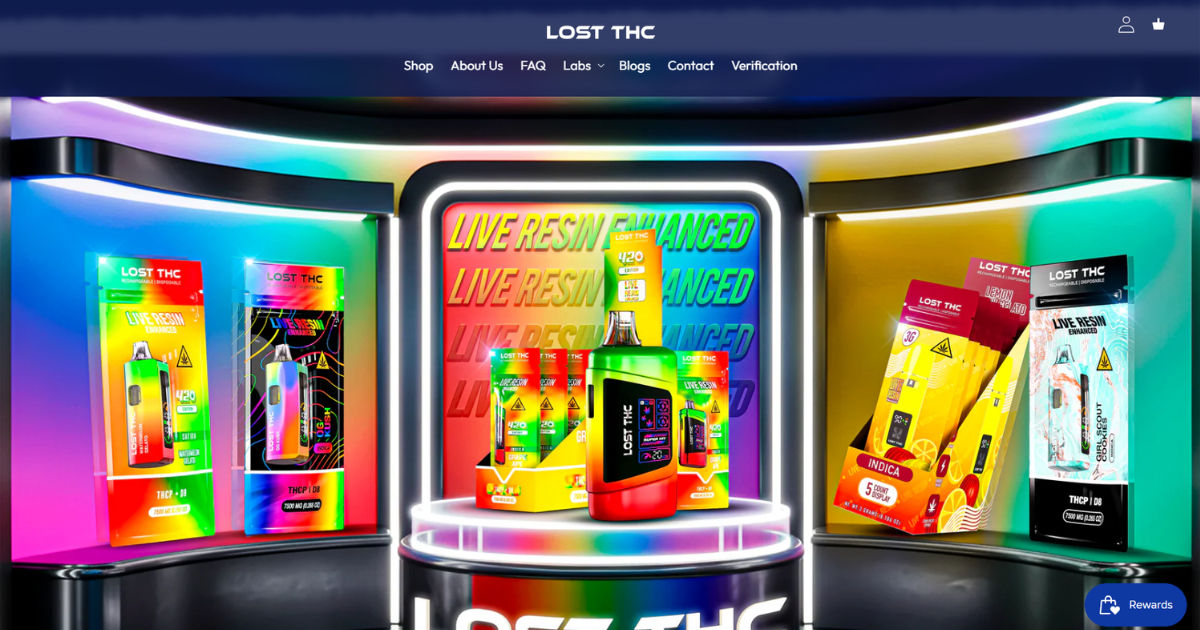
Many users of the Lost THC V4 3 Gram CB9A Disposable notice different light patterns, such as blinking, changing colors, or no light at all, and wonder what these indicators mean. The lights are designed to provide information about battery status, usage, charging, and possible device issues.
A disposable vape device may appear simple, but modern models include internal technology that controls heating, airflow, and battery performance. Learning how the indicator lights work can make the experience smoother and help prevent common mistakes.
The Light Indicators
The light on a disposable vape is more than just a decorative feature. It communicates information from the internal chip and battery system. Each pattern can represent a different condition.
For the Lost THC V4 3 Gram CB9A Disposable, the light usually activates when the device detects a draw. The indicator helps users understand whether the device is working properly or if there is a problem that needs to be checked.
Different manufacturers may use slightly different light meanings, so users should always consider the specific design of their device. However, common signals are generally related to battery life, activation, and protection settings.
What Does a Light Turning On Mean?
When the light turns on during use, it normally means the device has detected airflow and activated the heating system. This indicates that the battery is sending power to the coil, allowing the oil inside the device to heat.
A normal activation light usually shows that:
-
The device is detecting a puff.
-
The battery is working.
-
The heating element is receiving power.
-
The device is ready to produce vapor.
If the light appears briefly and the device works normally, there is usually no reason for concern.
What Does a Blinking Light Mean?
A blinking light is one of the most common things users notice. In many disposable devices, blinking is a warning signal. It does not always mean the device is broken, but it may indicate that something requires attention.
Possible reasons for a blinking indicator include:
Low Battery
One of the most common reasons for blinking is a weak battery. As the battery loses power, the device may flash to inform the user that performance could decrease.
A low battery may cause:
-
Smaller vapor production.
-
Less flavor intensity.
-
Longer heating times.
-
Automatic shutdown.
If the device has a charging option, charging may restore normal performance. If it is a non-rechargeable disposable, the blinking may indicate that the battery has reached the end of its usable life.
Automatic Protection Mode
Modern disposable devices often include safety controls. If the device detects unusual conditions, it may stop working temporarily.
Protection mode can happen because of:
-
Very long draws.
-
Overheating.
-
Airflow problems.
-
Internal safety limits being reached.
The blinking light is the device’s way of preventing possible damage.
Connection Issues
Sometimes the internal connection between the battery and heating component may not function correctly. When this happens, the device may light up but fail to produce vapor.
Possible causes include:
-
Manufacturing defects.
-
Internal connection problems.
-
Sensor issues.
What Does a Red Light Mean?
A red light often represents a warning condition. Depending on the model, it may indicate low battery power or another issue.
Users should check whether the device:
-
Produces vapor normally.
-
Flashes repeatedly.
-
Stops activating after several attempts.
If the red light appears alongside reduced performance, the battery may be running low.
What Does a Green or Blue Light Mean?
Some disposable devices use different colors to show normal operation or battery levels. A green or blue indicator often represents standard operation.
Possible meanings include:
-
The device is activated.
-
The battery has sufficient power.
-
The device is functioning normally.
Because light colors can vary between models, users should focus on the overall behavior of the device rather than only the color.
Why Is the Light Flashing but No Vapor Appears?
One confusing situation is when the light activates but no vapor comes out. This usually means the device recognizes the puff but something prevents normal vapor production.
Common causes include:
Blocked Airflow
Airflow is essential for activation. If the airflow path becomes blocked, the device may struggle to work correctly.
Possible solutions include:
-
Checking the mouthpiece for blockage.
-
Keeping the device stored properly.
-
Avoiding debris around the opening.
Oil Flow Problems
The oil inside a disposable device needs to move toward the heating area. If the device is stored incorrectly or exposed to temperature changes, oil movement can become uneven.
Signs of oil flow problems include:
-
Weak vapor.
-
Burnt taste.
-
Intermittent performance.
Battery Limitations
Even if the light appears, the battery may not have enough power to heat properly. A weak battery can activate the indicator without providing enough energy for consistent vapor production.
Why Does the Light Stay On Too Long?
If the indicator remains on longer than expected, it may be related to the device’s automatic shutoff system.
Many disposable devices include safety timers that stop heating after a certain period. This helps prevent:
-
Excessive heating.
-
Battery strain.
-
Component damage.
If the light stays active after normal use, allow the device to rest before trying again.
How to Maintain Proper Device Performance
Proper handling can reduce many common light-related issues.
Store the Device Correctly
Temperature and storage conditions can affect performance. Keep the device away from extreme heat, direct sunlight, and excessive moisture.
Avoid Excessively Long Draws
Long, continuous draws may activate safety protection features. Shorter draws can help maintain consistent operation.
Keep the Mouthpiece Clean
A clean mouthpiece supports better airflow and prevents unnecessary activation problems.
Monitor Battery Performance
Pay attention to changes in performance. Reduced vapor production and frequent blinking may indicate that the device is nearing the end of its lifespan.
Common Mistakes Users Make
Many problems happen because of simple usage mistakes.
Some common errors include:
-
Ignoring repeated warning lights.
-
Storing the device in hot places.
-
Blocking airflow openings.
-
Using the device beyond normal limits.
Understanding the signals from the Lost THC V4 3 Gram CB9A Disposable helps users recognize normal operation versus possible problems.
When Should You Replace the Device?
A disposable device eventually reaches the end of its useful life. Replacement may be necessary when:
-
The light continues flashing.
-
Vapor production becomes very weak.
-
The device no longer activates.
-
The battery does not provide enough power.
-
Performance changes significantly.
A blinking light does not always mean immediate failure, but repeated warnings usually suggest that the device needs attention.
Safety Considerations
Users should always follow product instructions and purchase products from reliable sources. Any device that becomes unusually hot, leaks, or shows signs of damage should not be used.
Responsible handling includes:
-
Keeping devices away from children and pets.
-
Avoiding damaged products.
-
Following storage recommendations.
-
Disposing of empty devices properly.
Conclusion
Understanding what the lights mean on a Lost THC V4 3 Gram CB9A Disposable can make it easier to identify normal operation, battery issues, and possible performance problems. The indicator light works as a communication tool between the device and the user, providing important information about activation, power levels, and protection features.
A steady activation light usually means the device is functioning correctly, while blinking lights may indicate low battery, protection mode, airflow issues, or other conditions that require attention. By learning these signals and using proper maintenance habits, users can better understand their device and avoid unnecessary problems.
The most important step is paying attention to changes in performance. Lights are designed to provide helpful warnings, and recognizing their meaning allows users to respond appropriately. Whether the device is showing normal activation or warning signs, understanding the indicator system creates a more informed and controlled experience.
About the Author