
Electrical wiring is the backbone of modern homes, offices, and industrial setups. One crucial component in any electrical system is the junction box. It serves as a protective enclosure where wires meet, split, or change direction.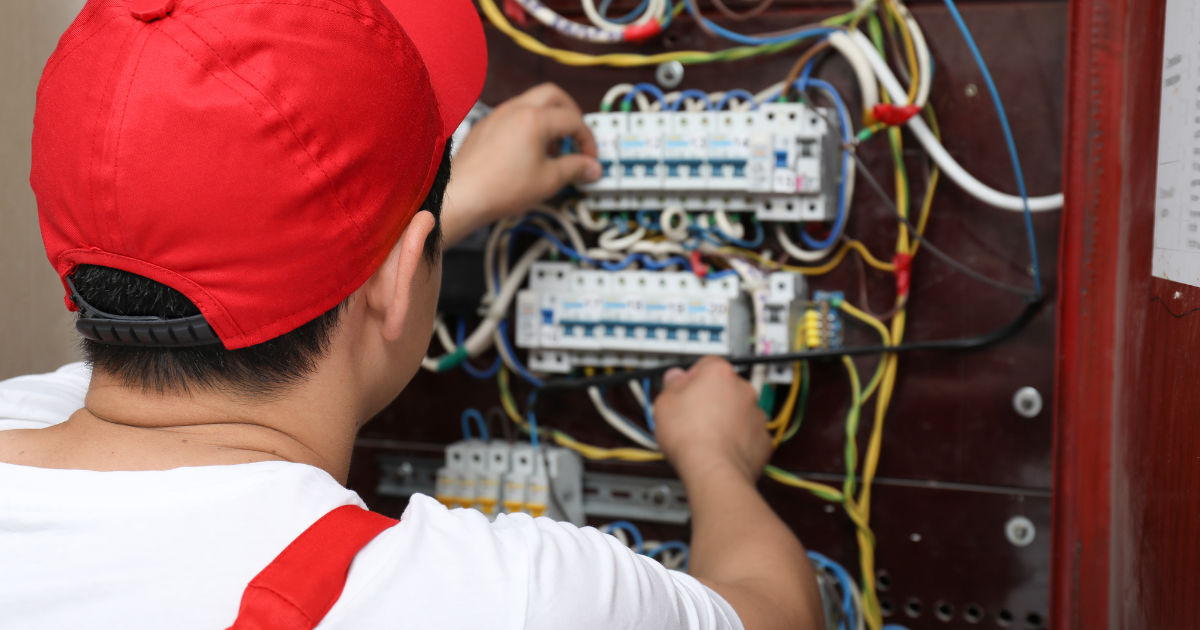
Proper Junction Box Wiring ensures safety, reduces the risk of electrical fires, and keeps your system functional over time.
Understanding how to safely handle junction boxes and wire splices is essential for anyone working with electricity, from students learning about circuits to professional electricians.
This guide from PowerLink Co Pakistan will provide a comprehensive overview of safe practices for junction box wiring and splices. By following these techniques, you can prevent accidents, maintain code compliance, and ensure your electrical installations are durable and reliable.
Understanding Junction Boxes
A junction box is more than just a container for wires. It is a safety device that protects wires from physical damage, prevents accidental contact, and allows proper organization of electrical circuits.
Junction boxes are typically made of metal or plastic. They come in various shapes and sizes depending on the number of wires and splices they need to accommodate. For instance, a small two-gang plastic box might suffice for a single light fixture, while larger metal boxes are used for complex industrial wiring systems.
Using a junction box is mandatory in most electrical codes. Exposed splices without a box are considered unsafe and can result in electrical hazards, including fires. Proper Junction Box Wiring ensures all connections are secure and insulated, reducing the risk of shorts and electrocution.
Types of Junction Boxes
Understanding the types of junction boxes can help you select the right one for your project.
Plastic Junction Boxes
Plastic junction boxes are lightweight, resistant to corrosion, and often used in residential wiring. They are non-conductive, which adds an extra layer of safety.
Metal Junction Boxes
Metal junction boxes are robust and provide excellent grounding options. They are typically required in commercial or industrial settings and can handle higher electrical loads.
Ceiling and Floor Boxes
These specialized boxes are designed for light fixtures, ceiling fans, or floor outlets. They ensure that wiring connections are safely enclosed even in unconventional locations.
Tools and Materials Needed
Before beginning any Junction Box Wiring work, gather the proper tools and materials. Using the right equipment improves safety and ensures professional results.
-
Screwdrivers (flathead and Phillips)
-
Wire strippers
-
Electrical tape
-
Wire nuts or connectors
-
Voltage tester
-
Pliers
-
Junction boxes (metal or plastic)
-
Appropriate gauge wires
-
Cable clamps
Having these tools at hand prevents improvisation, which is often a source of accidents during electrical work.
Step-by-Step Guide for Safe Junction Box Wiring
1. Turn Off the Power
The first rule in electrical work is always safety. Ensure that the power is completely turned off at the main breaker before starting any wiring. Never assume a circuit is dead; always use a voltage tester to confirm.
2. Plan Your Wiring Layout
Before making any connections, plan the path of your wires. Decide where the junction boxes will be placed, how wires will enter and exit, and the type of splices needed. Proper planning reduces clutter and prevents future maintenance issues.
3. Strip Wires Correctly
When preparing wires for splicing, use wire strippers to remove insulation carefully. Exposing too much wire increases the risk of accidental shorts, while too little wire makes a secure connection difficult.
4. Use Proper Connectors
Never twist wires together and leave them exposed. Always use wire nuts, crimp connectors, or approved terminal blocks. Each connector should match the wire gauge and type to ensure a secure fit.
5. Make Secure Splices
For a safe splice, twist wires together clockwise and then screw on a wire nut tightly. Tug lightly on each wire to ensure it is secure. Unstable splices can overheat and cause electrical fires.
6. Maintain Proper Wire Organization
Inside the junction box, organize wires neatly. Avoid overcrowding the box. Use cable clamps where wires enter the box to prevent them from pulling loose. Proper organization makes future inspections easier and safer.
7. Ground Properly
Grounding is critical for safety. Connect all metal boxes and equipment to a reliable ground. Use grounding screws and green wires where applicable. Proper grounding prevents shocks and protects connected devices.
8. Close the Junction Box Securely
Once all splices are complete, carefully fold the wires inside the box. Avoid sharp bends that can damage insulation. Attach the cover securely. Never leave a junction box open.
Common Mistakes to Avoid
Even experienced individuals can make mistakes when performing Junction Box Wiring. Recognizing and avoiding these errors enhances safety.
-
Overcrowding: Adding too many wires in one box can lead to overheating.
-
Loose Connections: Failing to twist wires properly or tighten connectors can cause arcing.
-
Ignoring Wire Gauge: Using a wire that is too thin for the circuit load can result in fire hazards.
-
Skipping Grounding: Ungrounded metal boxes increase the risk of electric shocks.
-
Using Improper Boxes: Always use the box type approved for your location and load.
Best Practices for Wire Splicing
Wire splicing is common in junction boxes. Following best practices ensures a safe, long-lasting connection.
Use the Right Splice Technique
-
Twist-On Connectors: Ideal for residential wiring.
-
Crimp Connectors: Common in industrial settings.
-
Push-In Connectors: Fast and secure but require the correct wire gauge.
Keep Splices Short
Excessive exposed wire inside a junction box increases the risk of shorts. Keep splices compact and neat.
Label Wires
Labeling wires, especially in complex setups, prevents mistakes during future maintenance or upgrades.
Safety Tips for Working in Junction Boxes
-
Always wear insulated gloves.
-
Avoid working in wet conditions.
-
Keep a fire extinguisher nearby.
-
Never use damaged wires or connectors.
-
Follow local electrical codes strictly.
By adhering to these safety tips, you minimize the risk of injury and ensure that your electrical system operates efficiently.
Inspecting Junction Box Wiring
After completing wiring and splices, inspection is vital.
-
Check that all wires are securely connected.
-
Ensure that no insulation is damaged.
-
Verify grounding and bonding.
-
Confirm that the box cover fits snugly.
-
Use a voltage tester to check for proper circuit operation.
Regular inspections can prevent issues before they become serious problems.
Benefits of Proper Junction Box Wiring
Proper Junction Box Wiring is not just about safety. It also offers practical advantages:
-
Reduced Fire Risk: Secure splices and grounded boxes prevent overheating and sparks.
-
Easier Maintenance: Organized wiring simplifies troubleshooting and future upgrades.
-
Code Compliance: Proper installation meets local and national electrical standards.
-
Extended Lifespan: Well-protected wires last longer and reduce the need for replacements.
Advanced Considerations
For large or complex electrical systems, consider the following:
-
Load Calculation: Ensure your junction box can handle the combined load of all circuits.
-
Heat Dissipation: Overcrowded boxes generate heat. Use larger boxes when necessary.
-
Surge Protection: Adding surge protection can protect sensitive devices connected to the circuits.
-
Labeling and Documentation: In commercial or industrial installations, document each connection for safety and maintenance.
Conclusion
Safe Junction Box Wiring and proper splicing are foundational to any reliable electrical system. By following the steps outlined in this guide—from turning off power to organizing wires and securing connections—you reduce the risk of electrical hazards and ensure long-term system performance. Remember, meticulous planning, correct use of connectors, proper grounding, and adherence to electrical codes are key to achieving safety and efficiency.
Whether you are a student learning about electrical systems or a professional electrician, applying these best practices will make your installations safe, durable, and code-compliant. Regular inspections, careful planning, and organized wiring are not just technical requirements—they are commitments to safety, reliability, and quality.
Following these guidelines ensures that your junction boxes and wire splices remain secure and functional, preventing hazards and maintaining a dependable electrical system. Safe wiring today saves countless problems tomorrow.
About the Author