
Family disputes can be emotionally challenging and legally complicated. Issues involving divorce, child custody, maintenance, financial support, dowry articles, and marital property often require careful legal preparation. Understanding the legal process helps individuals make informed decisions and protect their rights. A well-prepared case also makes it easier for the court to understand the facts and reach a fair decision.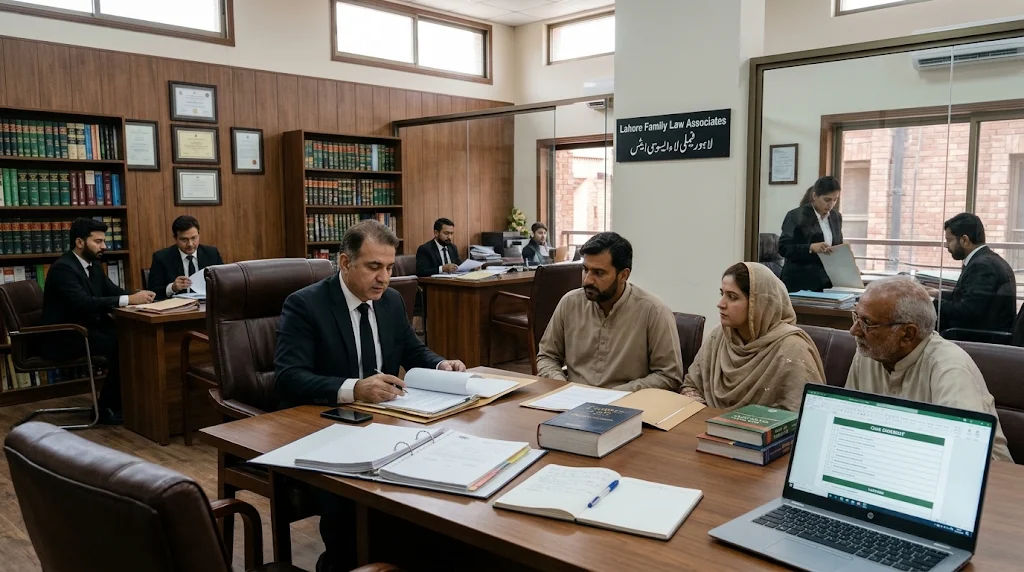
Preparing a family case involves more than simply submitting an application to court. It requires reviewing the circumstances, collecting supporting documents, identifying relevant legal provisions, preparing witnesses, and developing a clear legal strategy. Family Lawyer Lahore plays an important role in organizing these elements and helping clients understand each stage of the legal process.
In Lahore, family matters are generally handled under the Family Courts Act, 1964, along with applicable amendments and other relevant Pakistani laws. Each case has different circumstances, so preparation must reflect the client's particular needs, available evidence, and desired legal outcome. Proper preparation can reduce confusion, prevent avoidable mistakes, and help present a convincing case before the family court.
Client's Family Dispute
The first step in preparing a family case is understanding the client's situation. A lawyer begins by discussing the dispute, identifying the main concerns, and determining what legal action may be appropriate.
Family disputes can involve several different matters, including:
-
Divorce and dissolution of marriage.
-
Khula proceedings.
-
Child custody and guardianship.
-
Child and spousal maintenance.
-
Recovery of unpaid dower.
-
Recovery of dowry articles.
-
Visitation rights.
-
Disputes involving personal belongings and marital property.
A lawyer must understand whether the client wants to initiate legal proceedings, respond to an existing claim, or resolve a disagreement through an appropriate settlement.
During the initial consultation, Family Lawyer Lahore usually asks questions about the marriage, family relationships, children, financial arrangements, and previous discussions between the parties.
This information provides a foundation for deciding how the case should proceed.
Identifying the Main Legal Issues
Not every family dispute requires the same legal approach. For example, a child custody case focuses heavily on the child's welfare, whereas a maintenance dispute requires information about financial needs and available resources.
The lawyer separates the client's concerns into individual legal issues. This makes it easier to determine which claims should be included in the proceedings.
Identifying these issues early also helps prevent important matters from being overlooked.
Understanding the Client's Objectives
A successful legal strategy should reflect the client's actual objectives.
Some clients want to obtain maintenance for their children. Others may seek custody arrangements, dissolution of marriage, or recovery of their financial entitlements.
Family Lawyer Lahore discusses realistic legal outcomes and explains the possible challenges associated with each option.
The lawyer should also clarify that court decisions depend on applicable law, evidence, and the circumstances of the case rather than promises of a particular result.
Reviewing Documents and Collecting Evidence
Document collection is one of the most important parts of family case preparation. Supporting documents help establish important facts and provide the court with reliable information.
A lawyer identifies which documents are relevant and checks whether the available records support the client's claims.
Common documents include:
-
Marriage registration certificate or Nikahnama.
-
Computerized National Identity Card copies, where appropriate.
-
Children's birth certificates or B-Forms.
-
School records.
-
Medical documents relevant to the dispute.
-
Financial records and income information.
-
Bank statements where relevant.
-
Receipts for household or dowry items.
-
Previous court orders.
-
Relevant written communication between the parties.
The required documents depend on the type of family case.
Checking the Nikahnama and Marriage Records
In marital disputes, the Nikahnama can provide important information about the marriage.
It may contain details regarding dower, agreed conditions, and other relevant marital arrangements.
Family Lawyer Lahore carefully reviews the document to understand the rights and obligations that may arise from its contents.
If a dispute concerns unpaid dower, the lawyer examines the relevant entries and available supporting evidence.
Where the original document is unavailable, the lawyer can advise the client about obtaining an appropriate certified record from the relevant registration authority.
Organizing Financial Evidence
Financial information can be especially important in maintenance proceedings.
The lawyer may review salary slips, employment records, business income information, bank statements, and other relevant documents.
For a person seeking maintenance, evidence of regular household expenses, children's education costs, healthcare needs, and other necessary expenses can help explain the financial requirements.
The purpose is to present an accurate financial picture rather than relying on unsupported estimates.
Preserving Relevant Communication
Written communication may help establish the history of a dispute.
Messages, emails, notices, and other relevant records can provide context about financial responsibilities, child arrangements, or previous attempts to resolve disagreements.
A lawyer reviews such material carefully and considers whether it is legally relevant and appropriately obtained.
Documents should remain authentic and complete. Altering messages, creating false records, or presenting misleading information can seriously damage a case.
Preparing the Legal Case and Identifying Applicable Laws
After reviewing the client's circumstances and documents, the lawyer begins developing the legal foundation of the case.
This involves identifying the relevant legal provisions and determining how they apply to the facts.
In Lahore, family proceedings are primarily governed by the Family Courts Act, 1964, as applicable in Punjab, together with relevant procedural rules and other applicable legislation.
Different disputes require different legal considerations.
Selecting the Appropriate Legal Remedy
A lawyer first determines what type of legal proceeding is suitable.
For example, a person seeking dissolution of marriage may require a dissolution or khula proceeding, depending on the circumstances.
A parent seeking financial support for a child may need to pursue a maintenance claim.
Similarly, a dispute over a child's living arrangements may require custody or guardianship proceedings.
Family Lawyer Lahore evaluates the available legal remedies and explains their requirements before recommending the next step.
Understanding Family Court Jurisdiction
Jurisdiction determines whether a particular court has legal authority to hear a dispute.
The lawyer considers the applicable territorial jurisdiction and the nature of the claim.
This is important because filing a case before an inappropriate court can create unnecessary procedural complications.
The lawyer also reviews whether another proceeding or existing court order may affect the proposed case.
Developing a Clear Legal Argument
A strong legal argument connects the relevant facts with the applicable law.
For instance, a maintenance claim may require an explanation of the claimant's relationship with the person responsible for support, the financial needs involved, and other relevant circumstances.
A custody matter may require information about the child's welfare, education, health, routine, and family environment.
The lawyer organizes these details so that the court can understand the dispute without unnecessary confusion.
Drafting the Plaint or Written Statement
Legal drafting is another essential stage of family case preparation.
A plaint is the document through which a plaintiff formally presents a claim before the court. A written statement is generally filed by the defendant in response to the claims.
Both documents should explain the relevant facts clearly and accurately.
Preparing the Plaint
The plaint generally includes important information such as:
-
Names and relevant details of the parties.
-
Background of the dispute.
-
Important dates and events.
-
Legal grounds for the claim.
-
Details of the relief requested.
-
Relevant supporting documents.
-
Information about proposed witnesses.
Under Section 7 of the Family Courts Act, 1964, a plaint must contain material facts relating to the dispute and include the required witness schedule.
Documents relied upon by the plaintiff and available in their possession should also be handled according to the applicable filing requirements.
Family Lawyer Lahore carefully checks the draft to ensure that the claims are properly explained and that the requested relief is clearly stated.
Preparing a Written Statement
When a person receives a family court notice, they may need to submit a written statement responding to the plaintiff's allegations.
The lawyer reviews the plaint and identifies which statements are admitted, disputed, or require clarification.
The response should address the relevant allegations instead of providing unrelated personal arguments.
Supporting documents and witness information should also be organized where required.
A timely and properly prepared written statement is important because procedural deadlines can affect the defendant's opportunity to present a defence.
Including All Relevant Claims
Some family disputes involve several related issues.
For example, a dissolution of marriage case may also involve claims relating to dower, maintenance, dowry articles, personal belongings, child custody, and visitation.
Section 7 of the Family Courts Act provides for the inclusion of specified related claims in a dissolution suit.
Family Lawyer Lahore reviews these possibilities to determine which claims are legally appropriate and should be presented together.
Preparing Witnesses and Supporting Statements
Witnesses can help explain important events and support the facts presented in a family case.
However, not every person connected with a family dispute is necessarily a useful witness.
The lawyer identifies individuals who have direct knowledge of relevant events and can provide reliable information.
Selecting Relevant Witnesses
Potential witnesses may include people who have personal knowledge of:
-
Important family arrangements.
-
Financial support and expenses.
-
Relevant agreements or discussions.
-
A child's educational or living circumstances.
-
Events directly connected with the dispute.
The lawyer considers what each witness can genuinely establish.
Witnesses should never be encouraged to provide invented statements or repeat information they do not personally know.
Explaining Court Procedures to Witnesses
Many people have limited experience with court proceedings.
A lawyer can explain the general process, the importance of truthful answers, and the need to respond clearly to questions.
This preparation helps witnesses understand their responsibilities without influencing their testimony.
Family Lawyer Lahore also reviews whether documents or other supporting material are needed to clarify a witness's statement.
Reviewing Evidence Before the Hearing
Before evidence is presented, the lawyer checks that the available material is organized and relevant.
This may involve arranging documents chronologically, identifying missing information, and preparing a summary of important facts.
Proper organization makes it easier to refer to evidence during court proceedings.
Preparing for Child Custody and Maintenance Cases
Child-related disputes require particular care because their consequences can affect a child's daily life, education, and emotional well-being.
Courts consider the welfare of the child when deciding custody and related matters.
A lawyer therefore focuses on the child's circumstances rather than treating custody as a simple disagreement between parents.
Understanding the Child's Best Interests
A custody case may involve several considerations, including:
-
The child's age and individual needs.
-
Educational arrangements.
-
Healthcare requirements.
-
Existing living conditions.
-
Emotional well-being.
-
The ability of each parent to provide appropriate care.
-
Relevant family circumstances.
Family Lawyer Lahore helps organize information that may assist the court in understanding these factors.
The lawyer also explains that custody decisions depend on the child's welfare and applicable law, not simply on which parent makes a particular demand.
Preparing a Maintenance Claim
Maintenance proceedings require a clear explanation of financial needs and responsibilities.
A lawyer may organize information about school fees, medical expenses, clothing, food, housing, and other necessary costs.
Where available, financial records can help establish the relevant circumstances.
The amount of maintenance is determined by the court after considering applicable law and the evidence presented.
Addressing Visitation Arrangements
When parents live separately, maintaining an appropriate relationship between the child and both parents may become an important issue.
A lawyer can help prepare a reasonable visitation proposal.
This may include suitable meeting arrangements, holidays, communication, and other practical considerations.
The proposed arrangement should prioritize the child's safety, stability, and overall welfare.
Preparing for Pre-Trial Proceedings
After the plaint is filed and the defendant responds, the family court proceeds according to the applicable procedure.
The pre-trial stage is particularly important because the court reviews the parties' positions and identifies the issues requiring attention.
Under Section 10 of the Family Courts Act, the court examines the plaint, written statement, relevant evidence summaries, and documents.
The court may also hear the parties and their lawyers.
Reviewing the Main Disagreements
Family Lawyer Lahore prepares by reviewing the disputed facts and identifying the matters that require the court's consideration.
For example, in a maintenance dispute, the disagreement may concern the amount of support or the financial circumstances of the parties.
In a custody matter, the main issue may involve the child's living arrangements or visitation schedule.
Identifying these disagreements helps keep the proceedings focused.
Considering Reconciliation or Settlement
Family courts may attempt to facilitate compromise or reconciliation where appropriate.
This can provide an opportunity for parties to resolve certain disagreements without continuing through every stage of contested proceedings.
A lawyer explains the possible advantages and legal consequences of settlement.
However, a settlement should be voluntary and should not involve pressure, threats, or unfair conditions.
In dissolution proceedings, the court follows the applicable statutory procedure concerning reconciliation and the passing of a decree if reconciliation fails.
Preparing for Evidence and Court Hearings
If the dispute cannot be resolved at the pre-trial stage, the court may identify the points requiring determination and proceed with evidence.
This stage allows the parties to present their supporting material and explain their respective positions.
Organizing Documentary Evidence
A lawyer arranges relevant records so that they can be presented in an understandable manner.
Documents may include official certificates, financial statements, educational records, receipts, and other material connected with the dispute.
Family Lawyer Lahore checks that the documents correspond with the facts stated in the pleadings.
This helps avoid contradictions and unnecessary delays.
Preparing for Cross-Examination
Cross-examination allows questions to be asked about a witness's statement.
A lawyer reviews the evidence and identifies areas that may require clarification.
The purpose is to test the reliability and relevance of the information presented.
A lawyer may also prepare the client for questions about dates, financial arrangements, family circumstances, and other important matters.
Clients should always answer truthfully and avoid guessing when they do not know something.
Maintaining Courtroom Professionalism
Family proceedings can involve sensitive personal matters.
A lawyer helps clients understand the importance of respectful communication and following court instructions.
Clear answers, organized documents, and appropriate courtroom conduct contribute to a more orderly hearing.
Reviewing Possible Challenges Before Filing
Good preparation includes identifying potential weaknesses before the case reaches court.
A lawyer should not focus only on the client's strongest arguments. It is equally important to consider possible objections and missing evidence.
Identifying Missing Documents
A missing marriage certificate, incomplete financial record, or unavailable supporting document may create difficulties.
The lawyer identifies these problems early and advises the client about obtaining relevant records.
Checking Inconsistent Information
Differences between written statements, documents, and oral accounts may raise questions about credibility.
Family Lawyer Lahore compares the available information and asks for clarification where necessary.
Correcting genuine errors through appropriate legal procedures is preferable to allowing confusion to continue.
Understanding Procedural Requirements
Family cases involve filing requirements, court notices, hearing dates, and deadlines.
The lawyer checks the relevant procedural requirements and advises the client about their responsibilities.
This is particularly important when responding to an existing case because failure to comply with court directions may affect the proceedings.
How to Choose the Right Family Lawyer in Lahore
Choosing suitable legal representation is an important decision.
A person should consider more than advertising claims or promises of quick results.
The lawyer's experience, communication style, professional conduct, and understanding of family law are important factors.
Consider Relevant Experience
Look for a lawyer who regularly handles the type of family dispute involved.
Experience with custody cases may be useful for a parent seeking visitation arrangements, while knowledge of maintenance and dower disputes may be important in financial claims.
Evaluate Communication
A good lawyer should explain legal procedures in understandable language.
Clients should feel comfortable asking questions about documents, deadlines, possible outcomes, and professional fees.
Family Lawyer Lahore should provide realistic explanations rather than guaranteeing a particular judgment.
Discuss Fees and Responsibilities
Before engaging a lawyer, discuss professional fees and the services included.
Ask about consultation charges, drafting costs, court appearances, and other possible expenses.
A clear understanding of responsibilities can prevent misunderstandings later.
Conclusion
Preparing a family case requires careful planning, accurate documentation, legal knowledge, and a clear understanding of the client's objectives. From the first consultation to the presentation of evidence, every stage contributes to how effectively a dispute is presented before the family court.
A properly prepared case begins with understanding the facts and identifying the appropriate legal remedy. Document collection, review of marriage records, financial evidence, witness preparation, and accurate legal drafting help establish a reliable foundation. Pre-trial preparation and an organized approach to hearings further support the presentation of the case.
Family Lawyer Lahore helps clients understand these procedures and navigate family disputes through the appropriate legal channels. Whether the matter involves divorce, khula, child custody, maintenance, dower, dowry articles, or visitation rights, professional legal guidance can make the process more understandable and organized.
It is equally important for clients to participate actively in their cases. Providing complete information, keeping relevant documents safe, attending hearings, and following legal advice can help prevent avoidable difficulties. Clients should also understand that family proceedings require patience because the time and outcome of each case depend on its individual circumstances.
Ultimately, effective family case preparation is about presenting accurate facts, following the law, and helping the court understand the issues that require a decision. With appropriate legal guidance and responsible preparation, individuals can approach family court proceedings with greater confidence and a clearer understanding of their rights and responsibilities.
About the Author