QR codes have become an important part of modern digital communication. Businesses, marketers, educators, restaurants, and individuals use them to share information quickly and conveniently.
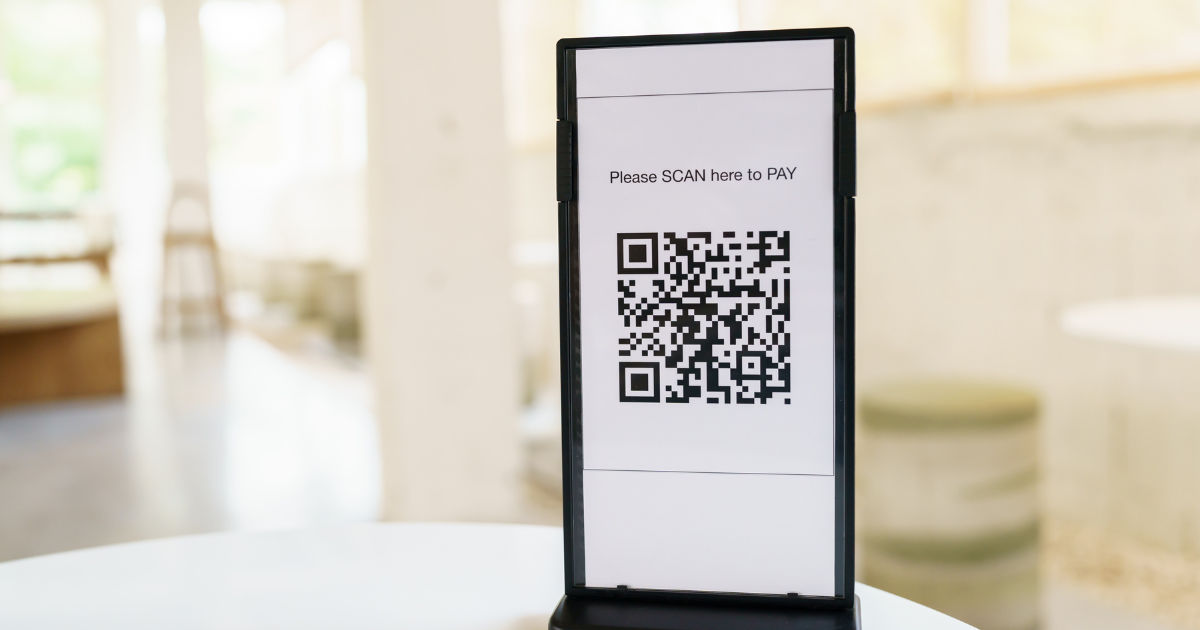
A qr code generator is one of the easiest tools for creating these digital codes, but many users wonder whether they can export the final QR code as a PNG file for printing, sharing, or professional use.
The short answer is yes. Most modern QR code creation tools allow users to download their generated codes as PNG images. PNG is one of the most popular file formats because it maintains image quality, supports transparent backgrounds, and works well across different devices and platforms.
Understanding how PNG exports work, why this format is useful, and how to choose the right settings can help you create better-quality QR codes for personal or business needs.
What Is a QR Code Generator?
A QR code generator is an online or software-based tool that creates QR codes from different types of information. Users can convert text, website links, contact details, payment information, Wi-Fi passwords, and other data into a scannable pattern.
When someone scans the generated QR code using a smartphone camera or QR scanning app, the encoded information becomes available instantly.
Most QR code creation tools follow a simple process:
- Enter the information you want to encode.
- Customize the design if needed.
- Generate the QR code.
- Download or export the final image.
The export feature is especially important because users often need to place QR codes on websites, posters, product packaging, business cards, menus, or social media posts.
Can QR Code Generator Export PNG Files?
Yes, a qr code generator can usually export PNG files. PNG (Portable Network Graphics) is a common image format supported by almost every device, editing program, and online platform.
When you create a QR code, the tool converts the generated pattern into an image file. PNG is often offered as a default download option because it provides a good balance between quality and file size.
A PNG export allows users to:
- Save the QR code permanently on their device.
- Add it to documents and presentations.
- Print it on marketing materials.
- Upload it to websites.
- Edit it using image software.
- Share it through messaging platforms.
Unlike some compressed image formats, PNG keeps the QR code details sharp, which is important because scanners need clear patterns to read the code correctly.
Why PNG Is a Popular QR Code Export Format
Not every image format is equally suitable for QR codes. The small square patterns inside a QR code require accuracy and clarity. A low-quality image can make scanning difficult.
PNG is popular because of several advantages.
Maintains High Image Quality
PNG uses lossless compression. This means the image quality does not decrease when the file is saved.
For QR codes, this is extremely useful. The small black and white squares remain clear, helping smartphones recognize the pattern easily.
A blurry QR code may fail during scanning, especially when printed or displayed from a distance.
Supports Transparent Backgrounds
Many PNG files can include transparent backgrounds. This feature is useful when placing QR codes over different designs.
For example, a company may want to place a QR code on a branded brochure without adding a visible white box around it.
Works With Most Applications
PNG files are widely supported. You can open them using:
- Web browsers
- Microsoft Office programs
- Graphic design software
- Mobile photo applications
- Website editors
This makes PNG a convenient option for both beginners and professionals.
Suitable for Printing
Although QR codes are often used digitally, many are printed on physical materials.
PNG files usually maintain enough quality for:
- Flyers
- Posters
- Product labels
- Business cards
- Event tickets
- Restaurant menus
For very large professional printing projects, vector formats may be preferred, but PNG works well for most everyday uses.
How to Export a QR Code as a PNG File
The exact steps depend on the tool you use, but the general process is similar across most platforms.
Create Your QR Code
First, open your preferred QR creation tool.
Enter the information you want to share. This could include:
- A website URL
- A phone number
- An email address
- Social media profile links
- Product details
- Payment information
After entering the details, generate the QR code.
Select the PNG Option
After the QR code appears, look for download or export options.
Common file choices may include:
- PNG
- JPG
- SVG
- EPS
Choose PNG if you need a standard image file.
Download and Save the File
Click the download button and save the image to your computer or mobile device.
It is recommended to keep the original PNG file stored safely. If you need the QR code again later, you will not have to recreate it.
Are All QR Code PNG Exports the Same Quality?
No. The quality of exported PNG files can vary depending on the tool and settings.
Several factors influence the final result.
Image Resolution
Resolution determines how large and clear the QR code appears.
A small QR code may work well on a smartphone screen but become difficult to scan when printed.
For printing purposes, choose a higher-resolution PNG whenever possible.
QR Code Size
The physical size of the QR code matters.
A tiny QR code may be difficult for cameras to detect, especially in poor lighting conditions.
A larger QR code generally provides better scanning performance.
Error Correction Level
QR codes include error correction features that allow them to remain readable even if part of the design is damaged.
Higher error correction levels can improve reliability but may slightly increase the complexity of the QR pattern.
A good QR creation tool allows users to adjust these settings before exporting.
PNG vs Other QR Code Export Formats
While PNG is widely used, it is not the only available option. Different formats serve different purposes.
PNG vs JPG
JPG files are common for photographs because they reduce file size through compression.
However, JPG compression can create small distortions around edges. For QR codes, this may reduce scanning accuracy.
PNG is usually the better choice because it keeps sharp lines and clear patterns.
PNG vs SVG
SVG is a vector format that can be resized without losing quality.
It is often preferred for:
- Large posters
- Professional printing
- Branding materials
- Graphic design projects
However, PNG is easier for everyday users because it works with more basic applications.
PNG vs PDF
PDF files are useful when combining QR codes with documents or print layouts.
For example, businesses may create a PDF brochure containing multiple QR codes.
However, if you only need the QR image itself, PNG is usually simpler.
How Businesses Use PNG QR Code Files
Businesses frequently export QR codes as PNG images because they are easy to integrate into marketing materials.
Common uses include:
Product Packaging
Companies place QR codes on packaging to provide:
- Product instructions
- Warranty information
- Customer reviews
- Usage guides
A clear PNG export ensures customers can scan the code easily.
Digital Marketing
Businesses add QR codes to:
- Social media graphics
- Email campaigns
- Online advertisements
PNG files work well because they can be placed directly into digital designs.
Restaurant Menus
Many restaurants use QR codes for digital menus.
A PNG QR code can be printed on tables, signs, or promotional materials.
Event Management
Event organizers use QR codes for:
- Ticket verification
- Registration
- Guest information
- Digital invitations
A high-quality PNG file helps ensure fast scanning at busy locations.
Common Problems When Exporting QR Codes as PNG
Although exporting is usually simple, users may experience some issues.
Low-Quality Image
A small or compressed PNG may not scan properly.
The solution is to export a larger image or increase the resolution settings.
Incorrect QR Code Information
Before downloading, always test the QR code.
If the encoded information is incorrect, you will need to generate a new one.
Poor Color Choices
Custom designs can sometimes affect scanning.
Avoid using colors with low contrast. A QR code should maintain a clear difference between the pattern and background.
Editing Mistakes
Heavy editing after exporting can damage the QR structure.
Avoid stretching, cutting, or changing the QR pattern.
Tips for Creating Better PNG QR Codes
To create reliable QR codes, follow these practical tips:
Keep Strong Contrast
Traditional black-and-white QR codes are the easiest for scanners to read.
If you customize colors, make sure the contrast remains high.
Leave Enough Empty Space
QR codes need a clear border area around them, known as the quiet zone.
Do not place text or graphics too close to the edges.
Test Before Sharing
Always scan your exported PNG before using it publicly.
Testing helps identify problems before customers or users encounter them.
Store the Original File
Keep the original PNG file in a safe location.
This makes future updates and reuse easier.
Is PNG the Best Choice for Every Situation?
PNG is an excellent choice for many situations, but it is not always the perfect option.
For simple online sharing, social media, websites, and small print projects, PNG works very well.
However, professional designers working on large banners or commercial printing may prefer vector formats such as SVG because they can scale images without losing quality.
The best format depends on how and where the QR code will be used.
Future of QR Code Export Technology
QR code technology continues to improve. Modern tools now offer more customization options, including:
- Logo integration
- Custom colors
- Advanced designs
- Multiple export formats
- Higher resolution downloads
As QR codes become more common in payments, marketing, and digital services, reliable export options will remain important.
A quality qr code generator helps users create codes that are not only attractive but also functional across different devices and platforms.
Conclusion
A QR code generator can export PNG files, and this format is one of the most practical choices for saving and sharing QR codes. PNG files provide clear image quality, compatibility with many applications, and reliable performance for both digital and printed uses.
Whether you are creating a QR code for a personal project, business campaign, restaurant menu, product label, or event, exporting it as a PNG file makes the process simple and convenient.
Choosing the correct size, maintaining good contrast, testing the code, and avoiding unnecessary editing are important steps for creating a QR code that works properly.
For most users, PNG offers the right combination of quality, flexibility, and ease of use. While other formats like SVG and PDF have their own advantages, PNG remains one of the most widely supported and beginner-friendly options available.
A properly exported QR code can help people access information quickly, improve customer experiences, and connect physical materials with digital content in an efficient way.
About the Author