Finding the right Quran teacher for children is an important decision for Muslim parents. Families want their children to learn the Quran correctly, understand Islamic values, develop good manners, and build a positive connection with their faith. However, choosing a suitable tutor can sometimes be challenging, especially for families living in countries where Muslim communities are smaller or geographically spread out. This is particularly relevant for parents looking for Islamic education opportunities in Finland.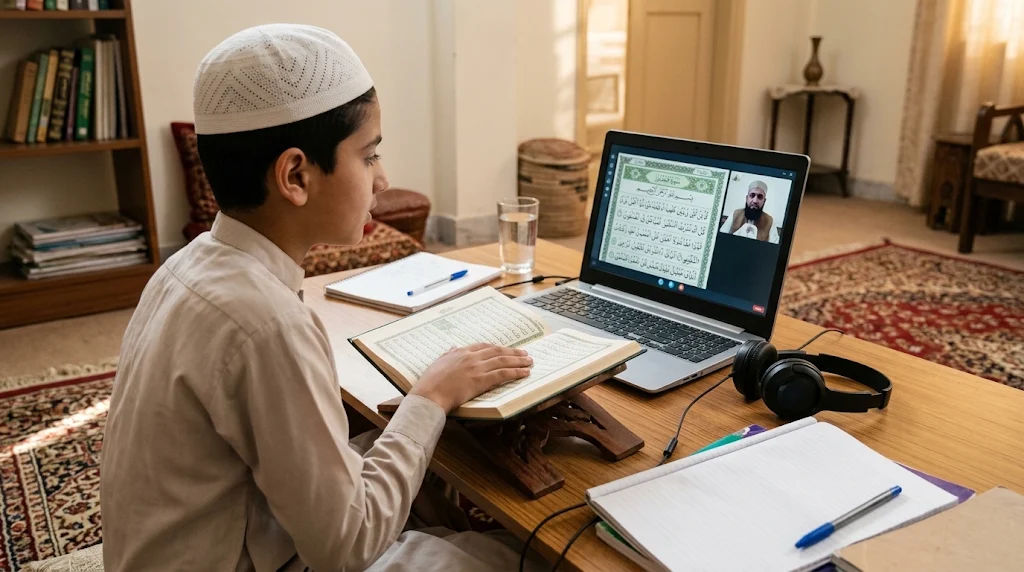
One common question parents ask is whether female teachers are available for children who want to study the Quran. The answer is yes. quran lessons for kids in finland can absolutely include female tutors, particularly through online Quran academies and private Islamic learning programmes. Female teachers can provide structured lessons in Quran reading, Tajweed, memorisation, and basic Islamic studies while creating a comfortable learning environment for young students.
Parents may prefer female tutors for several reasons, including personal comfort, teaching experience, communication style, and their children's individual learning needs. Some families also appreciate having a teacher who understands the importance of patience and encouragement when introducing religious education to younger learners.
Understanding how female Quran tutors work, what they teach, and how parents can select a suitable instructor makes the learning process easier. This guide explores the benefits, teaching methods, lesson structures, and important considerations for families interested in Quran education in Finland.
Why Female Quran Tutors Are an Option for Children in Finland
Female Quran tutors play an important role in Islamic education around the world. They teach children how to read the Quran, pronounce Arabic letters correctly, understand basic Islamic principles, and develop consistent learning habits.
Families in Finland can access female tutors through local Islamic communities, private teachers, and online Quran academies. Online education has made it easier for parents to find instructors who match their children's educational needs without depending entirely on teachers available in their immediate neighbourhood.
Female Teachers Can Provide Personalised Attention
Every child learns differently. Some children understand new concepts quickly, while others need additional explanations and regular practice.
Female Quran tutors can provide individual attention by adjusting lesson speed, teaching methods, and exercises according to each student's ability.
For example, a beginner may need several lessons to recognise Arabic letters, while another student may already know the alphabet and want to improve pronunciation.
Personalised teaching helps children progress without feeling pressured to match another student's learning speed.
Parents Can Choose According to Their Preferences
Islamic education should reflect a family's values and expectations. Some parents prefer female teachers because they feel more comfortable with this arrangement.
Others may simply want to give their children access to different teaching styles.
There is no requirement that every child must study with a female tutor. The most important considerations are the teacher's qualifications, teaching ability, professionalism, and suitability for the child.
What Do Female Quran Tutors Teach Children?
Female Quran tutors can teach a wide range of subjects. The exact programme depends on the child's age, existing knowledge, and educational goals.
A structured course usually begins with basic reading skills before progressing towards more advanced Quranic studies.
Arabic Alphabet and Basic Reading
Children who have never studied Arabic usually begin by learning the Arabic alphabet.
They become familiar with individual letters, their sounds, and their different forms when they appear at the beginning, middle, or end of a word.
Teachers use repetition, visual materials, pronunciation exercises, and simple reading activities to make lessons easier.
After recognising the letters, children learn how to combine them into syllables and words.
This foundation is essential because accurate Quran reading depends on recognising and pronouncing Arabic letters correctly.
Quran Reading Practice
Once children understand the alphabet, tutors introduce Quranic reading.
Students gradually learn to recognise familiar words, read short verses, and improve their fluency.
Teachers may begin with simple passages before introducing longer sections.
Regular practice is important because reading becomes easier when children develop familiarity with Arabic words and sentence patterns.
Female tutors can also identify common mistakes and provide individual corrections during lessons.
Tajweed Rules
quran lessons for kids in finland teaches students how to recite the Quran correctly according to established pronunciation rules.
Children gradually learn concepts such as:
-
Correct pronunciation of Arabic letters.
-
Basic characteristics of letters.
-
Proper elongation of sounds.
-
Rules of Noon Sakinah and Tanween.
-
Appropriate stopping and starting points.
-
Clear and accurate Quranic recitation.
A qualified teacher should introduce these rules according to the student's age and understanding.
Young beginners do not need to memorise every technical rule immediately. Practical examples and repeated recitation usually make Tajweed easier to understand.
Quran Memorisation
Many parents want their children to memorise selected Quranic chapters.
Female tutors can organise memorisation lessons using short passages, regular revision, and manageable learning targets.
Students may begin with shorter Surahs and gradually progress as their confidence improves.
Revision is especially important because memorised passages need regular practice to remain familiar.
A good teacher balances new memorisation with reviewing previously learned verses.
Benefits of Choosing a Female Quran Tutor
Female Quran tutors can offer several advantages, depending on their qualifications and teaching approach.
Parents should consider their child's personality, learning preferences, and educational requirements before making a decision.
A Comfortable Learning Environment
Some children feel more comfortable learning with a female instructor.
This may be particularly true for families who prefer female teachers for religious education.
A comfortable environment can help children ask questions, participate in discussions, and communicate when they do not understand something.
However, comfort depends on the individual teacher and student rather than gender alone.
Parents should look for an instructor who treats children respectfully and communicates patiently.
Better Understanding of Children's Learning Needs
Teaching young learners requires more than Quranic knowledge.
Teachers must understand how children develop reading skills, maintain concentration, and respond to encouragement.
Experienced female tutors may use storytelling, repetition, interactive exercises, and positive feedback to maintain interest.
These methods can make Quran lessons more engaging and easier to follow.
Consistent Communication With Parents
Communication between teachers and parents is an important part of successful Islamic education.
Parents need to understand what their children are learning, which areas require improvement, and whether the teaching programme is suitable.
A professional female tutor can provide regular progress updates and discuss learning goals with parents.
This creates a stronger connection between home learning and formal lessons.
How Do Online Quran Lessons Work in Finland?
Finland has families living in different cities and communities. Finding a suitable local Quran teacher may not always be convenient.
Online learning provides another option.
Through video conferencing, children can attend individual or group lessons from home.
These programmes can make quran lessons for kids in finland more accessible to families who cannot regularly travel to an Islamic centre.
Live Video Classes
Most online Quran programmes use live video sessions.
Students communicate directly with their teachers, read Quranic passages, listen to pronunciation examples, and receive corrections.
This arrangement allows teachers to monitor progress and explain difficult concepts immediately.
Parents should check whether the academy uses a reliable learning platform and provides appropriate privacy arrangements.
Flexible Lesson Timings
Finland follows a different time zone from many countries where online Quran academies operate.
This makes scheduling an important consideration.
Parents should confirm that the teacher can offer lesson times that fit the family's daily routine.
For schoolchildren, lessons after school or during suitable weekend periods may be more convenient.
During different seasons, families should also consider changes in daylight and daily schedules.
Individual and Group Classes
Online Quran education commonly offers two learning arrangements.
Individual classes: One teacher works with one student. This allows personalised instruction and direct feedback.
Group classes: Several children learn together. Students may benefit from shared activities and listening to other learners.
Individual lessons can be useful for children who need additional pronunciation support. Group lessons may suit students who enjoy learning alongside others.
Parents should compare both arrangements before selecting a programme.
How to Choose the Right Female Quran Tutor
Choosing a Quran teacher requires careful consideration.
Parents should not select an instructor simply because lessons are inexpensive or available at convenient times.
The quality of education and the child's learning experience should remain the main priorities.
Check Quranic Knowledge and Qualifications
A suitable Quran tutor should have a strong understanding of Quranic reading and the subjects they teach.
Parents can ask whether the instructor has completed formal Quran education, studied Tajweed, or received relevant teaching qualifications.
If memorisation is part of the programme, parents may also ask about the teacher's experience with Hifz instruction.
A qualified instructor should be able to explain teaching methods clearly and answer basic questions about the curriculum.
Evaluate Teaching Experience
Experience working with children is particularly valuable.
Teaching adults and teaching young learners require different approaches.
Children may need shorter explanations, additional repetition, visual examples, and regular encouragement.
Parents should ask whether the teacher has experience teaching students of similar ages.
A trial lesson can help families understand how the instructor communicates and manages the class.
Consider Language Skills
Language can influence how easily children understand Quran lessons.
Some families in Finland speak Finnish at home, while others use English, Urdu, Arabic, Somali, or other languages.
A tutor who can explain concepts in a language the child understands may make lessons more effective.
However, children should still receive appropriate Arabic pronunciation instruction because Quran reading requires familiarity with Arabic sounds.
Look for Patience and Professionalism
Children need a respectful environment where mistakes are treated as part of learning.
A good teacher corrects errors without embarrassing students.
Parents should observe whether the tutor listens carefully, provides understandable explanations, and maintains suitable classroom behaviour.
Professionalism also includes punctuality, appropriate communication, and respect for family expectations.
What Should Children Learn at Different Ages?
The right Quran curriculum depends partly on a child's age and previous knowledge.
A programme should introduce new concepts gradually rather than expecting every child to achieve the same results.
Quran Education for Younger Children
Younger learners generally benefit from simple and engaging activities.
Their lessons may include:
-
Recognising Arabic letters.
-
Listening to Quran recitation.
-
Learning basic Islamic expressions.
-
Practising short Arabic sounds.
-
Memorising short Surahs.
-
Developing familiarity with Islamic manners.
Teachers should use age-appropriate explanations and allow children enough time to practise.
Quran Education for Primary School Children
Primary school students may be ready for more structured learning.
Their programme can include Arabic reading, basic Tajweed, short Surah memorisation, and introductory Islamic studies.
Teachers can also introduce simple explanations of selected Quranic passages.
The goal is to develop reading confidence while helping children understand the importance of the Quran.
Quran Education for Older Children
Older children may be prepared for more advanced lessons.
They can improve Quranic fluency, study additional Tajweed rules, memorise longer passages, and explore basic Quranic meanings.
At this stage, teachers can encourage students to ask questions and develop independent revision habits.
How Much Time Should Children Spend on Quran Lessons?
The appropriate lesson schedule depends on the child's age, concentration, school responsibilities, and learning goals.
Consistency is usually more useful than long, irregular study sessions.
For example, a family may arrange several short lessons during the week rather than expecting a young child to complete a lengthy session in one day.
A practical learning routine might include:
|
Learning activity |
Suggested approach |
|---|---|
|
Live Quran lesson |
20–30 minutes for younger beginners |
|
Reading practice |
5–10 minutes |
|
Memorisation |
A small passage at a manageable pace |
|
Revision |
Regular review of previous lessons |
|
Parent involvement |
Occasional progress discussions |
These are general examples rather than strict requirements.
Parents should adjust the schedule according to the child's comfort and the teacher's recommendations.
How Can Parents Support Quran Learning at Home?
Parents play an important role in developing positive learning habits.
Even when children attend professional online classes, support at home can improve their educational experience.
Create a Quiet Study Space
Children need a comfortable place where they can concentrate.
A quiet room or suitable corner with a computer, headphones, and Quran learning materials can make online lessons easier.
Parents should minimise unnecessary distractions during class time.
Good lighting and a comfortable seating arrangement can also support better concentration.
Encourage Regular Revision
Revision helps children remember previously learned material.
Parents can encourage short practice sessions between lessons.
They do not need to provide advanced Quranic instruction themselves. Listening to the child read and encouraging regular practice can already be helpful.
For pronunciation corrections, children should follow their qualified teacher's guidance.
Celebrate Learning Progress
Children often become more motivated when their efforts are recognised.
Parents can appreciate improvements in reading, memorisation, and lesson participation.
Progress should not be measured only by the number of Surahs memorised.
Developing confidence, understanding, and a positive attitude towards learning are equally important.
Important Considerations for Muslim Families in Finland
Families looking for quran lessons for kids in finland should consider several practical factors before enrolling their children.
Finland has its own educational environment, daily routines, and child-protection expectations. Online Quran academies and private tutors should respect these circumstances.
Child Safety and Online Privacy
Online education requires appropriate safeguards.
Parents should check how the academy protects children's personal information and manages video lessons.
Important considerations include:
-
Clear communication policies.
-
Appropriate teacher-student interaction.
-
Parent involvement in scheduling and supervision.
-
Secure online learning arrangements.
-
Transparent policies for recording lessons.
-
A clear process for raising concerns.
Parents should know who is teaching their child and how lessons are supervised.
For younger children, a parent or responsible adult should remain appropriately involved in online learning.
Respect for Finnish School Schedules
Children living in Finland usually have schoolwork, hobbies, family activities, and other responsibilities.
Quran classes should fit comfortably into their daily routine.
Parents should avoid arranging so many activities that children become overwhelmed.
A balanced schedule allows students to develop both academic and religious knowledge.
Understanding Different Cultural Backgrounds
Muslim families in Finland come from different cultural and linguistic backgrounds.
Some children may already understand Arabic, while others may be learning it for the first time.
Teachers should respect these differences and avoid assuming that every student has the same religious education or language background.
An inclusive teaching approach helps children feel comfortable and respected.
Common Questions About Female Quran Tutors
Parents often have similar questions when exploring Quran education for their children.
Are Female Quran Tutors Qualified to Teach Boys?
Yes. Female Quran teachers can teach boys as well as girls.
The suitability of an instructor depends on their qualifications, experience, teaching methods, and the family's preferences.
Parents can choose a teacher based on the child's educational requirements and their own comfort.
Can a Female Tutor Teach Quran Online?
Yes. Female tutors can conduct live Quran classes through online learning platforms.
Students can practise reading, receive pronunciation corrections, study Tajweed, and memorise Quranic passages remotely.
Parents should confirm the academy's teaching arrangements before enrolling.
Do Female Tutors Teach Tajweed?
Many female Quran tutors teach Tajweed.
However, their individual qualifications and teaching experience can vary.
Parents should ask whether the instructor has studied Tajweed formally and can demonstrate correct pronunciation.
Can Beginners Join Quran Classes?
Yes. Children do not need previous Arabic knowledge to begin learning.
Beginner programmes usually start with Arabic letters and basic pronunciation.
The teacher gradually introduces reading and recitation as the child develops confidence.
Are Female Quran Tutors Available Throughout Finland?
Online education makes it possible to study with female instructors without requiring them to live in the same city.
Families in Helsinki, Espoo, Tampere, Turku, Oulu, and other areas can explore online teaching options.
Availability depends on the individual academy and its instructors.
Mistakes Parents Should Avoid When Selecting a Quran Teacher
Finding the right teacher becomes easier when parents know which mistakes to avoid.
One common mistake is choosing an instructor without checking their Quranic knowledge. A friendly teaching style is valuable, but it should be supported by accurate religious instruction.
Another mistake is expecting immediate results. Children need time to recognise Arabic letters, develop pronunciation skills, and become comfortable with Quranic reading.
Parents should also avoid comparing their children with other students. Every child develops at a different pace.
Selecting a programme without considering lesson length can also create difficulties. Younger learners may struggle with sessions that are too long.
Finally, parents should not ignore communication. A teacher who provides regular updates can help families understand whether the programme is meeting their expectations.
Conclusion
Female Quran tutors are an excellent option for families who prefer their children to receive Islamic education from a female instructor. They can teach Arabic reading, Quran recitation, Tajweed, memorisation, and basic Islamic studies through structured and age-appropriate programmes.
For Muslim families living in Finland, online education provides additional flexibility. Children can learn from qualified female instructors without travelling long distances or depending entirely on local teaching opportunities. This makes quran lessons for kids in finland accessible to families living in different cities and communities.
However, choosing the right teacher requires more than simply finding someone who offers female-led classes. Parents should carefully evaluate Quranic knowledge, teaching experience, communication skills, lesson flexibility, and child-safety arrangements.
It is also important to choose a programme that respects children's school schedules and individual learning abilities. A supportive teacher should encourage questions, correct mistakes patiently, and help students develop confidence in Quran reading.
Parents can make the experience more successful by providing a quiet study environment, encouraging regular revision, and communicating with the instructor about learning progress.
Ultimately, the purpose of Quran education is not simply to complete lessons or memorise passages. It is to help children develop a meaningful connection with the Quran, appreciate Islamic teachings, and build positive learning habits that can continue throughout their lives.
With an experienced female tutor, suitable teaching methods, and consistent family support, children in Finland can enjoy a rewarding and accessible Quran learning experience.
About the Author