
Access to medical equipment can make a significant difference in a patient's recovery, comfort, and overall quality of life. Whether someone is recovering from surgery, managing a long-term illness, or caring for an elderly family member, having the right equipment at home can make daily care easier and safer. However, using medical devices without understanding their operation can create unnecessary risks. This is why proper guidance is an important part of renting healthcare equipment.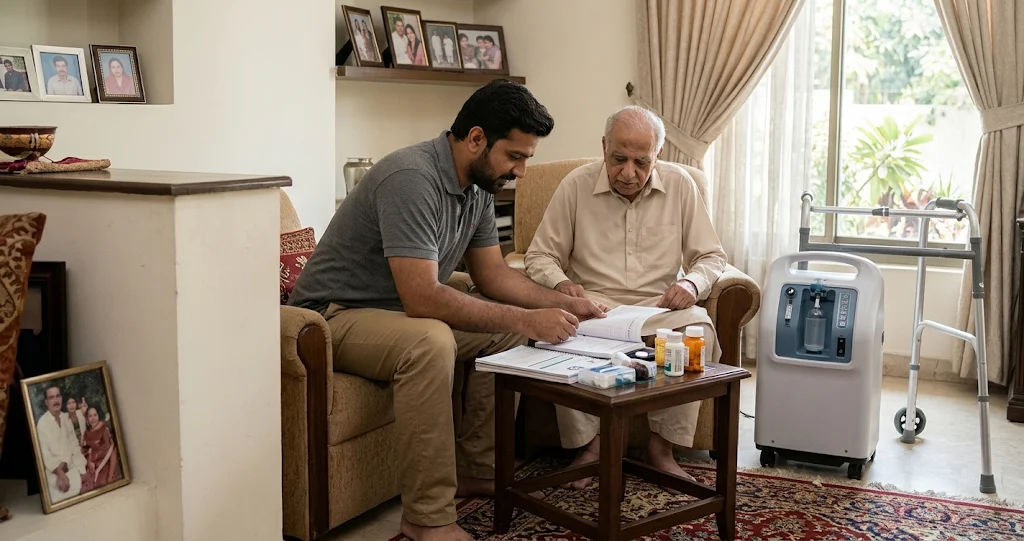
Many families wonder whether Medical Equipment Rental In Lahore services provide instructions when delivering equipment to patients. The answer is generally yes. Reputable rental providers commonly offer basic operating instructions, demonstrations, safety information, and maintenance guidance. The level of support may vary depending on the equipment, rental company, and patient's individual requirements.
Understanding how to operate equipment correctly is just as important as selecting the right device. From hospital beds and wheelchairs to oxygen concentrators and patient monitors, every medical device has specific operating requirements. Proper instructions help patients, caregivers, and family members use rented equipment confidently.
This comprehensive guide explains what instructions rental providers may offer, which equipment requires demonstrations, what questions customers should ask, and how to ensure safe equipment use at home.
Why Are Instructions Important When Renting Medical Equipment?
Medical equipment is designed to support patient care, but incorrect operation can lead to discomfort, equipment damage, or safety problems. Instructions help users understand how a device works and how to operate it according to its intended purpose.
For example, a hospital bed may have adjustable controls for raising the head section, changing mattress positions, and adjusting bed height. Someone unfamiliar with these functions might struggle to position a patient comfortably.
Similarly, an oxygen concentrator requires an understanding of its power supply, tubing connections, filters, and prescribed settings.
When choosing Medical Equipment Rental In Lahore, customers should consider whether the provider explains the equipment before handing it over.
Helping Patients Feel More Comfortable
Patients may already feel anxious about using unfamiliar medical devices. Receiving clear instructions can reduce uncertainty and make the experience more comfortable.
A demonstration allows patients and caregivers to see how the equipment works before using it independently.
This is particularly important for elderly individuals and patients who have limited mobility.
Preventing Operating Mistakes
Some medical devices have specific operating procedures that must be followed carefully.
Instructions can explain which buttons to use, how to connect accessories, and which actions should be avoided.
Understanding these details reduces the possibility of preventable mistakes.
Supporting Family Caregivers
Family members often become responsible for operating medical equipment after a patient returns home from the hospital.
Proper guidance helps caregivers understand their responsibilities and recognize when professional assistance is necessary.
It also makes everyday activities, such as transferring patients or adjusting hospital beds, more manageable.
What Types of Instructions Do Rental Providers Usually Give?
The instructions provided depend on the equipment being rented and the company's service arrangements.
Some devices require only a short demonstration, while others need more detailed operating guidance.
Reliable Medical Equipment Rental In Lahore providers may offer several types of assistance.
Equipment Operating Demonstrations
An operating demonstration is one of the most useful forms of guidance.
A company representative may demonstrate how to switch on the equipment, adjust its settings, attach accessories, and turn it off safely.
For example, when delivering a wheelchair, the representative might explain:
-
How to apply and release the brakes.
-
How to fold and unfold the wheelchair.
-
How to adjust footrests.
-
How to position the patient safely.
-
How to navigate doorways and ramps.
These demonstrations help users understand the equipment before regular use.
Written User Instructions
Some rental providers supply instruction manuals or printed operating information.
These documents explain the equipment's functions, safety precautions, cleaning requirements, and basic troubleshooting procedures.
Written instructions are particularly helpful because caregivers can refer to them whenever they forget a particular step.
Customers should ask whether the original manufacturer's manual is available with the rented device.
Safety Guidelines
Medical equipment must be used according to appropriate safety requirements.
Providers may explain weight limits, electrical precautions, positioning requirements, and general handling instructions.
For example, a hospital bed should be placed on a stable surface, and its wheels should be locked when appropriate.
Similarly, electrical equipment should be connected to a suitable power supply.
Cleaning and Maintenance Information
Rental equipment is commonly used by different customers over time. Therefore, cleaning and maintenance are essential.
A provider may explain which surfaces can be cleaned, which cleaning products are suitable, and how frequently particular components should be inspected.
Users should never apply chemicals or cleaning methods that could damage sensitive medical equipment.
Which Medical Equipment Requires Detailed Instructions?
Not every medical device requires the same level of training. Some equipment is relatively straightforward, while other devices require careful operation and professional supervision.
Here are several common rental categories where proper instructions are especially important.
Hospital Beds
Hospital beds are commonly rented for patients recovering from surgery, elderly individuals, and people with limited mobility.
These beds may include adjustable head and foot sections, side rails, height controls, and electric positioning systems.
A rental provider should demonstrate:
-
How to operate the control panel.
-
How to adjust the bed's height.
-
How to raise and lower the head section.
-
How to position the foot section.
-
How to use safety rails correctly.
-
How to lock the wheels.
Caregivers should also learn how to position patients without causing unnecessary strain or discomfort.
Wheelchairs
Wheelchairs support patients who cannot walk comfortably or independently.
Although manual wheelchairs may appear simple, proper operation is important for patient safety.
Instructions should cover braking, transferring patients, footrest positioning, folding mechanisms, and safe movement.
Caregivers should understand how to secure the wheelchair before helping someone sit down or stand up.
They should also avoid pushing wheelchairs over unsuitable surfaces or steep slopes without appropriate assistance.
Oxygen Concentrators
Oxygen concentrators are used to provide supplemental oxygen to patients when prescribed by a qualified healthcare professional.
These devices require more careful instructions than many basic mobility products.
A representative may explain how to connect the tubing, switch on the machine, identify alarms, and clean accessible filters according to the manufacturer's instructions.
However, oxygen flow settings must follow the patient's medical prescription.
Rental companies should not independently determine or change a patient's oxygen requirements.
Caregivers should also receive guidance about oxygen-related fire risks. Smoking, open flames, and sparks must be kept away from oxygen equipment.
Patient Monitors
Patient monitors can display important health measurements, including heart rate, oxygen saturation, and blood pressure, depending on the model.
Users may need instructions on sensor placement, cable connections, screen readings, alarms, and basic cleaning.
It is important to understand that monitor readings do not automatically provide a medical diagnosis.
Unexpected readings or concerning symptoms should be discussed with a healthcare professional.
Nebulizers
Nebulizers are commonly used to deliver prescribed medication in the form of a mist.
A rental provider may demonstrate how to assemble the medication chamber, connect the tubing, attach the mask or mouthpiece, and clean the device.
Patients should follow their prescribed medication instructions and avoid changing dosages without medical advice.
How Does the Instruction Process Work During Equipment Delivery?
Understanding the delivery process helps customers prepare for receiving rented equipment.
Most professional rental arrangements involve several basic steps, although the exact procedure depends on the provider.
Step 1: Understanding the Patient's Requirements
The first step is identifying which equipment the patient needs.
Customers should explain whether the equipment is intended for temporary recovery, long-term home care, mobility assistance, or another medical purpose.
A healthcare professional can help determine the appropriate device.
The rental provider may ask about the patient's home environment, available space, and equipment requirements.
Step 2: Selecting Suitable Equipment
After understanding the requirements, the provider can explain the available equipment options.
Customers should ask about different models, important features, weight limits, accessories, and operating requirements.
Choosing suitable equipment helps prevent problems during everyday use.
Step 3: Equipment Delivery and Setup
Depending on the rental agreement, the provider may deliver the equipment directly to the patient's home.
Some devices require assembly or installation before use.
For example, an electric hospital bed may need its frame, mattress, side rails, and electrical controls checked before operation.
Customers should ask whether installation and initial setup are included in the rental price.
Step 4: Demonstration and Instructions
Once the equipment is ready, the representative may explain its basic functions.
Caregivers should pay attention and practise simple operating steps when appropriate.
It is also useful to ask the representative to repeat complicated instructions.
Step 5: Final Safety Check
Before accepting the equipment, customers should inspect its condition.
Check that the device operates correctly, accessories are included, and electrical connections are secure.
Any visible damage or missing components should be reported immediately.
What Should Customers Ask Before Renting Medical Equipment?
Asking the right questions can prevent misunderstandings and help families choose a reliable provider.
When comparing Medical Equipment Rental In Lahore services, customers should not focus exclusively on rental prices.
The quality of instructions and after-rental assistance can also make a considerable difference.
Is Training Included in the Rental Price?
Some companies may include basic demonstrations as part of their delivery service.
Others may have separate charges for installation, technical support, or additional training.
Customers should clarify these details before confirming their booking.
Will the Instructions Be Easy to Understand?
Technical language can be confusing for people who have never used medical equipment.
Ask whether the representative can explain the controls in simple language.
If multiple family members will operate the device, it is helpful for everyone involved in patient care to attend the demonstration.
Is a User Manual Available?
A user manual provides an additional source of information after delivery.
It can explain operating procedures, maintenance requirements, warnings, and troubleshooting steps.
Customers should request the manual whenever possible.
Is Technical Support Available?
Equipment may stop working properly during the rental period.
Ask whether the company provides telephone assistance, repair services, or replacement equipment.
It is also important to understand how quickly technical problems are normally addressed.
What Happens If the Equipment Develops a Fault?
A rental agreement should explain who is responsible for equipment repairs and replacement.
Customers should understand whether damaged components are covered and how faults should be reported.
Clear arrangements help prevent confusion during emergencies.
Can Rental Providers Teach Caregivers to Use Equipment?
Yes, some rental providers offer basic caregiver demonstrations as part of their delivery or customer support services.
However, there is an important difference between learning how to operate equipment and receiving professional medical training.
A company representative may explain how to adjust a hospital bed or operate a wheelchair.
However, they may not be qualified to teach complex clinical procedures, administer medication, or provide specialized nursing care.
Basic Caregiver Training
Basic demonstrations may cover:
-
Operating equipment controls.
-
Adjusting patient positioning.
-
Using mobility accessories.
-
Cleaning equipment safely.
-
Recognizing common warning indicators.
-
Identifying basic operational problems.
These instructions can make home care more organized.
When Professional Training Is Necessary
Certain medical situations require guidance from qualified healthcare professionals.
For example, caregivers assisting patients with complex respiratory conditions, feeding tubes, or advanced wound care may need specialized training.
The rental provider can explain the equipment, but medical procedures should be taught by appropriately qualified professionals.
Families should consult the patient's doctor or nurse when additional training is needed.
How to Use Rented Medical Equipment Safely at Home
Receiving instructions is only the first step. Safe equipment use also requires regular attention and responsible handling.
Follow the Manufacturer's Instructions
Always use the device according to its official operating manual.
Avoid experimenting with unfamiliar controls or making unauthorized modifications.
If something is unclear, contact the rental provider or a qualified professional.
Keep Equipment Clean
Cleaning requirements depend on the type of equipment.
Frequently touched surfaces, such as wheelchair handles and hospital bed controls, should be cleaned appropriately.
Devices used for respiratory care may have additional cleaning requirements.
Always follow the manufacturer's recommendations.
Check Equipment Before Use
Inspect equipment regularly for visible damage, loose connections, unusual sounds, or malfunctioning controls.
For electrical devices, check cables and plugs for signs of damage.
Do not continue using equipment that appears unsafe.
Maintain a Suitable Home Environment
Medical equipment should be placed in an appropriate location.
Hospital beds need sufficient surrounding space, while wheelchairs require clear pathways.
Electrical devices should have access to suitable power outlets without creating tripping hazards.
Keep Emergency Information Accessible
Caregivers should know whom to contact if the equipment stops working.
Keep the rental company's contact information and relevant medical emergency numbers accessible.
For urgent medical symptoms, seek professional medical assistance rather than relying on equipment troubleshooting.
What If the Rental Provider Does Not Give Instructions?
Not every company provides the same level of customer support.
Some may offer detailed demonstrations, while others may simply deliver the equipment.
If instructions are not provided, customers should request them before using the device.
Do not assume that equipment is safe to operate simply because it has been delivered and installed.
Request a Practical Demonstration
Ask the company representative to demonstrate the basic functions.
For complicated equipment, request an explanation of controls, alarms, accessories, and safety precautions.
If necessary, record the demonstration for future reference, provided the representative agrees.
Ask for the Manufacturer's Manual
If the provider cannot explain a particular function, request the official manual.
It is better to consult reliable operating information than to guess how a device works.
Contact a Qualified Healthcare Professional
For medical questions, consult the patient's doctor, nurse, or another appropriately qualified healthcare professional.
This is especially important when equipment settings affect treatment.
Consider Another Rental Provider
If a company refuses to explain basic equipment operation or cannot provide reasonable support, consider another provider.
Customer guidance is an important consideration when selecting medical equipment for home use.
Benefits of Choosing a Rental Provider That Offers Instructions
Selecting a company that explains equipment operation can provide several advantages.
Greater Confidence for Patients
Patients can become more comfortable when they understand how their equipment works.
This can make everyday activities less stressful and support greater independence where appropriate.
Better Caregiver Preparedness
Caregivers who receive practical demonstrations may feel more prepared to assist patients.
They can understand basic equipment functions and avoid common operating mistakes.
Reduced Equipment Damage
Incorrect handling can damage medical devices.
Proper instructions help users understand how to adjust, clean, transport, and store equipment correctly.
This may also help prevent unnecessary repair costs.
More Convenient Home Care
When patients and caregivers know how to use their equipment, daily routines can become more organized.
They may spend less time trying to understand unfamiliar controls and more time focusing on patient comfort.
Better Customer Support Experience
A provider that explains equipment operation and provides contact information demonstrates a stronger commitment to customer service.
This can be especially valuable when families are renting equipment for the first time.
How to Choose a Reliable Medical Equipment Rental Company in Lahore
Finding a suitable rental company requires more than comparing advertisements.
Customers should evaluate the equipment, service quality, safety procedures, and support arrangements.
Check Equipment Condition
Ask whether the equipment is inspected, serviced, and cleaned between rentals.
Devices should be in suitable working condition and supplied with the necessary accessories.
Compare Rental Terms
Understand the rental duration, security deposit, delivery charges, and maintenance arrangements.
Ask whether the rental period can be extended if the patient needs the equipment for longer than expected.
Evaluate Customer Service
A reliable provider should answer questions clearly and explain the rental process.
Customers should feel comfortable requesting demonstrations and asking about safety requirements.
Confirm Delivery and Installation
Some medical devices require professional installation.
Confirm whether transportation, setup, and initial testing are included in the service.
Understand Replacement Policies
Ask what happens if the equipment develops a technical fault.
A clear replacement and repair policy can help families avoid unnecessary interruptions in patient care.
Consider the Availability of Different Equipment
Patients may require several types of equipment during recovery.
Choosing a provider with a suitable range of products can make it easier to arrange additional equipment when necessary.
Conclusion
Yes, medical equipment rental companies in Lahore can provide instructions to help customers understand how to operate their rented devices. However, the availability and level of guidance depend on the company, equipment type, and rental agreement. Some providers offer practical demonstrations, written manuals, safety information, and basic maintenance guidance, while others may provide more limited assistance.
Choosing a reliable Medical Equipment Rental In Lahore provider should involve more than finding affordable equipment. Customers should also consider whether the company explains the equipment properly, demonstrates important functions, and offers assistance when technical problems arise.
Different devices require different levels of instruction. Wheelchairs and hospital beds may need demonstrations covering positioning, adjustment, and safe handling. Oxygen concentrators, patient monitors, and nebulizers require additional attention because incorrect operation can interfere with their intended medical use.
Families should remember that equipment demonstrations are not a substitute for professional medical training. Rental representatives can explain how devices work, but treatment decisions, medication instructions, and clinical procedures should remain under the guidance of qualified healthcare professionals.
Before renting any device, ask about operating instructions, manufacturer manuals, cleaning requirements, installation, technical support, and replacement policies. Make sure caregivers understand the equipment and know what to do if it stops functioning correctly.
Ultimately, the right rental provider combines suitable equipment with clear communication and dependable customer support. When patients and caregivers understand how to use rented medical devices safely, home healthcare becomes more manageable, organized, and comfortable.
About the Author