
Bathroom remodeling is an excellent way to improve a home's comfort, functionality, appearance, and value. However, before starting a renovation, homeowners need to understand the local building requirements. One of the most common questions is whether permits are necessary for bathroom renovation projects.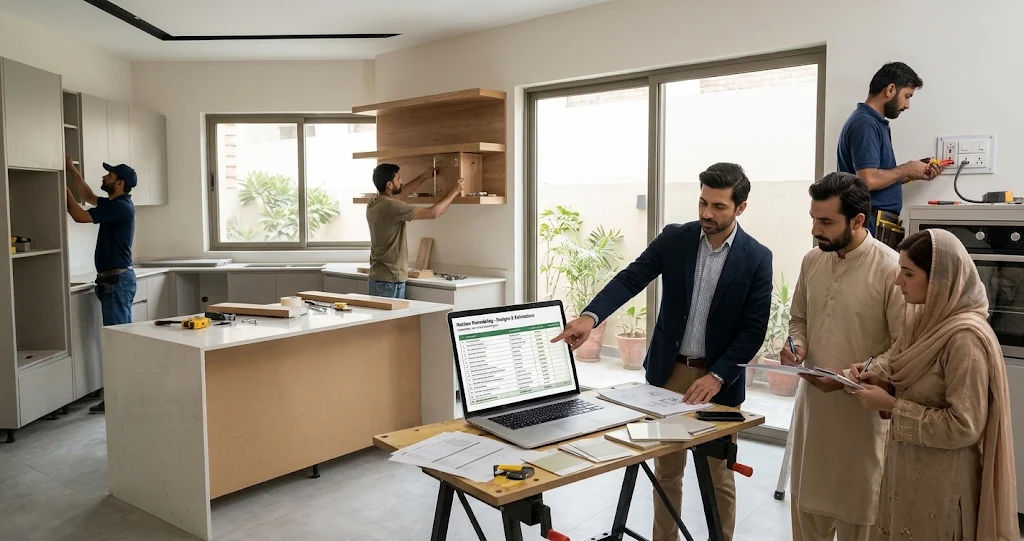
In Massachusetts, building regulations help ensure that home improvement work meets safety standards. These rules cover important areas such as plumbing, electrical systems, ventilation, structural changes, and construction quality. Understanding them before hiring a contractor can prevent unexpected expenses and delays.
For homeowners planning bathroom remodeling waltham ma, knowing when permits are required is particularly important. Some small cosmetic improvements may not require a building permit, while projects involving plumbing changes, electrical upgrades, or structural modifications generally require official approval or permits under the applicable regulations.
The important thing is to identify the type of work involved before purchasing materials or beginning construction. A properly planned renovation protects the homeowner, supports safety, and helps ensure that the finished bathroom complies with local requirements.
Bathroom Remodeling Permit Requirements in Waltham
A permit is an official approval issued by the local building department. It confirms that proposed construction or renovation work has been reviewed under applicable building regulations.
In Waltham, the Building Department oversees the enforcement of state and local codes involving construction, remodeling, alterations, and repairs. Its published application requirements specifically include kitchen and bathroom replacements and renovations.
This means homeowners should not assume that a bathroom renovation is automatically exempt from permits simply because it takes place inside an existing home. The exact requirements depend on the work being performed.
Why Are Permits Important?
Permits serve several important purposes during a home improvement project.
1. Protecting household safety
Bathrooms contain electrical connections, water pipes, drainage systems, and ventilation equipment. Incorrect installation can create safety hazards and cause expensive property damage.
Permits and inspections help ensure that regulated work follows applicable standards.
2. Ensuring code compliance
Building codes establish minimum requirements for construction materials, plumbing installations, electrical systems, and structural modifications.
A permitted renovation provides an opportunity for local officials to review the work and identify problems before the project is completed.
3. Protecting property value
Future buyers may ask whether previous renovations were completed with the necessary approvals. Having appropriate permits and inspection records can make the property's renovation history easier to verify.
4. Avoiding future complications
Unpermitted construction can create difficulties during property sales, insurance claims, inspections, or future renovation projects.
Following the correct approval process helps homeowners avoid unnecessary complications.
Which Bathroom Renovations Require Permits?
Not every improvement has the same permit requirements. Some cosmetic updates may qualify as ordinary repairs, while substantial alterations generally require approval.
Waltham's published requirements list kitchen and bathroom work as a category requiring a building permit application and supporting documentation. Homeowners should therefore confirm the classification of their particular project with the Building Department before construction begins.
PERMIT APPLICATION REQUIREMENTS+1
Cosmetic Bathroom Improvements
Cosmetic improvements generally involve changing the appearance of a bathroom without modifying its essential systems or structure.
Examples may include:
-
Painting bathroom walls and ceilings.
-
Replacing decorative accessories.
-
Installing new mirrors.
-
Updating towel bars and cabinet handles.
-
Replacing certain surface finishes.
-
Making minor decorative improvements.
Ordinary repairs are generally exempt from building permits under Massachusetts building regulations. However, the exemption does not automatically cover work involving regulated plumbing, electrical systems, ventilation, or structural components.
LII / Legal Information Institute+1
When planning cosmetic improvements, homeowners should describe the complete scope of work to the local building officials rather than relying on assumptions.
Plumbing Changes and Bathroom Permits
Plumbing is one of the most important considerations during a bathroom renovation.
A project may involve replacing a sink, installing a new shower, changing drainage arrangements, or moving water supply lines. These activities can fall under Massachusetts plumbing regulations.
A plumbing permit may be required when the work involves:
-
Installing a new bathtub.
-
Relocating a toilet.
-
Moving a shower drain.
-
Changing water supply connections.
-
Installing new plumbing fixtures.
-
Modifying drainage or waste pipes.
-
Making substantial plumbing alterations.
Massachusetts generally requires plumbing work to be performed by an appropriately licensed plumber with the required local permits. Minor repairs, such as fixing a leaking faucet or clearing a blocked drain, may be exempt.
mass.gov+1
For homeowners, the important distinction is between minor maintenance and work that changes or installs plumbing systems.
Electrical Work During Bathroom Renovations
Electrical improvements also require careful attention.
Modern bathrooms often include lighting, exhaust fans, electrical outlets, heated flooring, and other electrical equipment.
Changing existing electrical arrangements or installing new electrical components may require an electrical permit and inspection.
Examples include:
-
Installing additional outlets.
-
Adding new lighting circuits.
-
Relocating electrical switches.
-
Installing heated flooring.
-
Adding electrical connections for bathroom equipment.
-
Modifying wiring.
-
Installing new ventilation equipment with electrical connections.
Waltham's Wires Department handles electrical inspections within the city. Its published permit requirements include a completed Massachusetts electrical permit application, a valid electrical license, and proof of liability coverage.
Waltham, MA+1
Using qualified professionals helps ensure that electrical improvements are handled according to applicable requirements.
Structural Changes and Building Approval
Some bathroom renovations involve more than replacing fixtures or finishes.
For example, homeowners may want to enlarge a bathroom, remove a wall, change a doorway, or modify the floor structure.
These changes can affect the building's structural stability and other safety requirements.
A building permit is generally required for substantial alterations, including significant wall removal or modifications involving structural beams and load-bearing supports.
LII / Legal Information Institute+1
Before starting this type of renovation, homeowners should discuss the proposed layout with the Building Department and determine whether architectural or engineering plans are necessary.
How to Apply for a Bathroom Remodeling Permit in Waltham MA
Obtaining the appropriate permits becomes easier when homeowners understand the application process.
Waltham provides permit application information through its Building Department. Its published requirements explain which documents may be needed for different types of construction and renovation work.
Step 1: Identify the Scope of Your Renovation
Begin by creating a detailed list of the improvements you want to make.
Consider whether the project involves:
-
Replacing bathroom fixtures.
-
Installing a new bathtub or shower.
-
Changing plumbing locations.
-
Updating electrical wiring.
-
Replacing bathroom flooring.
-
Modifying walls.
-
Installing new ventilation.
-
Expanding the bathroom.
The more detailed the project description, the easier it becomes to determine which permits and inspections may apply.
For example, replacing a bathroom vanity without changing its plumbing connections is different from relocating the sink and installing new water supply and drainage lines.
Step 2: Contact the Waltham Building Department
Before purchasing materials or scheduling construction, contact the local Building Department.
Explain your renovation plans and ask which approvals are required.
The department can help clarify whether your project needs a building permit, plumbing permit, electrical permit, or additional approvals.
The city lists its Building Department at Government Center, 119 School Street, Room 25, Waltham, Massachusetts 02451.
Its published telephone number is 781-314-3275.
Building Department+1
Step 3: Prepare the Required Documents
Waltham's published permit requirements identify several documents that may be needed for bathroom renovation applications.
bathroom remodeling waltham ma and bathroom replacements, the city lists:
-
A completed and signed permit application.
-
Signatures from the property owner and applicable construction professionals.
-
Workers' compensation documentation or insurance information, where applicable.
-
A homeowner exemption form when the work is performed by the owner.
-
Waste debris information, including the dumpster company's name and address.
-
Applicable Construction Supervisor License and Home Improvement Contractor documentation.
-
Scaled plans showing the existing and proposed layouts.
-
Room labels, dimensions, and materials being used.
The city may require additional information depending on the project.
PERMIT APPLICATION REQUIREMENTS+1
Preparing accurate documents helps the department understand the proposed work.
Step 4: Submit the Application
Once the documents are ready, submit the application according to the Building Department's current procedures.
Homeowners should verify accepted submission methods before visiting the office because municipal application procedures can change.
The application should contain accurate information about the property, renovation scope, estimated construction cost, and responsible contractors.
Incomplete paperwork can delay the review process.
Step 5: Pay the Applicable Permit Fees
Permit fees depend on the type of approval and the scope of the project.
Waltham publishes residential building permit fees of $12 per $1,000 of estimated construction cost, with a $50 minimum. Plumbing and electrical permits have separate fee schedules.
Homeowners should confirm the applicable charges for each permit before beginning work.
Waltham, MA+2
Step 6: Wait for Approval Before Construction
One important rule is to obtain required permits before beginning regulated construction work.
Do not assume that submitting an application means permission has already been granted.
Wait until the appropriate approvals have been issued. Your contractor should also understand the conditions attached to each permit.
Step 7: Arrange Required Inspections
Certain renovation activities require inspections at specific stages.
For example, plumbing and electrical work may need to be inspected before walls or ceilings are closed.
Building inspections may also be required for structural modifications or other permitted construction.
Your contractor should coordinate inspection schedules with the relevant city departments.
Inspections help confirm that the completed work follows the approved plans and applicable safety requirements.
What Documents Are Needed for Bathroom Remodeling?
Documentation is an important part of the permit application process. The exact requirements depend on the size and complexity of the renovation.
Renovation Plans and Layout Drawings
A bathroom renovation plan should clearly explain the existing arrangement and the proposed design.
It may include:
-
Bathroom measurements.
-
Locations of sinks, toilets, and showers.
-
Door and window positions.
-
Plumbing fixture locations.
-
Electrical components.
-
Ventilation arrangements.
-
Materials being used.
For larger renovations, professional drawings may be necessary to demonstrate that the proposed changes meet applicable building requirements.
Contractor Information
When hiring a contractor, homeowners should verify that the professional has the appropriate qualifications and insurance.
Waltham's application requirements identify applicable Construction Supervisor License and Home Improvement Contractor documentation.
Homeowners should also understand who will be responsible for obtaining permits and arranging inspections.
Waste Disposal Information
Bathroom renovations often produce construction debris, including old tiles, damaged cabinets, plumbing materials, and flooring.
Waltham includes waste debris information in its published bathroom and kitchen permit application requirements.
Providing the requested disposal information helps ensure that the project follows local administrative requirements.
Does Hiring a Contractor Make the Permit Process Easier?
Hiring an experienced remodeling contractor can make the renovation process more manageable.
Professional contractors often understand local building requirements and know how to coordinate different aspects of a bathroom renovation.
However, homeowners should never assume that hiring a contractor automatically guarantees permit compliance.
Contractors Understand Local Requirements
Experienced contractors can help identify which parts of a renovation require permits.
They can also explain whether the project needs building plans, plumbing approvals, electrical permits, or additional inspections.
Their experience can reduce confusion during the planning stage.
Contractors Can Coordinate Different Professionals
A bathroom renovation may involve several professionals, including:
-
General remodeling contractors.
-
Licensed plumbers.
-
Licensed electricians.
-
Tile installation specialists.
-
Flooring professionals.
-
Ventilation specialists.
Coordinating these professionals helps ensure that different parts of the renovation are completed in the correct order.
Contractors Help Manage Inspections
Inspections can become complicated when multiple types of work are involved.
A knowledgeable contractor can help arrange the necessary inspections and ensure that work is ready for review.
Homeowners should request copies of permits, inspection records, and final approvals for their project documentation.
How Much Do Bathroom Remodeling Permits Cost in Waltham?
Permit costs depend on the renovation's size, estimated construction value, and the types of work involved.
For example, a renovation involving structural modifications, plumbing changes, and electrical upgrades may require several separate permits.
A smaller project may involve fewer approvals.
Building Permit Fees
Waltham publishes a residential building permit fee of $12 per $1,000 of estimated construction cost, with a minimum fee of $50.
For example, a project with an estimated construction cost of $15,000 would have a calculated building permit fee of $180, assuming the published residential fee schedule applies.
This amount does not include separate plumbing or electrical permit charges.
Waltham, MA+1
Plumbing Permit Fees
Plumbing permit costs depend on the number of fixtures and the type of work.
Waltham's published residential plumbing fee schedule lists $25 for the first fixture and $10 for each additional fixture.
Homeowners should confirm the current fee schedule and how the city classifies the proposed work before calculating their total expenses.
CivicPlus.CMS.FAQ
Electrical Permit Fees
Electrical permit costs depend on the number and type of electrical installations.
Adding outlets, lights, switches, and other electrical components may affect the applicable fee.
The Wires Department provides information about electrical permit applications, inspections, and fees.
Including permit expenses in the original renovation budget helps homeowners avoid unexpected costs.
What Happens If You Remodel a Bathroom Without Required Permits?
Starting a renovation without obtaining necessary permits can create several problems.
Even if the finished bathroom looks attractive, the work may not satisfy applicable building regulations.
Potential Inspection Problems
If unpermitted work is discovered, local officials may require additional inspections or documentation.
Depending on the situation, homeowners may need to correct problems before receiving approval.
Additional Renovation Expenses
Correcting unapproved work can increase project costs.
For example, a homeowner may need to arrange additional professional assessments or make changes to installations that do not meet code requirements.
In some situations, previously completed work may need to be exposed so that inspectors can examine it.
Complications During Property Sales
Buyers may ask about renovation permits when evaluating a property.
Missing permit records can create questions about the quality and compliance of previous improvements.
Maintaining organized renovation documents helps homeowners demonstrate that required approvals were obtained.
Insurance and Safety Concerns
Unpermitted electrical, plumbing, or structural work can create questions during insurance assessments or claims.
Although the consequences depend on the circumstances and policy terms, following applicable regulations helps protect the property and its occupants.
Common Mistakes to Avoid During Bathroom Remodeling
A successful bathroom renovation requires more than choosing attractive tiles and modern fixtures.
Homeowners should also pay attention to planning, permits, professional qualifications, and construction requirements.
Assuming Every Small Project Is Permit-Free
One common mistake is believing that all interior renovations are exempt from permits.
While ordinary repairs may be exempt, plumbing, electrical, and substantial building alterations can have separate requirements.
Always confirm the project's classification before starting work.
Hiring Contractors Without Checking Qualifications
Choosing a contractor based entirely on price can lead to problems.
Homeowners should check relevant licenses, insurance coverage, references, and previous renovation experience.
They should also ask who will apply for permits and coordinate inspections.
Changing the Renovation Plan Without Approval
Some homeowners change their renovation plans after construction begins.
For example, they may decide to move a shower, relocate a toilet, or remove a wall.
These changes can affect existing permits and may require revised plans or additional approvals.
Discuss changes with the contractor and relevant city officials before proceeding.
Ignoring Ventilation Requirements
Bathroom ventilation is important because showers and bathtubs generate moisture.
Insufficient ventilation can contribute to condensation, damaged surfaces, and mold problems.
When installing or changing an exhaust fan or ventilation arrangement, homeowners should confirm whether additional approvals and inspections are required.
Forgetting About Final Inspections
Receiving a permit does not necessarily mean that the renovation is complete from an administrative perspective.
Some projects require final inspections before they can be considered properly approved.
Keep all inspection records and final approval documents in a safe place.
How to Plan a Successful Bathroom Remodeling Project
Good planning can make bathroom renovation more organized and predictable.
Homeowners should consider both the visual design and technical requirements before construction begins.
Establish a Realistic Budget
Create a budget that includes labor, materials, fixtures, permits, and possible unexpected expenses.
It is also sensible to reserve additional funds for problems discovered after removing existing walls, flooring, or bathroom fixtures.
Older properties may require additional repairs to existing plumbing or structural components.
Choose Durable Materials
Bathroom materials should withstand regular moisture exposure and cleaning.
Popular options include ceramic tiles, porcelain tiles, moisture-resistant wall finishes, and suitable bathroom flooring.
Choose materials based on durability, maintenance requirements, and compatibility with the planned design.
Prioritize Functionality
A beautiful bathroom should also be comfortable and practical.
Consider storage, lighting, ventilation, accessibility, and available floor space.
A well-designed layout can make even a relatively small bathroom feel more organized.
Communicate With Your Contractor
Maintain regular communication throughout the renovation.
Discuss the construction schedule, material choices, permit responsibilities, and inspection arrangements.
Ask for updates whenever changes are made to the approved plans.
Clear communication helps reduce misunderstandings and keeps the project organized.
Conclusion
Understanding permit requirements is an essential part of planning a successful bathroom renovation. Although some minor cosmetic improvements and ordinary repairs may not require building permits, projects involving substantial alterations, plumbing installations, electrical modifications, or structural changes generally require appropriate approvals.
For homeowners considering bathroom remodeling waltham ma, the best approach is to understand the complete renovation scope before beginning construction. Contacting the local Building Department, preparing accurate renovation plans, and identifying the necessary permits can help prevent unnecessary delays and additional expenses.
Waltham's published requirements specifically identify kitchen and bathroom renovation applications and outline important documentation, including signed applications, scaled plans, contractor information, and waste disposal details. Homeowners should review these requirements carefully and confirm which documents apply to their individual projects.
Hiring qualified professionals is another important consideration. Experienced contractors, licensed plumbers, and licensed electricians can help ensure that the renovation is completed according to applicable regulations. Homeowners should also confirm who is responsible for obtaining permits and arranging inspections.
Budgeting for permit fees, selecting durable materials, planning proper ventilation, and maintaining clear communication with contractors can make the renovation process easier to manage.
Ultimately, a successful bathroom renovation is about more than improving appearance. It involves creating a comfortable, functional, and safe space while respecting local building requirements. By following the correct approval process and planning each stage carefully, homeowners can enjoy their renovated bathrooms with greater confidence and fewer unexpected complications.
About the Author

