
Moving to Australia for work can be an exciting opportunity, but it also raises important questions about healthcare, medical costs, and insurance. One of the most common concerns for temporary skilled workers is whether they can use Australia's public healthcare system after arriving in the country.A subclass 482 visa allows eligible skilled workers to live and work in Australia under an approved employer-sponsored arrangement, subject to the visa's conditions. 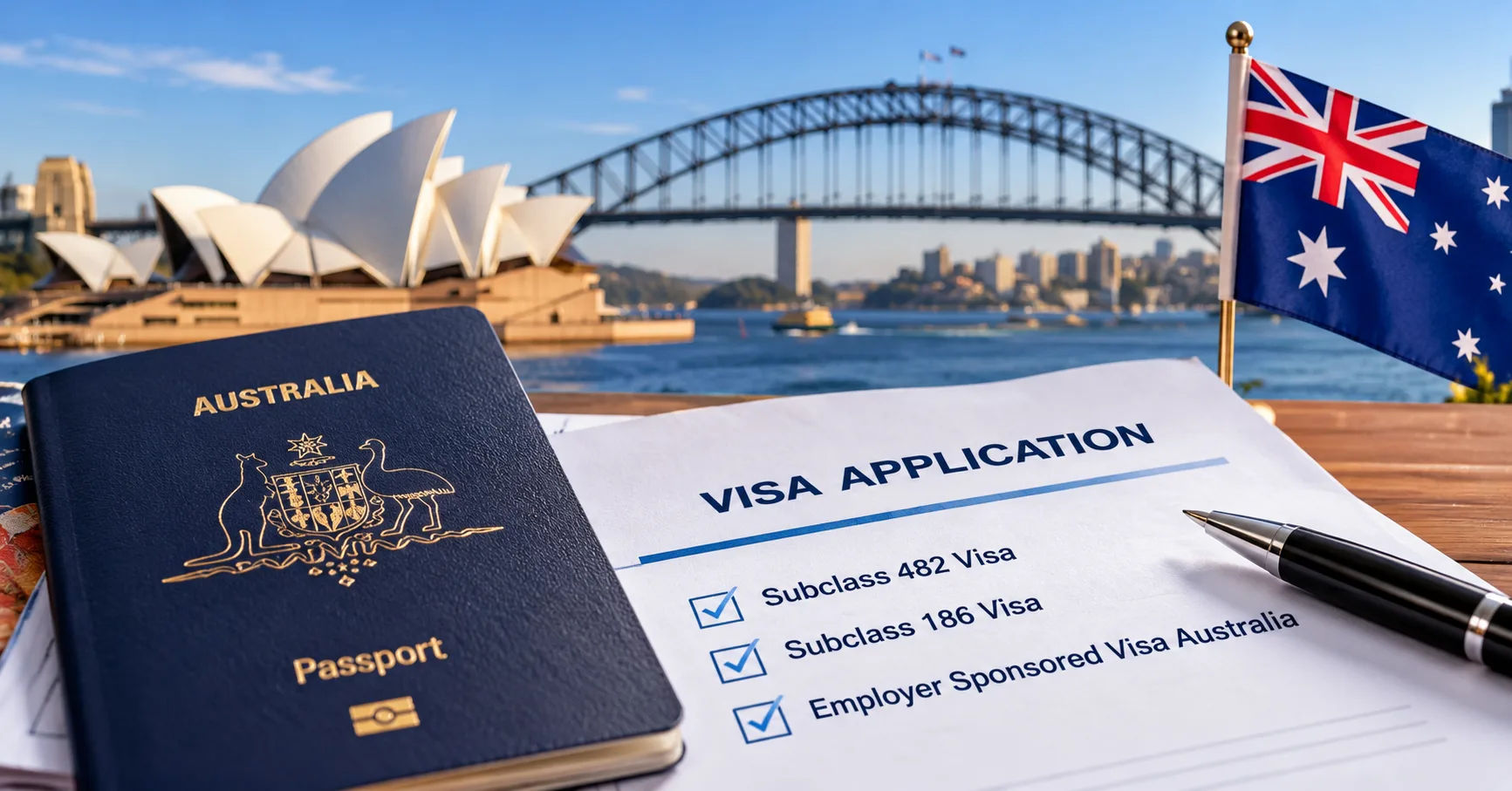 However, holding this visa does not automatically mean that you can access every healthcare service available to Australian citizens and permanent residents.
The answer to whether you can access Medicare depends on several factors, including your nationality, your visa circumstances, and whether Australia has a reciprocal healthcare agreement with your home country. Some temporary workers may qualify for limited Medicare benefits, while others must arrange private health insurance to cover medical expenses.
Understanding these rules before travelling can help you avoid unexpected bills and ensure that you have appropriate healthcare protection throughout your stay.
This guide explains how Medicare works for temporary skilled workers, which countries have reciprocal healthcare agreements with Australia, what private insurance covers, and what you should do before and after arriving in Australia.
Medicare in Australia
Medicare is Australia's publicly funded healthcare system. It helps eligible residents pay for certain medical services, including appointments with doctors, treatment in public hospitals, and some diagnostic procedures.
The system is funded mainly through taxation and the Medicare levy. However, not everyone living in Australia is automatically eligible to receive Medicare benefits.
Australian citizens and permanent residents generally have access to Medicare, provided they meet the applicable enrolment requirements. Some people holding temporary visas may also qualify under specific rules or international healthcare arrangements.
For temporary skilled workers, the most important distinction is between living in Australia legally and being eligible for Medicare. A valid visa allows you to stay under its conditions, but it does not, by itself, establish eligibility for publicly funded healthcare.
Does a Subclass 482 Visa Give You Medicare Access?
A subclass 482 visa does not automatically provide Medicare access to every visa holder. Many people on this visa are expected to maintain adequate private health insurance for the duration of their stay in Australia.
However, there are exceptions. A temporary worker may be eligible for Medicare if they meet the requirements of a relevant reciprocal healthcare agreement or another applicable eligibility category.
The distinction matters because healthcare costs in Australia can be substantial, especially when treatment involves specialists, hospital admissions, or medical procedures that are not fully covered by a person's insurance.
Before assuming that Medicare will cover your treatment, confirm your eligibility directly with Services Australia. Do not rely only on your employer's advice, your visa grant notice, or information from friends who have different nationalities or immigration circumstances.
Which Countries Have Reciprocal Healthcare Agreements With Australia?
Australia has Reciprocal Health Care Agreements (RHCAs) with certain countries. These agreements allow eligible visitors to receive specified healthcare services through Medicare during temporary stays.
The agreements are designed to provide access to medically necessary treatment in defined circumstances. They do not necessarily provide the same healthcare coverage that Australian citizens receive.
Countries with reciprocal healthcare agreements include:
-
Belgium
-
Finland
-
Italy
-
Malta
-
the Netherlands
-
New Zealand
-
Norway
-
the Republic of Ireland
-
Slovenia
-
Sweden
-
the United Kingdom
Eligibility differs between countries. For example, the rules for an eligible visitor from the United Kingdom may differ from those for an eligible visitor from Italy. Some agreements also have restrictions concerning the duration of a stay or the services covered.
Importantly, nationality and eligibility requirements matter. Simply having a passport from one of these countries does not guarantee access to every Medicare service.
If you are from Pakistan, India, China, or another country without a relevant reciprocal healthcare agreement, you should generally plan to use private health insurance unless you qualify for Medicare through another legal basis.
Check the official Services Australia website for the latest country-specific requirements before making decisions about your healthcare arrangements.
What Healthcare Services Can Medicare Cover?
If you qualify for Medicare through an applicable agreement or another eligibility category, the services available to you will depend on the relevant rules.
Visits to a General Practitioner
A general practitioner (GP) is usually the first point of contact for everyday medical concerns. GPs can assess common illnesses, prescribe medicines, provide preventive care, and refer patients to specialists when necessary.
Eligible Medicare patients may receive benefits for GP consultations. Some doctors offer bulk billing, meaning they accept the Medicare benefit as full payment for a covered service. Other doctors charge more than the Medicare benefit, leaving the patient to pay the difference.
Even when you are eligible for Medicare, you should ask the clinic about fees before booking an appointment.
Public Hospital Treatment
Medicare can help eligible patients access medically necessary treatment as public patients in public hospitals.
However, the precise services available under a reciprocal agreement depend on its terms. You should not assume that every hospital service, planned procedure, or elective treatment is covered.
Emergency treatment is particularly important to understand. Hospitals can provide emergency care when needed, but receiving treatment does not automatically mean that a person is entitled to free care. Patients who are not eligible for Medicare may receive a bill even when treated in a public hospital.
Specialist Consultations
A GP may refer you to a specialist for a more detailed assessment of a medical condition.
Eligible patients may receive Medicare benefits for certain specialist services when the applicable requirements are met. However, specialist fees can exceed the Medicare benefit, creating an out-of-pocket expense.
Private health insurance may help with some of these expenses, depending on the policy. Always confirm your coverage before agreeing to non-emergency treatment.
Prescription Medicines
Medicare eligibility does not mean that all prescription medicines are free.
Australia has a separate Pharmaceutical Benefits Scheme (PBS), which subsidises many approved prescription medicines for eligible people. Access to PBS subsidies depends on the relevant eligibility rules and the medicine prescribed.
If you are on a temporary visa, check whether you qualify for the subsidy rather than assuming your Medicare status automatically covers every medicine.
Why Private Health Insurance Is Important for Subclass 482 Visa Holders
Many temporary skilled workers need private health insurance because they cannot rely on Medicare for their medical expenses.
The Australian Department of Home Affairs states that holders of the relevant Skills in Demand visa must maintain adequate health insurance for their intended stay. The visa may carry condition 8501, which requires the holder to maintain adequate health insurance while in Australia.
For this reason, arranging suitable cover is an important part of preparing to move to Australia.
Overseas Visitor Health Cover
Overseas Visitor Health Cover (OVHC) is a type of private health insurance designed for people visiting or temporarily living in Australia.
Depending on the policy, it may help pay for:
-
Hospital accommodation and treatment
-
Certain GP consultations
-
Eligible specialist services
-
Some diagnostic tests, including blood tests and X-rays
-
Some prescription medicines
-
Emergency ambulance services, where included
Not every OVHC policy covers all these services to the same extent. Some policies have waiting periods, exclusions, benefit limits, excesses, or co-payments.
Before purchasing a policy, compare the benefits against your expected needs. A low-cost policy may satisfy some basic requirements but still leave you responsible for significant expenses.
Does Your Employer Have to Pay for Insurance?
Your employer may help arrange or pay for health insurance, depending on your employment agreement and workplace arrangements. However, you should not assume that the employer automatically covers every medical expense.
Ask your employer whether insurance is provided, which family members are included, and what happens if your employment ends.
You should also confirm whether the policy meets the requirements attached to your visa. The responsibility to comply with your visa conditions remains important even when an employer assists with insurance arrangements.
How to Check Whether You Are Eligible for Medicare
If you want to know whether you can access Medicare while holding a subclass 482 visa, take a few practical steps.
Step 1: Check Your Visa Conditions
Read your visa grant notification and check your current conditions through the Department of Home Affairs' Visa Entitlement Verification Online (VEVO) service.
Look for condition 8501 or any other condition relevant to your circumstances. If the condition applies, you must maintain adequate health insurance as required.
You can review the official guidance on visa conditions.
Step 2: Check Your Nationality and Reciprocal Agreement
Visit the Services Australia website to review the reciprocal healthcare arrangements.
Check the specific eligibility criteria for your country. Do not rely solely on a general list of countries because an agreement may cover some services but exclude others.
Step 3: Contact Services Australia
If you believe you qualify, contact Services Australia to confirm whether you can enrol in Medicare.
You may need to provide documents such as your passport, evidence of your visa status, and information demonstrating that you meet the relevant agreement's requirements.
The exact documentation depends on your circumstances. Ask what evidence is required before submitting an application.
Step 4: Keep Your Private Insurance Active
Until your Medicare eligibility and coverage are confirmed, maintain appropriate private health insurance if required by your visa.
Do not cancel an existing policy simply because you have applied for Medicare. An application is not the same as approval, and Medicare may not cover all the services included in your private policy.
What Happens If You Are Not Eligible for Medicare?
If you do not qualify for Medicare, you will generally be responsible for your medical costs unless your private insurance covers them.
For example, suppose you develop an illness and need to visit a GP. The clinic may charge you the full consultation fee. Your insurer might reimburse some or all of the eligible cost, depending on your policy's benefits and limits.
The same principle applies to hospital treatment. Being treated in an Australian public hospital does not automatically make the treatment free for someone who is ineligible for Medicare.
You should also understand that insurance coverage is not unlimited. Your policy may exclude particular treatments, impose waiting periods, or require you to pay an excess before benefits become available. For expensive procedures, request a cost estimate and confirm coverage with your insurer before proceeding whenever possible.
In a medical emergency, seek immediate care rather than delaying treatment because you are uncertain about insurance. In Australia, call 000 for an ambulance in an emergency.
Does Medicare Cover Your Family on a Subclass 482 Visa?
If your partner or children accompany you to Australia, their healthcare eligibility must also be considered.
A dependent family member does not automatically become eligible for Medicare simply because the primary visa holder has access to it. Each person's circumstances and the applicable eligibility rules matter.
For example, a family member might qualify under a reciprocal healthcare agreement if they meet the relevant conditions. Another family member may need private health insurance because they do not qualify.
When comparing insurance options, check whether your policy covers your partner and dependent children. Review the premiums, hospital benefits, prescription medicine provisions, and exclusions that may affect your family.
It is also sensible to confirm what happens when a child reaches an age at which the insurer's definition of a dependent changes.
Adequate preparation helps prevent gaps in coverage, particularly during the first few months after arriving in Australia.
Common Mistakes to Avoid
Temporary workers can make several costly assumptions about Australia's healthcare system.
Assuming every visa holder receives Medicare: Eligibility is based on legal criteria, not simply on holding a valid Australian visa.
Believing reciprocal agreements provide complete coverage: These agreements generally cover specified services under defined conditions, rather than every possible medical expense.
Choosing insurance based only on price: A cheaper policy may have lower benefits, exclusions, waiting periods, or higher out-of-pocket costs.
Cancelling insurance too early: Keep required coverage in place until your eligibility and ongoing obligations have been confirmed.
Ignoring family coverage: Your own insurance arrangements may not automatically cover your partner or children.
Assuming an employer will pay every bill: Confirm the precise terms of any employer-provided insurance and understand your personal responsibilities.
Avoiding these mistakes can make it easier to manage medical expenses while working and living in Australia.
Conclusion
Does a subclass 482 visa give Medicare access? The answer is not automatically. Most temporary skilled workers should not assume they qualify for Medicare simply because they have received an employer-sponsored visa.
Some visa holders may qualify through a reciprocal healthcare agreement or another applicable eligibility category. However, eligibility depends on individual circumstances, and the services available may be limited.
For most temporary skilled workers, private health insurance is an essential part of preparing for life in Australia. Check whether condition 8501 applies to your visa, compare suitable Overseas Visitor Health Cover policies, and make sure any required insurance remains active throughout your stay.
If you believe you qualify for Medicare, contact Services Australia and confirm the requirements before relying on public healthcare benefits. Also review the arrangements available to your partner and children if they will accompany you.
Ultimately, understanding the relationship between Medicare, private health insurance, and your visa conditions can help you avoid unexpected medical expenses and make informed decisions about your healthcare. A little preparation before travelling can provide greater financial security and peace of mind while you focus on your work and future in Australia.
About the Author