
An AI friend conversational AI works as a digital system designed to simulate human-like conversation, emotional understanding, and personalized interaction. An AI friend is becoming more common in apps, chatbots, and virtual assistants that people use daily for support, learning, or companionship.
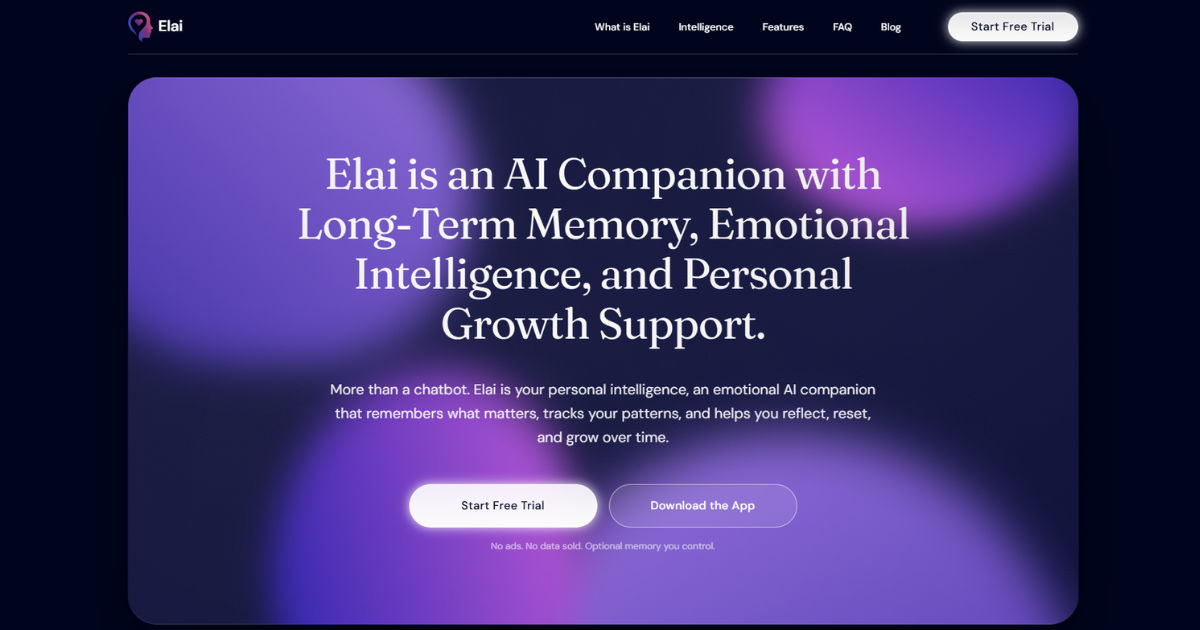 In this guide, we will explore how an AI friend actually works behind the scenes, how it understands language, and how it responds like a real person.
Today, an AI friend is not just a simple chatbot. It is powered by advanced artificial intelligence models that learn from large amounts of data.
The goal of an AI friend is to create natural, meaningful conversations that feel human. Many users interact with an AI friend for study help, emotional support, or casual chatting.
This article will explain step-by-step how an AI friend conversational AI works, using simple language suitable for 12th-grade students. By the end, you will clearly understand how an AI friend is built and why it feels so realistic.
What is an AI Friend Conversational AI?
An AI friend is a software-based conversational system designed to talk like a human. The core idea of an AI friend is to simulate friendship and communication using artificial intelligence.
An AI friend uses Natural Language Processing (NLP), machine learning, and deep learning models to understand user messages. When you type something, the AI friend analyzes your words, understands meaning, and generates a response.
Unlike traditional chatbots, an AI friend does not rely only on fixed answers. Instead, an AI friend creates dynamic responses based on context and past interactions.
The purpose of an AI friend is to make communication feel natural, supportive, and engaging. Many modern platforms are built around the idea of an AI friend to improve user experience.
Core Technology Behind AI Friend Conversational AI
To understand how an AI friend works, we need to explore the main technologies behind it.
Natural Language Processing (NLP)
NLP is the foundation of an AI friend. It helps the system understand human language.
An AI friend uses NLP to:
- Break sentences into words
- Understand grammar
- Detect meaning
- Identify user intent
Without NLP, an AI friend would not understand what you are saying.
Machine Learning
Machine learning allows an AI friend to learn from data. Every time users interact with an AI friend, the system improves its responses.
An AI friend learns:
- Common conversation patterns
- User preferences
- Language variations
This makes an AI friend smarter over time.
Deep Learning Models
Deep learning is a more advanced part of machine learning. An AI friend uses neural networks to process complex language structures.
These models help an AI friend:
- Understand context
- Predict next words
- Generate human-like replies
How AI Friend Understands Human Language
When you talk to an AI friend, the system goes through several steps to understand your message.
Step 1: Input Processing
You send a message to the AI friend. The system receives the text and prepares it for analysis.
Step 2: Tokenization
The AI friend breaks your sentence into smaller parts called tokens. For example, words or phrases.
Step 3: Intent Recognition
The AI friend identifies what you want. Are you asking a question? Sharing feelings? Requesting help?
Step 4: Context Analysis
An AI friend checks previous conversations to understand the full meaning.
This helps the AI friend respond more naturally.
Role of Large Language Models in AI Friend Systems
Modern AI friend systems are powered by Large Language Models (LLMs).
An AI friend uses these models to generate text based on probability. The system predicts what words should come next in a sentence.
An AI friend does not store fixed answers. Instead, it creates responses in real time.
These models are trained on billions of sentences, allowing an AI friend to understand many topics like:
- Education
- Emotions
- Science
- Daily life conversations
Memory and Personalization in AI Friend
One of the most important features of an AI friend is memory.
Short-Term Memory
An AI friend remembers what you said in the current conversation. This helps it maintain context.
Long-Term Memory
Some advanced AI friend systems remember past conversations. This allows personalization.
An AI friend can:
- Remember your name
- Recall your preferences
- Adjust tone based on your personality
This makes an AI friend feel more like a real companion.
How AI Friend Generates Responses
After understanding the input, an AI friend creates a response.
Step 1: Context Building
The AI friend combines current message and past data.
Step 2: Prediction
The AI friend predicts the most suitable response using probability models.
Step 3: Text Generation
The AI friend generates full sentences that sound natural.
Step 4: Filtering
The AI friend checks the response for safety, clarity, and appropriateness.
Emotional Simulation in AI Friend
An AI friend is designed to simulate emotions.
Although an AI friend does not feel emotions, it can recognize emotional patterns.
For example:
- If you are sad, the AI friend responds with comfort
- If you are happy, the AI friend responds positively
This emotional intelligence makes an AI friend feel more human-like.
Training Process of AI Friend Systems
To build an AI friend, developers train models using large datasets.
Data Collection
An AI friend is trained on:
- Books
- Websites
- Conversations
- Articles
Pre-training
The AI friend learns grammar, facts, and language patterns.
Fine-tuning
Developers refine the AI friend using human feedback.
RLHF (Reinforcement Learning from Human Feedback)
This step improves how an AI friend responds by learning from human corrections.
How AI Friend Understands Context
Context is very important for an AI friend.
Without context, conversations would feel robotic.
An AI friend tracks:
- Previous messages
- Topic changes
- User intent
This helps the AI friend maintain smooth conversation flow.
Safety and Ethical Filters in AI Friend
An AI friend includes safety systems.
These systems ensure:
- No harmful content
- No misinformation
- Respectful communication
An AI friend is programmed to avoid unsafe or inappropriate replies.
Real-Life Applications of AI Friend
An AI friend is used in many areas:
Education
Students use an AI friend for learning and homework help.
Mental Support
An AI friend provides emotional comfort.
Customer Service
Businesses use an AI friend to answer customer questions.
Entertainment
People use an AI friend for fun conversations.
Limitations of AI Friend Technology
Even though an AI friend is powerful, it has limitations:
- It does not truly understand emotions
- It may give incorrect answers
- It depends on training data
- It cannot think like humans
An AI friend is still improving every day.
Future of AI Friend Conversational AI
The future of an AI friend is very advanced.
We can expect:
- More realistic conversations
- Better emotional intelligence
- Stronger memory systems
- Voice-based interaction
- Virtual reality integration
An AI friend will become more natural and human-like in the future.
Step-by-Step Example of AI Friend Conversation
Let’s see how an AI friend works in a real chat:
User: “I feel stressed about exams.”
AI friend:
- Detects emotion (stress)
- Understands topic (exams)
- Uses memory (if available)
- Generates supportive response
The AI friend might reply:
“Don’t worry, I am here to help you. Let’s break your study into simple steps.”
This shows how an AI friend combines emotion, context, and language processing.
Why AI Friend Feels Human-Like
An AI friend feels human-like because it is designed to mimic human conversation patterns.
It uses:
- Natural language flow
- Emotional responses
- Context awareness
- Personalized interaction
These features make an AI friend feel like a real companion.
Conclusion
In conclusion, an AI friend conversational AI works through a combination of advanced technologies like NLP, machine learning, deep learning, and large language models. An AI friend understands human language, processes context, and generates natural responses in real time.
An AI friend does not think or feel like humans, but it simulates conversation in a very realistic way. Through memory systems, emotional recognition, and continuous learning, an AI friend becomes more helpful and personalized over time.
As technology improves, an AI friend will become even more advanced, offering deeper conversations and stronger emotional support. The future of an AI friend is expected to bring more human-like interaction into digital communication.
Overall, an AI friend represents one of the most exciting developments in artificial intelligence today, changing how people interact with machines.