In today’s digital world, information is everywhere. We capture notes with our phones, scan documents, and take screenshots of important details. This is where Picture to Text technology becomes incredibly useful. Picture to Text tools allow users to convert images containing written content into editable and searchable text within seconds.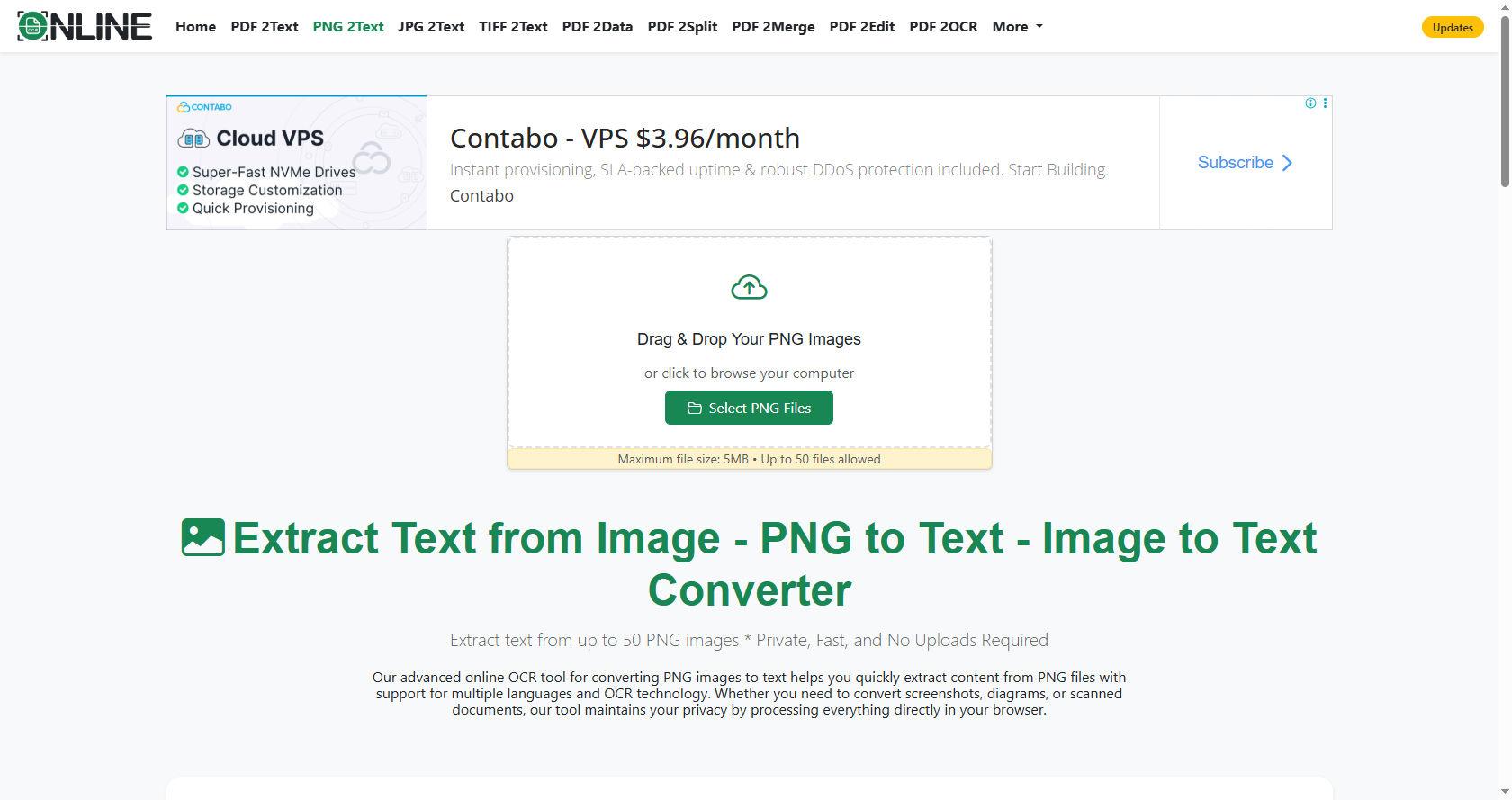
Picture to Text works through Optical Character Recognition, commonly known as OCR. Instead of manually typing everything from an image, Picture to Text software reads the characters in a photo and transforms them into digital text. This saves time, reduces effort, and improves productivity for students, professionals, and businesses.
With the rise of smartphones and digital devices, Picture to Text has become more accessible than ever. Whether it is a photo of classroom notes, a scanned contract, or a screenshot of an article, Picture to Text makes it easy to reuse and edit information without starting from scratch.
In this comprehensive guide, we will explore why Picture to Text tools are so helpful, how they work, their benefits, and how they can improve daily life and professional tasks.
What Is Picture to Text?
Picture to Text is a technology that converts printed or handwritten text from images into machine-readable text. It uses OCR algorithms to recognize letters, numbers, and symbols in a picture and transform them into editable content.
For example, imagine you take a picture of a page from a book. Without Picture to Text, you would need to type every word manually. With Picture to Text, the software scans the image and instantly provides the written content in digital form.
Picture to Text tools can work with:
-
Scanned documents
-
Photographs of notes
-
Screenshots
-
Printed books
-
Business cards
-
Receipts
This technology is widely used in schools, offices, banks, hospitals, and government institutions. Picture to Text simplifies document handling and makes information easier to manage.
How Picture to Text Works
Image Capture
The first step in Picture to Text is capturing the image. This can be done using a smartphone camera, scanner, or uploaded file. The quality of the image affects how accurately the Picture to Text tool can recognize characters.
Pre-Processing
Next, the software enhances the image. Picture to Text tools adjust brightness, contrast, and sharpness to make the text clearer. They may also remove background noise or shadows.
Character Recognition
This is the core of Picture to Text. The OCR engine analyzes patterns in the image and identifies letters and numbers. It compares these patterns to stored fonts and character shapes to determine the correct text.
Conversion to Editable Text
Finally, Picture to Text converts the recognized characters into digital text. Users can copy, edit, save, or share the content as needed.
The entire process takes only seconds, making Picture to Text one of the most efficient digital tools available today.
Major Benefits of Picture to Text Tools
Saves Time
One of the biggest advantages of Picture to Text is time-saving. Instead of typing long paragraphs manually, users can convert images into text instantly. Students can digitize class notes, and office workers can convert printed reports in minutes.
Improves Productivity
Picture to Text increases productivity by reducing repetitive tasks. Employees can focus on important work rather than data entry. Businesses that handle large amounts of paperwork benefit greatly from Picture to Text automation.
Reduces Human Errors
Manual typing often leads to spelling mistakes and skipped lines. Picture to Text minimizes these errors by accurately recognizing characters from images.
Easy Editing and Formatting
Once converted through Picture to Text, the text can be edited, formatted, and reorganized. Users can change fonts, correct grammar, or highlight key points easily.
Enhances Accessibility
Picture to Text also supports accessibility. Visually impaired users can convert printed materials into digital text and use text-to-speech software to listen to the content.
Why Students Need Picture to Text
Students deal with large amounts of written material. From textbooks to handwritten notes, managing information can be challenging. Picture to Text helps students in several ways.
First, students can take photos of board notes and convert them using Picture to Text. This ensures they do not miss important information.
Second, Picture to Text allows easy editing and organizing of study materials. Instead of rewriting notes, students can combine digital text into one document.
Third, research becomes easier. When students find useful information in books, Picture to Text enables them to extract quotes quickly without typing everything.
Picture to Text supports efficient learning and better time management for students.
How Businesses Benefit from Picture to Text
Businesses handle contracts, invoices, receipts, and forms daily. Managing physical documents can be overwhelming. Picture to Text simplifies document management.
Faster Data Entry
Instead of manually entering data from printed forms, companies can use Picture to Text to automate the process. This speeds up operations and reduces labor costs.
Better Record Keeping
Picture to Text allows organizations to digitize old records. Digital files are easier to search, store, and share compared to paper documents.
Improved Customer Service
With Picture to Text, businesses can quickly process customer forms and respond faster. This improves overall customer satisfaction.
Cost Efficiency
Printing and storing paper documents is expensive. By using Picture to Text, companies reduce paper usage and storage costs.
Everyday Uses of Picture to Text
Picture to Text is not limited to schools and offices. It is useful in daily life as well.
You can use Picture to Text to:
-
Save recipes from cookbooks
-
Copy contact details from business cards
-
Convert handwritten journals into digital format
-
Extract text from posters and advertisements
-
Translate foreign language text
Picture to Text makes everyday tasks more convenient and organized.
Picture to Text and Digital Transformation
We live in a digital age where information moves quickly. Picture to Text plays an important role in digital transformation.
Organizations aiming to become paperless rely on Picture to Text to convert physical documents into digital archives. Governments use Picture to Text to digitize historical records. Libraries apply Picture to Text to preserve books and manuscripts.
Without Picture to Text, the process of digitization would be slow and expensive. This technology supports the global shift toward efficient digital systems.
Accuracy and Advancements in Picture to Text
Early OCR systems were not very accurate. However, modern Picture to Text tools use artificial intelligence and machine learning to improve accuracy.
Today, Picture to Text can recognize multiple fonts, handwriting styles, and even different languages. Advanced algorithms allow Picture to Text to learn from corrections and improve over time.
Cloud-based Picture to Text tools also offer faster processing and higher reliability. As technology continues to evolve, Picture to Text will become even more precise and powerful.
Security and Privacy Considerations
When using Picture to Text, it is important to consider data security. Many tools offer encryption to protect sensitive documents.
Businesses dealing with confidential information should choose secure Picture to Text platforms. This ensures that scanned contracts, financial documents, and personal data remain protected.
Reliable Picture to Text services follow strict privacy policies and data protection standards.
Choosing the Right Picture to Text Tool
Not all Picture to Text tools are the same. When selecting a tool, consider the following factors:
Accuracy Rate
A good Picture to Text tool should have high recognition accuracy. Look for tools that support clear text extraction with minimal errors.
Language Support
If you work with multiple languages, choose a Picture to Text solution that offers multilingual recognition.
File Compatibility
The best Picture to Text tools support various formats such as JPG, PNG, PDF, and TIFF.
Speed and Performance
Fast processing is essential. A reliable Picture to Text application should convert images quickly without delays.
User-Friendly Interface
Ease of use matters. A simple and clear interface makes Picture to Text accessible even for beginners.
Challenges of Picture to Text
Although Picture to Text offers many advantages, there are some limitations.
Low-quality images may reduce accuracy. Blurry photos or poor lighting can make it harder for Picture to Text to recognize characters.
Handwritten text can also be challenging. While modern Picture to Text tools handle handwriting better than before, results may vary depending on writing style.
Despite these challenges, continuous improvements are making Picture to Text more reliable each year.
Future of Picture to Text Technology
The future of Picture to Text looks promising. Artificial intelligence will continue to enhance character recognition and language processing.
In the coming years, Picture to Text may integrate more deeply with translation tools, voice assistants, and automation systems. Imagine taking a photo of foreign text and instantly receiving translated, editable content through Picture to Text.
Mobile apps will likely become more advanced, allowing real-time Picture to Text conversion through camera view.
As technology grows, Picture to Text will remain an essential tool for education, business, and personal use.
Comprehensive Guide to Using Picture to Text Effectively
To get the best results from Picture to Text, follow these simple tips:
-
Use clear and well-lit images.
-
Avoid shadows and tilted angles.
-
Ensure the text is sharp and readable.
-
Review and correct minor errors after conversion.
-
Choose trusted Picture to Text platforms.
By following these steps, users can maximize the benefits of Picture to Text and achieve accurate results.
Conclusion
Picture to Text technology has transformed the way we handle written information. From saving time to improving productivity, the benefits of Picture to Text are clear and impactful.
Students use Picture to Text to organize notes and study materials. Businesses rely on Picture to Text to automate data entry and manage documents efficiently. Individuals use Picture to Text for everyday tasks like saving recipes or copying important information.
As digital transformation continues worldwide, Picture to Text will play an even bigger role in converting physical documents into usable digital content. Advances in artificial intelligence are making Picture to Text faster, smarter, and more accurate.
While there are minor challenges such as image quality and handwriting recognition, the overall advantages of Picture to Text far outweigh the limitations. It simplifies work, reduces errors, enhances accessibility, and supports a paperless environment.
In conclusion, Picture to Text is not just a convenient tool. It is an essential technology for modern life. Whether you are a student, professional, or everyday user, adopting Picture to Text can significantly improve efficiency and organization. As we move further into the digital age, Picture to Text will continue to shape how we capture, store, and use information.
About the Author