If you have ever visited Mirchili Karachi, you know that the aroma of freshly made dosas fills the air, inviting you to try one of the most iconic South Indian dishes. Set dosa is a special type of dosa that stands out for its soft, fluffy texture and multiple layers.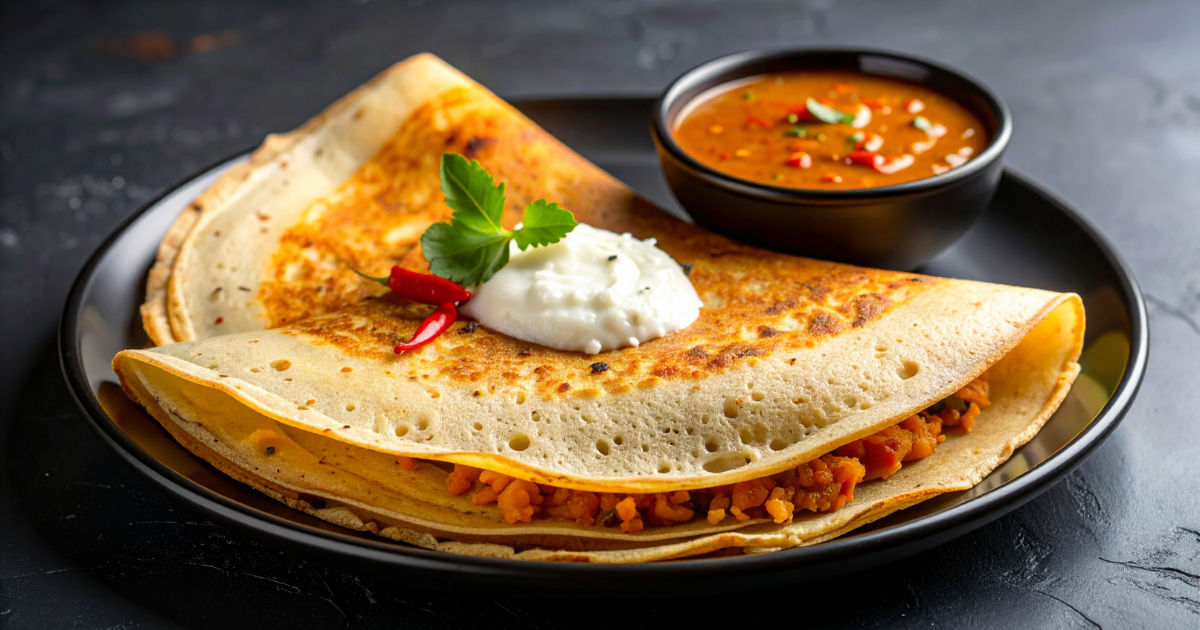
Unlike traditional thin dosas, set dosas are thick, spongy, and usually served in a set of three. They are a comfort food that has gained immense popularity, not only in South India but also in cities like Karachi, where food lovers from all walks of life gather to enjoy authentic flavors.
Set dosa is more than just a breakfast item; it’s a culinary experience. The way it is prepared, served, and paired with accompaniments can make or break the meal. In this guide, we will explore everything you need to know about set dosa—from batter preparation to the best pairings and tips to enjoy it like a pro.
Understanding Set Dosa
Set dosa differs from regular dosas in several ways. While the classic dosa is thin, crispy, and often served with chutney or sambar, set dosa is soft, fluffy, and stacked in layers. The thickness and texture make it perfect for soaking up the rich flavors of chutneys, sambar, and spicy curries.
One of the key factors behind the softness of set dosa is the fermentation process of the batter. The batter typically consists of rice, urad dal (split black gram), and a little fenugreek seeds for flavor and texture. The fermentation allows the batter to rise and develop a slight tanginess, which adds depth to the flavor.
At Mirchili Karachi, set dosa has become a signature dish. Food enthusiasts flock here because of the consistency and the perfect softness that every dosa maintains. The batter is carefully fermented, the griddle temperature is controlled, and the presentation is always appealing, making it a top choice for breakfast or a light dinner.
Ingredients for Perfect Set Dosa
To make soft and fluffy set dosa at home, you need the following ingredients:
-
2 cups of rice (preferably sona masoori or idli rice)
-
1 cup of urad dal (split black gram)
-
2 tablespoons of poha (flattened rice)
-
1 teaspoon of fenugreek seeds
-
Salt to taste
-
Water for grinding
The addition of poha is crucial because it enhances the softness of the dosa and improves fermentation. Fenugreek seeds add a subtle aroma and help in getting that spongy texture. Proper measurement and soaking of ingredients are important to ensure that your set dosa comes out fluffy and layered.
Step-by-Step Batter Preparation
-
Soaking: Soak the rice, urad dal, poha, and fenugreek seeds separately for 4–6 hours. This softens the grains and makes grinding easier.
-
Grinding: Grind the soaked urad dal into a smooth paste using minimal water. Grind the rice and poha together to a slightly coarse consistency.
-
Mixing: Combine the urad dal paste and rice-poha mixture in a large bowl. Mix well to incorporate air, which helps in fermentation.
-
Fermentation: Cover the batter and leave it in a warm place for 8–12 hours. The batter should rise and become airy, which is key to making soft set dosas.
-
Adding Salt: After fermentation, add salt and mix gently. The batter is now ready for cooking.
Following these steps carefully ensures that every set dosa comes out soft, spongy, and perfectly layered.
Cooking the Perfect Set Dosa
Cooking set dosa requires a hot griddle and a little practice. Here’s how to do it:
-
Heating the Griddle: Preheat a non-stick tawa or cast-iron griddle. Apply a few drops of oil and wipe off excess with a tissue.
-
Pouring Batter: Pour a ladleful of batter onto the griddle. Unlike thin dosas, spread it lightly, keeping it thick.
-
Cooking: Cover the dosa with a lid and cook on low heat. This allows the dosa to steam, resulting in a soft, fluffy texture.
-
Serving: Once cooked, serve immediately in a set of 2–3 stacked dosas. Do not overcook as it can dry out the layers.
Mirchili Karachi uses this method to ensure uniform softness and appealing layers in every set dosa served.
Best Pairings for Set Dosa
Set dosa is versatile and pairs well with a variety of accompaniments. Here are some of the most popular options:
Coconut Chutney
Coconut chutney is the classic pairing. Made from freshly grated coconut, green chilies, and roasted chana dal, it adds a refreshing taste that balances the richness of the dosa. A hint of ginger and curry leaves enhances the aroma, making each bite delightful.
Sambar
Sambar, a spicy lentil-based vegetable stew, is another favorite. Its tangy and spicy notes soak into the soft layers of the dosa, creating a flavorful experience. Adding vegetables like drumsticks, carrots, and beans makes it more wholesome.
Tomato Chutney
Tomato chutney offers a tangy alternative. Roasted tomatoes, onions, and red chilies give it a bold flavor that contrasts beautifully with the mild taste of set dosa.
Potato Masala
Potato masala is a staple for those who enjoy a hearty breakfast. Boiled potatoes mashed with onions, green chilies, turmeric, and curry leaves make a perfect filling or side dish for set dosa.
Spicy Peanut Chutney
For a nutty twist, peanut chutney adds depth and spice. It’s slightly thick, which clings perfectly to the soft layers of the dosa.
Cheese and Veg Toppings
Modern variations include adding grated cheese, bell peppers, and onions. These toppings melt slightly on the warm dosa, creating a fusion experience that is both satisfying and delicious.
Tips for Eating Set Dosa
To fully enjoy set dosa, consider these tips:
-
Eat immediately after cooking for maximum softness.
-
Use your fingers to tear pieces and dip in chutneys or sambar. This is traditional and enhances the experience.
-
Pair with a hot cup of South Indian filter coffee or masala chai for an authentic meal.
-
Experiment with combinations of chutneys and masala to find your favorite pairing.
At Mirchili Karachi, these tips are applied naturally, making the dining experience enjoyable for both locals and tourists.
Variations of Set Dosa
Over the years, chefs have introduced variations to set dosa while keeping the core softness intact.
Rava Set Dosa
Made with semolina instead of rice, rava set dosa is slightly grainy but retains a soft texture. It cooks faster and is a great alternative for those short on time.
Paneer Stuffed Set Dosa
Adding paneer with mild spices creates a protein-rich version. It’s ideal for those who want a filling meal.
Vegetable Set Dosa
Grated vegetables like carrots, zucchini, and spinach can be added to the batter for a healthy twist. The layers stay soft, and the dosa becomes colorful and nutritious.
Cheese and Corn Set Dosa
A modern favorite, combining sweet corn and cheese, adds texture and flavor. It’s popular among teenagers and young adults who enjoy experimenting with traditional dishes.
Health Benefits of Set Dosa
Set dosa is not only delicious but also offers several health benefits:
-
Protein-Rich: Urad dal in the batter is a good source of protein.
-
Digestive Aid: Fermentation produces probiotics, which help with digestion.
-
Low Fat: When cooked with minimal oil, set dosa is a low-fat meal option.
-
Gluten-Free: Made from rice and lentils, it’s naturally gluten-free.
Including set dosa in your diet, especially with vegetable-based chutneys or sambar, can provide a balanced, nutritious meal.
Common Mistakes While Making Set Dosa
Even experienced cooks can face challenges while making set dosa. Here are common mistakes to avoid:
-
Under-fermentation: Leads to dense and hard dosas. Always allow sufficient time for the batter to ferment.
-
Overcooking: Can dry out the layers. Cook on low heat and cover the dosa for steam.
-
Wrong Griddle Temperature: Too hot, and the dosa burns; too cold, and it remains uncooked. Medium heat is ideal.
-
Incorrect Batter Consistency: Too thick or too thin batter can ruin the softness. Aim for a pouring consistency similar to pancake batter.
Set Dosa Experience at Mirchili Karachi
Mirchili Karachi is known for serving some of the best set dosas in the city. The restaurant takes pride in maintaining traditional methods while adapting to modern preferences. The batter is fermented perfectly, the dosas are steamed just right, and the accompaniments are always fresh and flavorful.
Visitors often comment on the soft layers, perfect texture, and ideal portion size of the set dosa served here. Whether you prefer classic coconut chutney or a fusion topping like cheese and corn, Mirchili Karachi ensures a consistent and satisfying experience.
Tips for Making Restaurant-Style Set Dosa at Home
-
Use a Non-Stick Tawa: This helps in cooking dosas evenly without sticking.
-
Cover While Cooking: Traps steam and keeps layers soft.
-
Maintain Medium Heat: Avoid high heat, which can harden the dosa.
-
Serve Immediately: Softness diminishes if the dosa sits too long.
-
Experiment with Batter Fermentation: Slightly longer fermentation can enhance tanginess and fluffiness.
Following these tips can help recreate the Mirchili Karachi experience at home, bringing soft layered set dosa to your kitchen.
Conclusion
Set dosa is more than just a dish; it’s a culinary tradition that blends texture, flavor, and comfort. Its soft, spongy layers make it a unique experience, whether paired with classic coconut chutney, tangy sambar, or innovative toppings like cheese and vegetables. The fermentation of the batter, proper cooking technique, and careful pairing are what make set dosa stand out.
For food lovers in Karachi, Mirchili Karachi is the go-to destination for enjoying authentic set dosa. The attention to detail in batter preparation, steaming technique, and accompaniments ensures every bite is memorable. Whether you are a beginner trying to make set dosa at home or a foodie exploring the city’s culinary gems, set dosa offers a delightful and satisfying experience.
Soft, layered, and flavorful—set dosa is truly a dish worth savoring, and learning to make it opens a world of culinary possibilities.
About the Author